Global Palate Reactions & Official English Culinary Nomenclature
Decoding Sensory Friction, Standardizing Bilingual Menus, and Navigating Global Sesame Allergen Laws as Reganmian Goes Worldwide
An ethnographic and regulatory guide to Wuhan Reganmian on the world stage—examining how international diners experience high-viscosity roasted sesame paste, codifying authoritative English translations under GB/T 30240, and detailing mandatory sesame/peanut labeling under the 2023 U.S. FASTER Act.
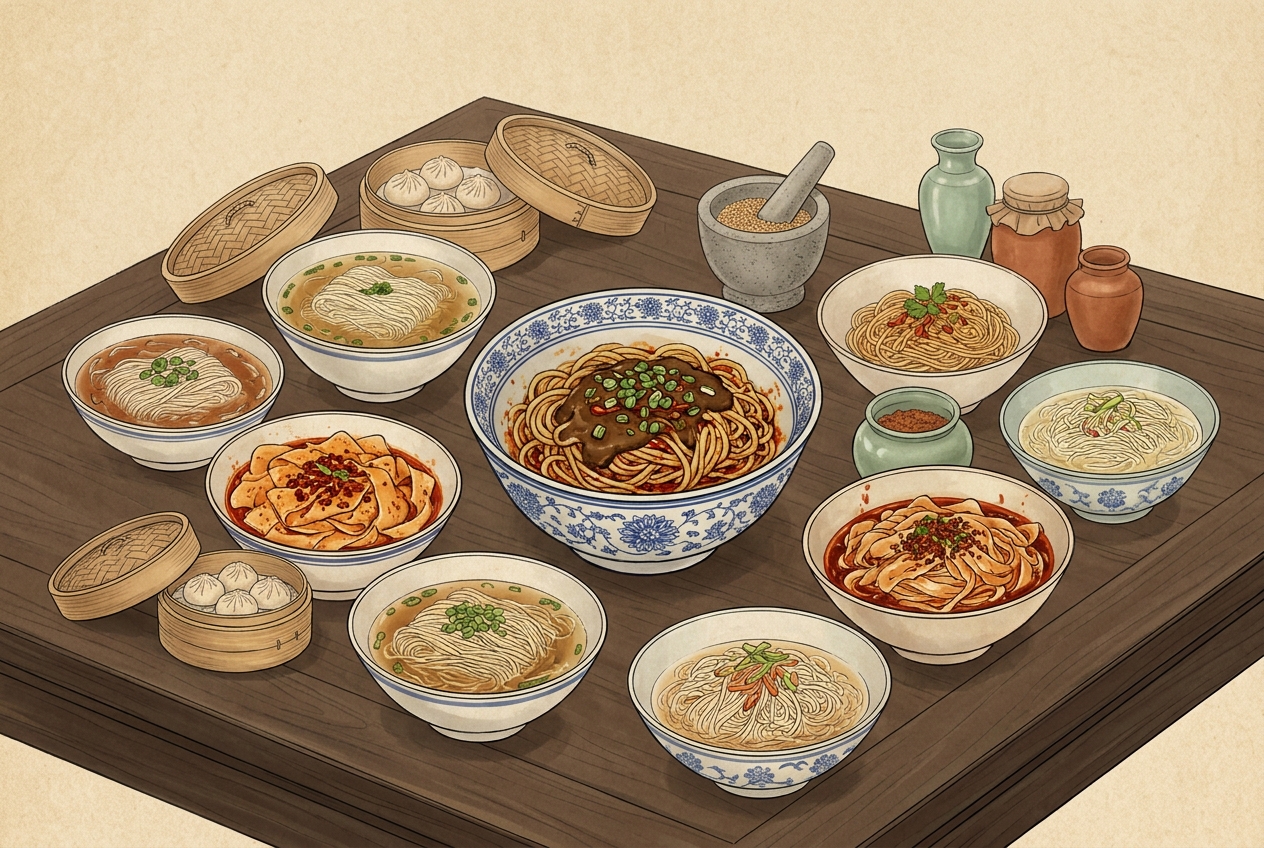
First Contact on the Global Tongue: Delight, Viscosity, and the Two-Minute Trap
Hand a steaming paper bowl of authentic Wuhan Reganmian to a first-time visitor from Milan, Chicago, or Osaka on a brisk Hankou morning, and you witness a fascinating cross-cultural sensory stress test.
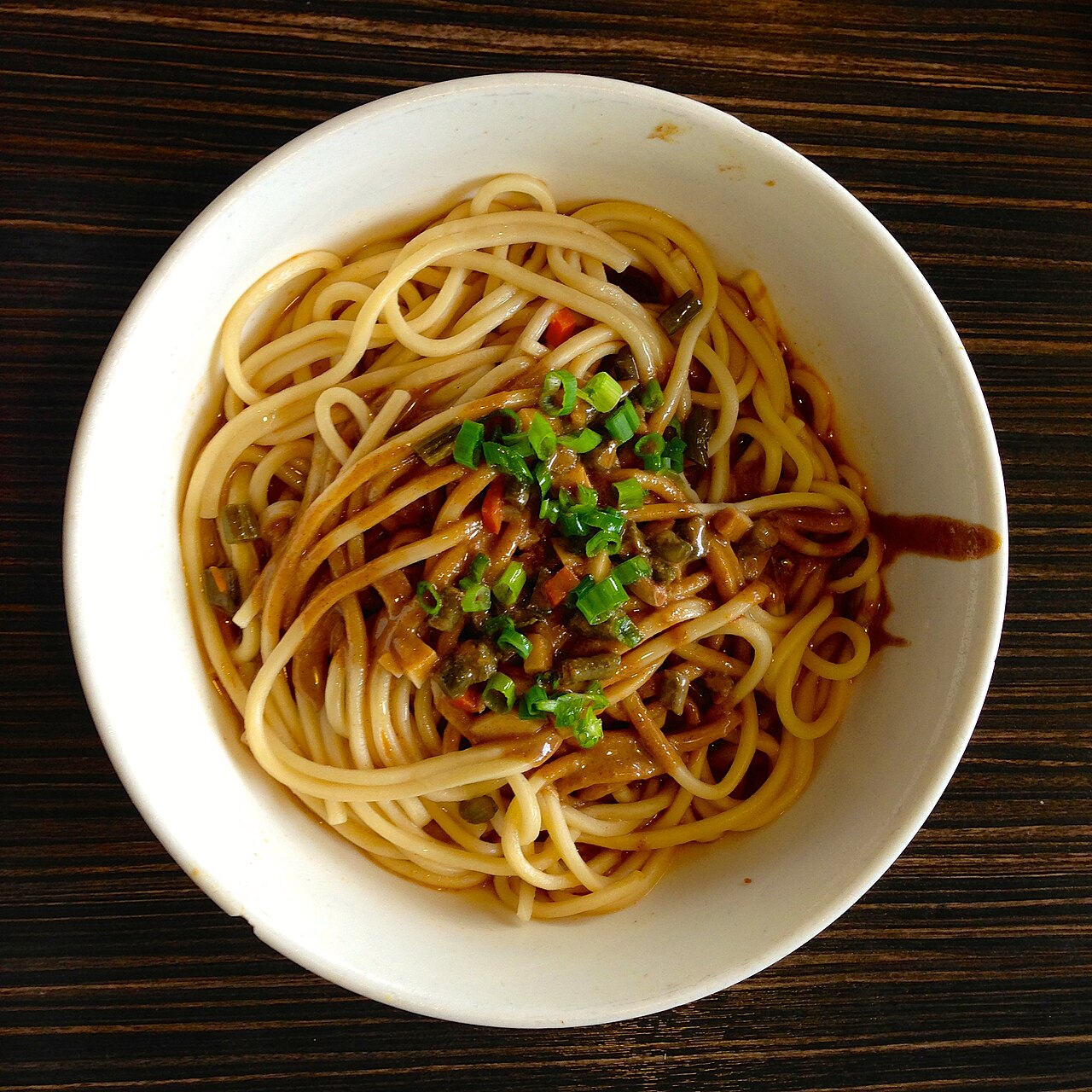
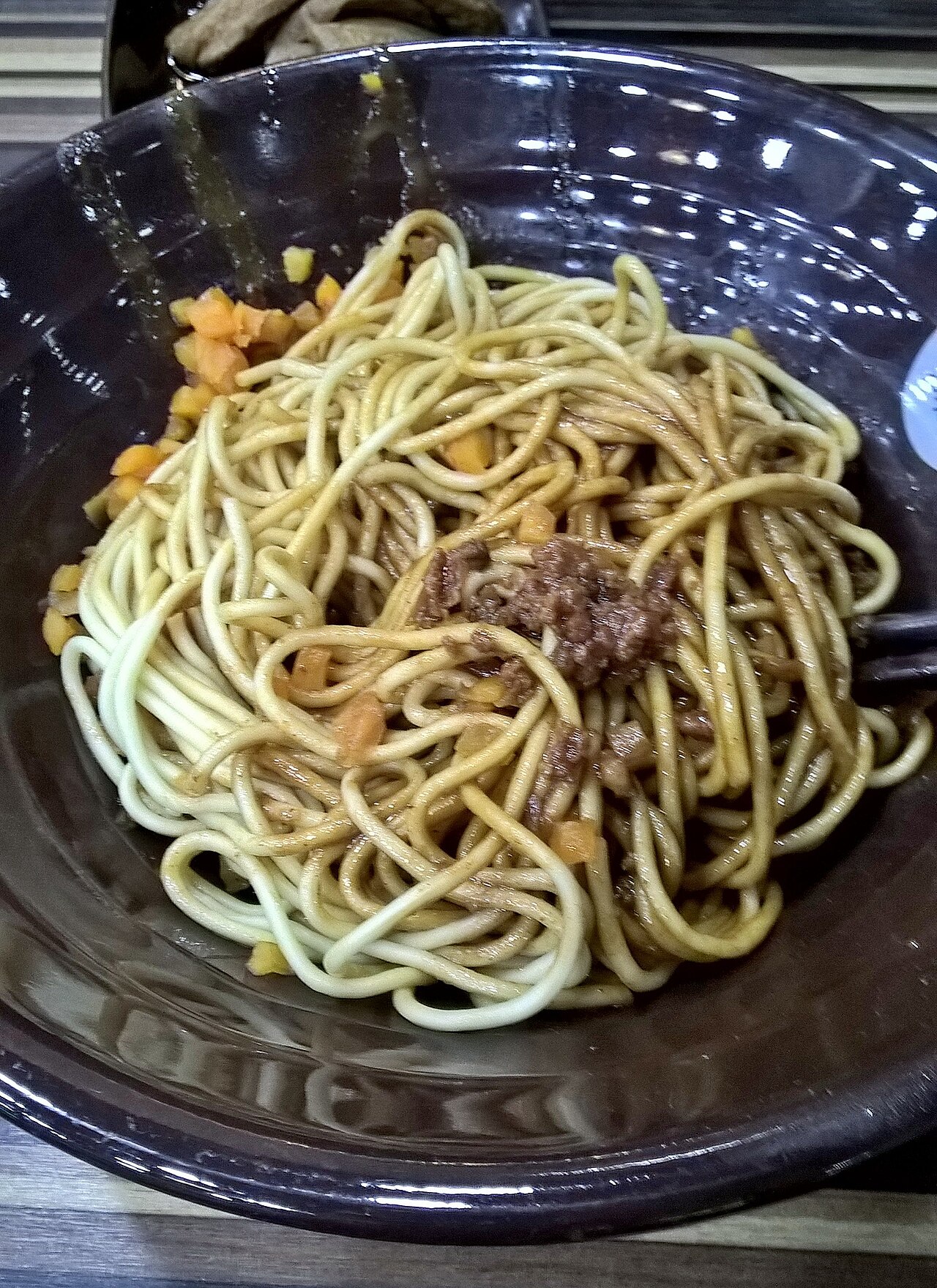
Unlike clear-broth Cantonese wonton soup or sweet-savory Shanghainese braised pork, Reganmian makes zero compromises for timid palates. It arrives scalding hot, unapologetically brothless, and crowned with a dark, brooding dollop of stone-ground sesame paste, pungent raw garlic water, ten-spice soy reduction, and lacto-fermented vegetables. Across decades of culinary tours, diplomatic showcases, and overseas restaurant openings from Flushing to Bloomsbury, international tasters reliably pass through three distinct sensory stages:
- The Roasted-Pyrazine Revelation: Diners accustomed only to Middle Eastern tahini—typically milled from hulled, unroasted or lightly warmed seeds with a pale ivory color and grassy astringency—are floored by the aroma of Chinese zhimajiang. Because Hubei white sesame seeds are slow-roasted before hitting cool millstones, Maillard reactions flood the paste with nutty pyrazines and caramel-like furans. Food writers from Fuchsia Dunlop to Serious Eats and The New York Times routinely reach for comparisons like “Wuhan’s Sesame Carbonara” or “an adult, savory apotheosis of peanut-butter noodles.”
- Rheological Shock & The “Instagram Delay”: Friction, when it occurs, is almost never about flavor—it is about oral viscosity and timing. Reganmian’s sauce boasts one of the highest apparent viscosities in global noodle cookery. Local Wuhan commuters instinctively begin cross-lifting with chopsticks (shizi banmian) within five seconds of receiving the bowl, while the noodles are still above 75°C and the oil-thinned paste flows effortlessly. Uninitiated foreign diners, however, often spend two to three minutes snapping smartphone photos, admiring toppings, or chatting before mixing. By minute three, surface heat dissipates, sesame oil viscosity climbs, and retrograded alkaline wheat strands weld together into a dense, throat-clinging mass—especially if the diner didn’t know to order Wuhan’s essential liquid foil: a bowl of velvety sweet Danjiu (egg rice wine) or chilled sour-plum brew.
- The Acid-Crunch Awakening: Once coached to toss immediately and catch two cubes of sun-wilted Huangpi pickled radish and sour fermented cowpeas on every bite, skepticism evaporates. Just as sharp French cornichons slice through rich duck rillettes, those lacto-fermented pickles detonate bursts of bright acidity across the sesame coat, turning potential heaviness into addictive momentum.
“In English, ‘dry’ can sound like a culinary apology; in Wuhan, ‘gan’ is a badge of honor—meaning zero watery dilution standing between toasted sesame and springy wheat.”
Taming Chinglish: Standardizing English Nomenclature for Reganmian
For thirty years, badly translated street signs and delivery apps did Wuhan’s flagship dish few favors. Literal word-for-word renderings like “Hot and Dry Noodle” made the dish sound parched and spicy at the same time; “Wuhan Fried Dry Noodles” falsely implied wok stir-frying; “Tahini Cold Noodles” got both the seed preparation and the serving temperature wrong.
Guided by China’s national standard GB/T 30240 (Guidelines for the Use of English in Public Service Areas) and official culinary lexicons issued by the Wuhan Municipal Foreign Affairs Office, modern gastronomic translation follows a two-tier architecture that balances cultural sovereignty with instant menu clarity:
- Primary Dish Title:
Wuhan Reganmian (Hot Dry Noodles)— Look at how Ramen, Udon, Pho, and Pad Thai conquered global menus: none survived as awkward English descriptions (“Japanese alkaline broth noodles”); all entered global vocabulary as proud romanized proper nouns backed by a brief explanation. Elevating Reganmian (one word, capitalized) alongside the crisp modifier Hot Dry Noodles (omitting the clunky conjunction and) establishes an unmistakable international identity. - Gold-Standard Menu Subtitle: Beneath the heading, international restaurants should print a sensory-rich culinary gloss:
Springy alkaline wheat noodles blanched to order and tossed in stone-ground roasted white sesame paste, ten-spice soy reduction, garlic water, and crunchy pickled long beans.
Standardized Bilingual Lexicon for Menus & Culinary Media
| Chinese Term | Authoritative English Rendering | Menu & Editorial Usage Note | Mistranslations to Retire |
|---|---|---|---|
| 武汉热干面 | Wuhan Reganmian (Hot Dry Noodles) | Primary dish title for menus, packaging & journalism | Hot and Dry Noodle / Dry-Fried Noodle |
| 过早 | Guozao (Wuhan Morning Feast) | Italicize Guozao on first mention as cultural noun | Pass Early / Morning Passing |
| 碱水面 | Alkaline Wheat Noodles (Jianshuimian) | Clarifies eggless golden hue & bouncy gluten snap | Lye Chemical Pasta / Soda Noodles |
| 掸面 | Danmian (Parboil & Oil-Fan Craft) | Wuhan’s signature two-stage pre-cooking method | Dusting Noodles / Broom Noodles |
| 石磨白芝麻酱 | Stone-Ground Roasted White Sesame Paste | Distinguishes toasted Chinese zhimajiang from raw tahini | Sesame Jam / Tahini Butter |
| 十香卤水 | Ten-Spice Soy Reduction (Lushui) | Conveys aromatic spiced umami rather than salt brine | Pickle Brine / Salty Water |
| 黄陂萝卜丁 | Crisp Spiced Radish Dices | Highlights sun-wilted crunch rather than soft turnip | Dried Turnip Chunks |
| 老坛酸豆角 | Crock-Fermented Sour Cowpeas (Long Beans) | Accurately names Vigna unguiculata subsp. sesquipedalis | Sour Green Peas / Acid Beans |
| 生烫牛肉热干面 | Reganmian with Flash-Blanched Tender Beef | Conveys 15-second poaching of fresh sliced beef | Raw Scalded Cow Dry Noodles |
| 冲蛋酒 | Danjiu (Sweet Egg & Fermented Rice Wine) | Notes gentle ~1% ABV sweet rice brew with egg ribbons | Boiling Egg Liquor |
Global Food-Safety Compliance: The 2023 U.S. FASTER Act & Allergen Law
As packaged Hubei Reganmian surges into North American, European, and Australian supermarkets—and Wuhan noodle bars open near university campuses worldwide—translation accuracy intersects directly with federal food-safety law.
For decades, sesame occupied a dangerous regulatory blind spot in the United States: despite triggering severe IgE-mediated anaphylaxis comparable to tree nuts, sesame could legally hide inside vague label terms like “natural flavors” or “spices.” That changed permanently on January 1, 2023, when the U.S. Food Allergy Safety, Treatment, Education, and Research (FASTER) Act took full legal effect, enshrining Sesame as the 9th Major U.S. Food Allergen—aligning American law with European Union Regulation (EU) No 1169/2011, the UK’s Natasha’s Law, Health Canada, and Food Standards Australia New Zealand.
Every exporter, chef, and menu designer bringing Reganmian abroad must enforce three non-negotiable protocols:
- Triple Baseline Declaration: Every classic bowl must carry an explicit allergen statement:
Contains: Wheat (Gluten), Sesame, and Soy.Note that under the FASTER Act, both stone-ground sesame paste and pressed sesame oil require sesame allergen disclosure. - The Peanut Red Line (
Erba JiangDisclosure): While traditional Wuhan purists use 100% white sesame paste, many commercial sauce suppliers and northern-influenced kitchens blend 10% to 20% roasted peanut paste (Erba Jiang) for sweetness and smoothness. In Western dining rooms where peanut allergies can prove fatal in trace microgram amounts, any presence of peanut paste—or shared milling equipment—must be emblazoned in bold type (CONTAINS: PEANUTS). - Tabletop Hospitality Cards: Today’s sharpest overseas Reganmian shops pair compliance with warmth—placing a illustrated bilingual card at every seat showing the 10-Second Cross-Toss Technique alongside a pairing note for sweet Danjiu or iced plum tea. Clear language, honest allergen stewardship, and ten-second kinetic joy: that is how a 1930s Hankou wharf staple becomes a citizen of the world’s table.
- National Standard of the PRC: GB/T 30240.3 Guidelines for the Use of English in Public Service Areas — Tourism & Catering
- Wuhan Municipal Foreign Affairs Office: Official Bilingual Lexicon of Classic Wuhan Cuisine
- U.S. Food and Drug Administration (FDA): Food Allergy Safety, Treatment, Education, and Research (FASTER) Act Implementation Guide (2023)
❓ Frequently Asked Questions
Should English menus call the dish 'Hot Dry Noodles', 'Hot and Dry Noodles', or 'Reganmian'?
Following China’s national GB/T 30240 translation guidelines and Wuhan Foreign Affairs Office standards, the gold-standard menu heading is 'Wuhan Reganmian (Hot Dry Noodles)'. Avoid 'Hot and Dry Noodles', where 'dry' sounds unintentionally unappetizing (like stale bread) and 'hot' can imply capsaicin heat rather than serving temperature. Pairing the Pinyin proper noun 'Reganmian' with a vivid subtitle builds lasting global brand recognition.
Why is Chinese sesame paste (Zhimajiang) so different from Mediterranean tahini to foreign palates?
Middle Eastern tahini is typically milled from hulled, raw or very lightly toasted sesame seeds, yielding a pale,fluid, slightly grassy bitterness. Wuhan’s zhimajiang roasts whole white sesame seeds at ~130°C before stone-grinding, unlocking intense Maillard pyrazines and furans closer in aromatic warmth to dark-roasted peanut butter or espresso.
What allergen disclosures are legally required when serving or exporting Reganmian internationally?
Every authentic bowl contains Wheat (Gluten), Sesame, and Soy. Under EU Regulation 1169/2011, UK Natasha’s Law, ANZFA standards, and the U.S. FASTER Act (effective January 1, 2023), Sesame must be explicitly declared as a major allergen. Critically, if a kitchen blends any peanut butter into its sesame sauce ('Erba' style), Peanuts must be boldly flagged to prevent life-threatening anaphylaxis.
✦ Cross-Referenced Chapters
Global Footprint: Overseas Reganmian Shops Worldwide
Tracking Wuhan noodle stalls from Flushing and Los Angeles to London, Sydney, Melbourne, Tokyo, and Singapore.
Guidance for Special Diets & Allergen Warnings
Tailored advice for endurance athletes, sensitive stomachs, sodium-restricted diets, and sesame/peanut/gluten allergies.
Global Export Surge: Hubei Packaged Reganmian Abroad
Customs export trends, international supermarket distribution, and cross-border e-commerce growth across four continents.
Global Brothless Noodles: Reganmian Meets Cacio e Pepe & Abura Soba
Cross-cultural culinary physics connecting Wuhan sesame emulsion with Roman Cacio e Pepe, Indonesian Mie Goreng, and Tokyo Abura Soba.
Standardized Chinese-English Reganmian Culinary Lexicon
Over 60 standardized bilingual entries covering noodle techniques, condiments, traditional utensils, Guozao companions, and Wuhan slang.