Global Export Surge: Hubei Packaged Reganmian Abroad
How Plant-Based Quarantine Advantages, Customs Facilitation, and Asian Supermarkets Took Wuhan Noodles Worldwide
Tracking the global trade expansion of packaged Wuhan Reganmian across more than 20 countries—examining Wuhan Customs export facilitation, why meat-free classic formulas breeze past USDA/Australian biosecurity gates, US FASTER Act sesame allergen rules, and overseas flagship stores.

From Checked Suitcases to Global Supermarket Aisles
In the early 2000s, any Wuhan student boarding an international flight out of Tianhe Airport packed a predictable survival kit wedged between winter coats: three paper-wrapped bundles of dried alkaline noodles and a taped glass jar of sesame paste. Customs officers in Los Angeles or Heathrow routinely held those dense brown jars up to the light in puzzlement. Today, no suitcase smuggling is required. Step into a 99 Ranch Market in California, a T&T Supermarket in Toronto, Tong Li in Sydney, or digital aisles on Weee! and Yami, and stacks of Dahankou (Hankou Style Noodle), Cai Lin Ji, Baixiang, and Xiangnian rank among the fastest-moving pantry staples in the Asian grocery sector.
“Westward by steel rail from Wujiashan, eastward by river barge from Yangluo Port—the roasted perfume of Hubei white sesame now crosses every ocean intact.”
Backed by automated non-fried dehydration, fresh-lock pasteurization, and targeted export facilitation from Wuhan Customs (especially Hankou Customs, which oversees the massive Dongxihu food-processing hub), Hubei’s packaged Reganmian now ships continuously to more than twenty countries and regions, spanning the United States, Canada, the United Kingdom, the European Union, Australia, New Zealand, Japan, South Korea, Singapore, and Malaysia. Containers roll directly onto China-Europe Railway Express freight trains in Dongxihu or sail down the Yangtze from Yangluo Port to transoceanic vessels in Shanghai.
The Compliance Playbook: Why Plain Reganmian Wins at Customs
Taking a regional street noodle through First-World food-safety checkpoints requires far more than printing an English sticker. As Chinese regional noodles raced overseas post-2020, Wuhan Reganmian discovered an unexpected structural superpower—while simultaneously mastering three formidable regulatory hurdles.
1. The 100% Plant-Based Quarantine Advantage
When Liuzhou Luosifen (river-snail rice noodles simmered in pork bone broth) or Lanzhou beef noodles attempted formal container exports to North America, Europe, and Oceania, they collided head-on with strict USDA, EU, and Australian DAFF bans on mainland pork, beef, and poultry tallow—forcing brands to reformulate artificial meat-free export versions that disappointed purists. Classic Wuhan Reganmian needed zero reformulation. Built solely from high-gluten alkaline wheat, pure roasted sesame paste, small-mill sesame oil, brewed soy broth, and fermented radish/cowpea dices, the original Hankou masterpiece is inherently 100% plant-based (vegan). What satisfied dockworkers in 1930s Wuhan effortlessly clears modern biosecurity inspections—and doubles as a clean-label vegan selling point for Western shoppers.
2. Conquering Ultra-Strict Mycotoxin & Residue Ceilings
Oilseeds grown in warm climates face intense scrutiny from European and Japanese border labs for aflatoxins and agrochemical residues. The European Union enforces a razor-thin ceiling of 2.0 μg/kg (ppb) for Aflatoxin B₁ in direct-consumption sesame products, alongside zero-tolerance bans on ethylene oxide sterilization. Leading Hubei exporters responded by establishing dedicated, traceable sesame-farming bases in Xiangyang and Jingmen, deploying optical color-sorters to eject discolored seeds prior to roasting, and running batch-by-batch LC-MS/MS laboratory verification under HACCP and ISO 22000 certifications.
3. Navigating the US FASTER Act & Global Allergen Law
On January 1, 2023, the United States FASTER Act (Food Allergy Safety, Treatment, Education, and Research Act) officially took effect, making Sesame the ninth major federally regulated US food allergen. Hubei export plants immediately upgraded bilingual packaging and allergen-changeover sanitation—clearly distinguishing 100% pure sesame SKUs from traditional 80/20 peanut-blended SKUs to prevent undeclared peanut cross-contact.
| Destination Market | Primary Agencies | Critical Border Compliance Hurdles | Mandatory Label Localization | Typical Overseas Retail Price |
|---|---|---|---|---|
| USA & Canada | US FDA / USDA / CFIA | FDA FCE/SID filing for acidified wet noodles & pickles; zero animal-fat audit | Bilingual/Vertical Nutrition Facts; bold Contains: Wheat, Soy, Sesame | $1.49–$2.99 USD / pack |
| European Union & UK | EFSA / UK FSA | Aflatoxin B₁ ≤ 2.0 μg/kg; zero ethylene oxide; plasticizer migration limits | Embedded bold/italic allergen callouts inside ingredient list (EU 1169/2011) | £1.35–£2.50 GBP / pack |
| Australia & New Zealand | DAFF / FSANZ | Strict biosecurity verification confirming pickled garnishes contain zero viable seeds | FSANZ nutrition panel; clear allergen summary box | A$2.20–A$3.80 AUD / pack |
| Singapore & Malaysia | SFA / JAKIM | Tropical heat peroxide stability; Halal certification unlocking Muslim demographics | English nutrition declarations; Vegan & Halal badges drive mainstream shelf placement | S$1.80–S$3.20 SGD / pack |
Beyond Diaspora Nostalgia: “Sesame Carbonara” & Overseas Storefronts
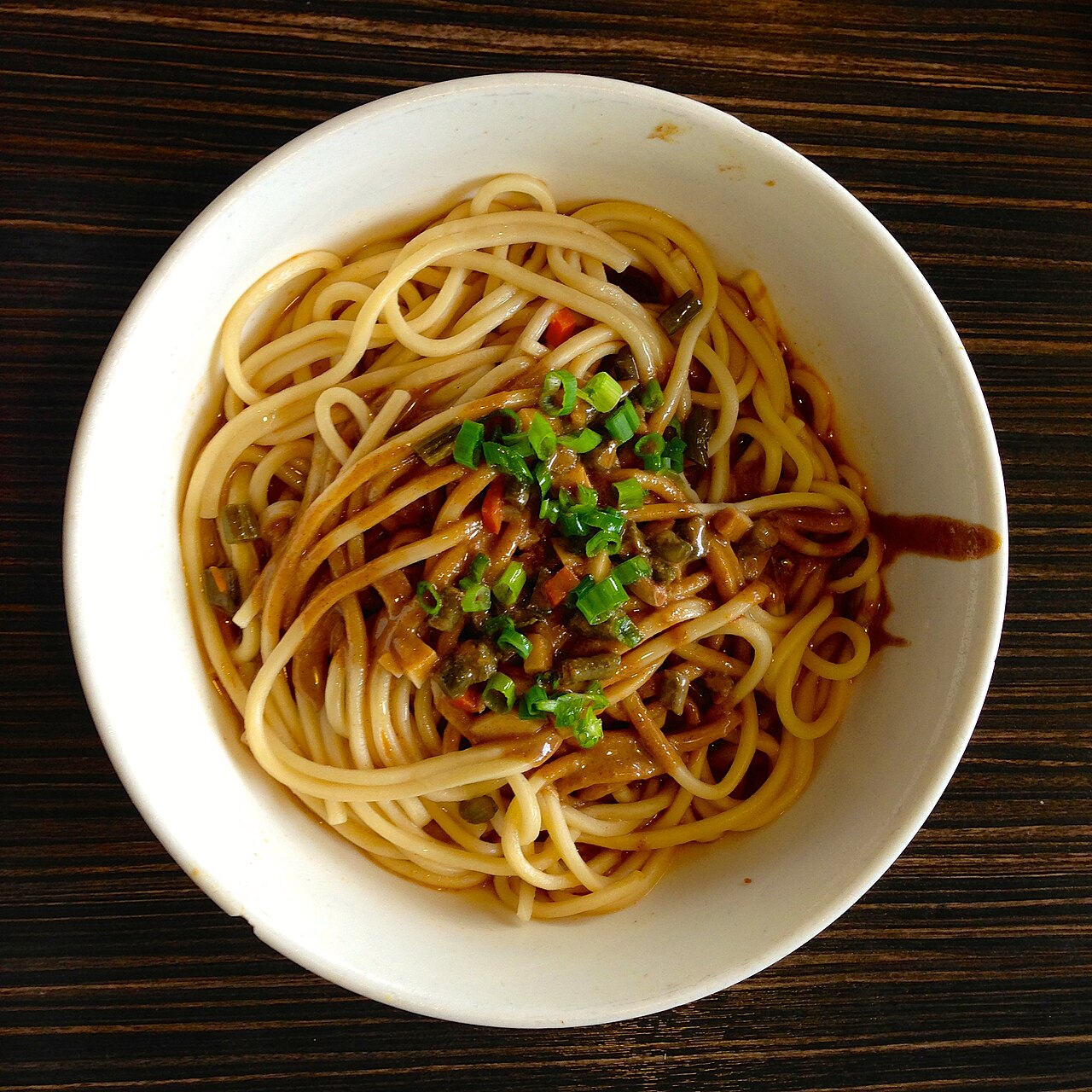
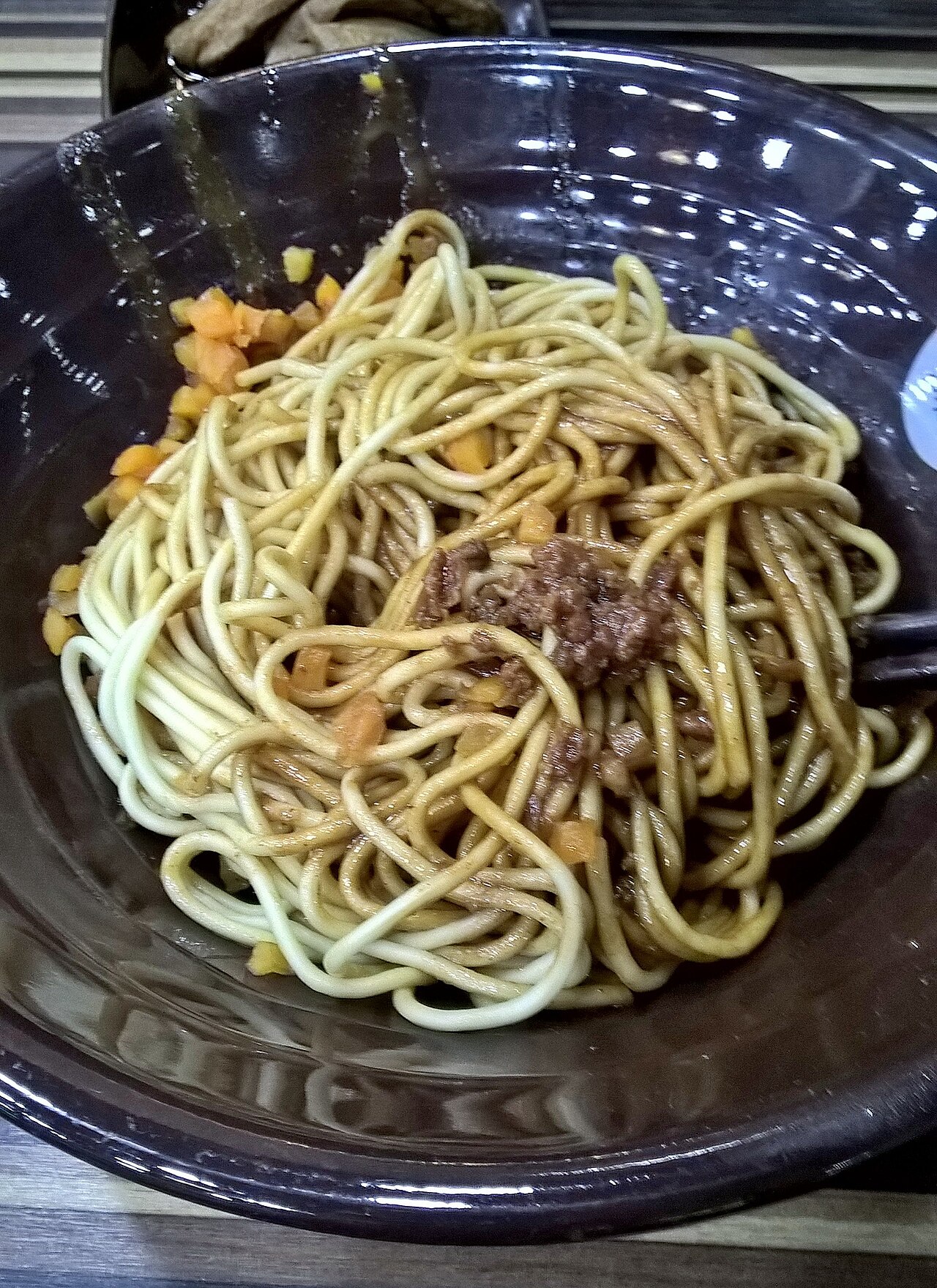
What began as comfort food for homesick Hubei expatriates is steadily crossing over into mainstream global food culture. On English-language food media, culinary creators routinely dub Reganmian “Wuhan Sesame Carbonara” or “Tahini-Style Alkaline Ramen”—marveling at how a pantry pack under three dollars delivers 12+ grams of plant protein, rich calcium, and restaurant-caliber sauce cling in six minutes without a drop of MSG-heavy soup base. In Southeast Asia, obtaining Halal certification on plant-based Reganmian lines has opened vast new consumer markets in Malaysia and Indonesia.
Even more ambitiously, packaged exports have paved the way for live culinary flagships abroad. Cai Lin Ji has opened bustling brick-and-mortar restaurants in Singapore (from Jurong Point to Bugis) and Kuala Lumpur, with North American outposts expanding alongside. Using central-factory stone-ground black sesame paste shipped from Hubei paired with freshly extruded alkaline strands blanched to order, bowls priced at S$6.50 to S$8.80 draw multi-ethnic lunch crowds daily—proving that Wuhan’s ninety-year-old wharf staple speaks a universal language of nutty, savory satisfaction.
- Wuhan Customs & Hankou Customs 'One Product, One Policy' Specialty Agri-Food Export Facilitation Briefings
- US FDA FASTER Act (Sesame Allergen Mandate) & European Commission Regulation (EU) 2023/915 Mycotoxin Thresholds
- North American & Australasian Asian Grocery Channel Audits (99 Ranch Market, T&T Supermarket, Weee!)
❓ Frequently Asked Questions
Why is classic Wuhan Reganmian much easier to export to the US, EU, and Australia than Luosifen or Lanzhou beef noodles?
Strict agricultural biosecurity agencies—such as the US Department of Agriculture (USDA), the EU, and Australia's DAFF—heavily restrict processed foods containing pork, beef, or poultry extracts from mainland Asia. Classic plain Reganmian relies entirely on wheat flour, alkali salts, pure sesame paste, plant oils, soy sauce, and pickled vegetables—making it naturally 100% plant-based and exempt from animal-origin quarantine barriers.
How did the 2023 US FASTER Act affect Wuhan Reganmian exporters?
Effective January 1, 2023, the US FASTER Act elevated Sesame to the ninth major federally mandated food allergen alongside wheat, soy, and peanuts. Hubei exporters overhauled English packaging and factory allergen-segregation protocols to prominently declare 'Contains: Wheat, Soybeans, Sesame' (plus Peanut where 80/20 blends are used).
Have authentic Wuhan Reganmian chains opened brick-and-mortar restaurants overseas?
Yes. Following strong packaged-food brand recognition abroad, century-old heritage leader Cai Lin Ji launched brick-and-mortar stores in Singapore (including Jurong Point and Bugis), Kuala Lumpur, and North America, shipping proprietary stone-ground black sesame paste directly from Hubei central plants while pressing fresh alkaline noodles locally.
✦ Cross-Referenced Chapters
Global Footprint: Overseas Reganmian Shops Worldwide
Tracking Wuhan noodle stalls from Flushing and Los Angeles to London, Sydney, Melbourne, Tokyo, and Singapore.
The Multi-Billion RMB Reganmian Supply Chain Ecosystem
From dedicated wheat mills and automated central wet-noodle factories to tens of thousands of storefronts and live-stream retail.
Official Technical Standards: Hubei DB42 Specifications Decoded
Key physicochemical, moisture, alkalinity, and sesame purity benchmarks codified in Hubei’s official regional standards.
Global Palate Reactions & Official English Culinary Nomenclature
How international diners experience Wuhan’s "Sesame Carbonara" and standardizing English menu translations for Reganmian craft.