Visual Archive & Art Gallery — Wuhan Reganmian Photography & Ink-Wash Plates
Explore 13 bespoke Xuan-paper Chinese ink-and-wash culinary plates alongside open-licensed documentary photography of Wuhan Hot Dry Noodles and Guozao street life.
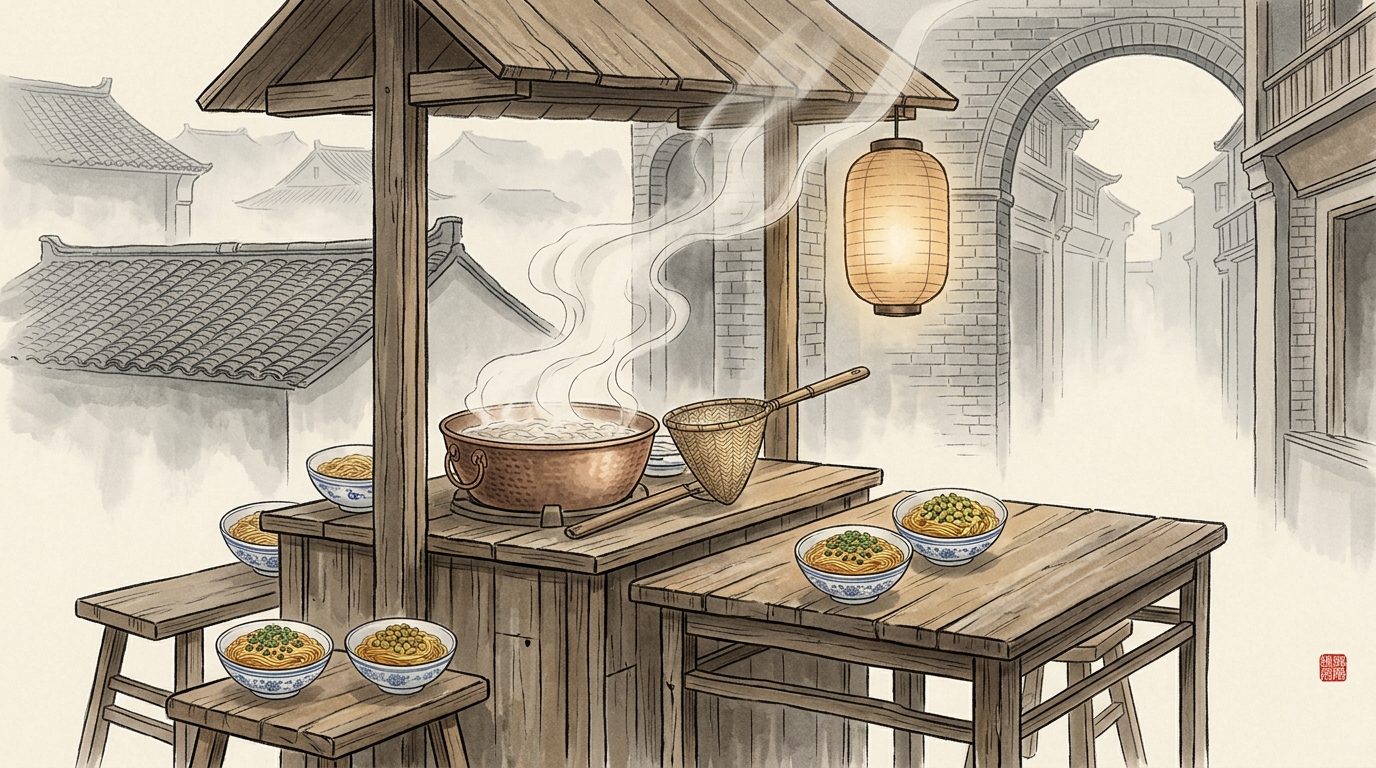
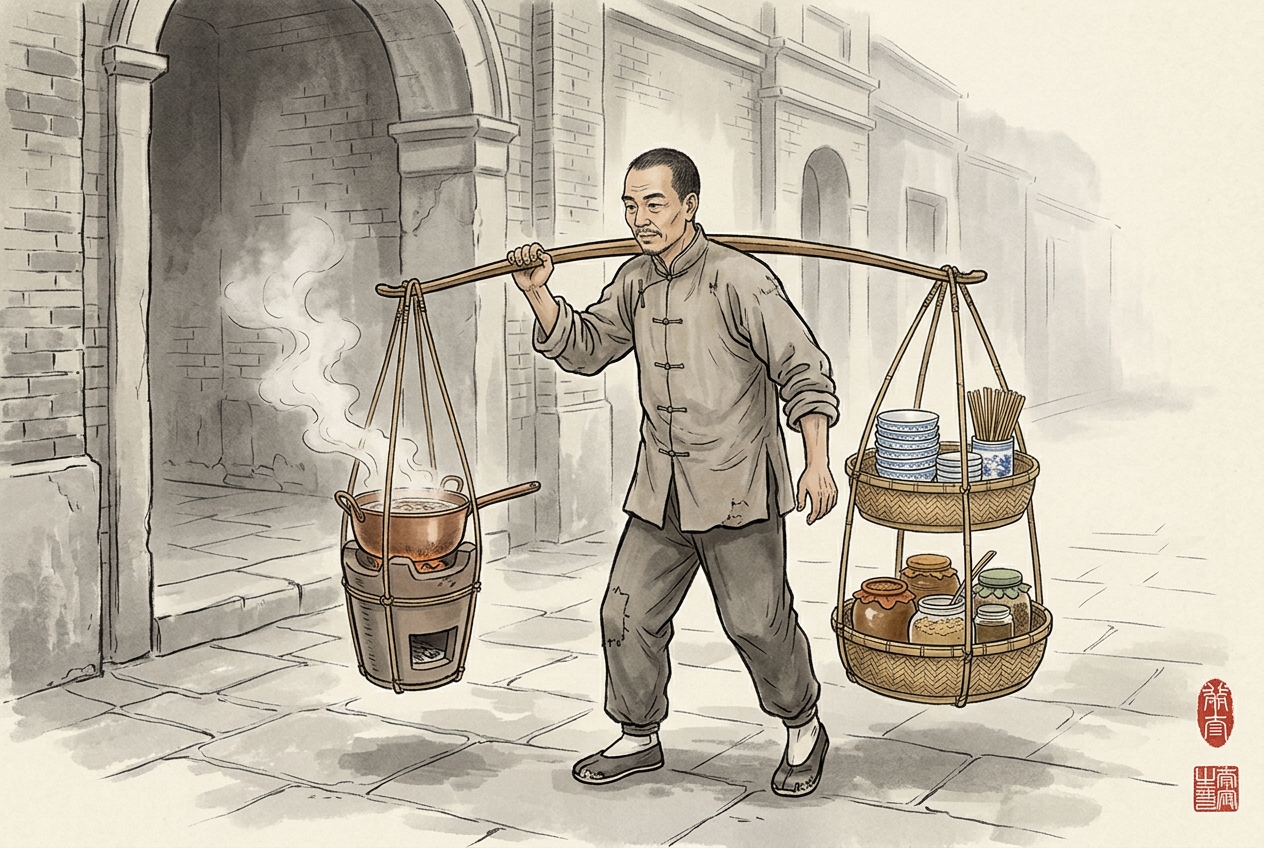
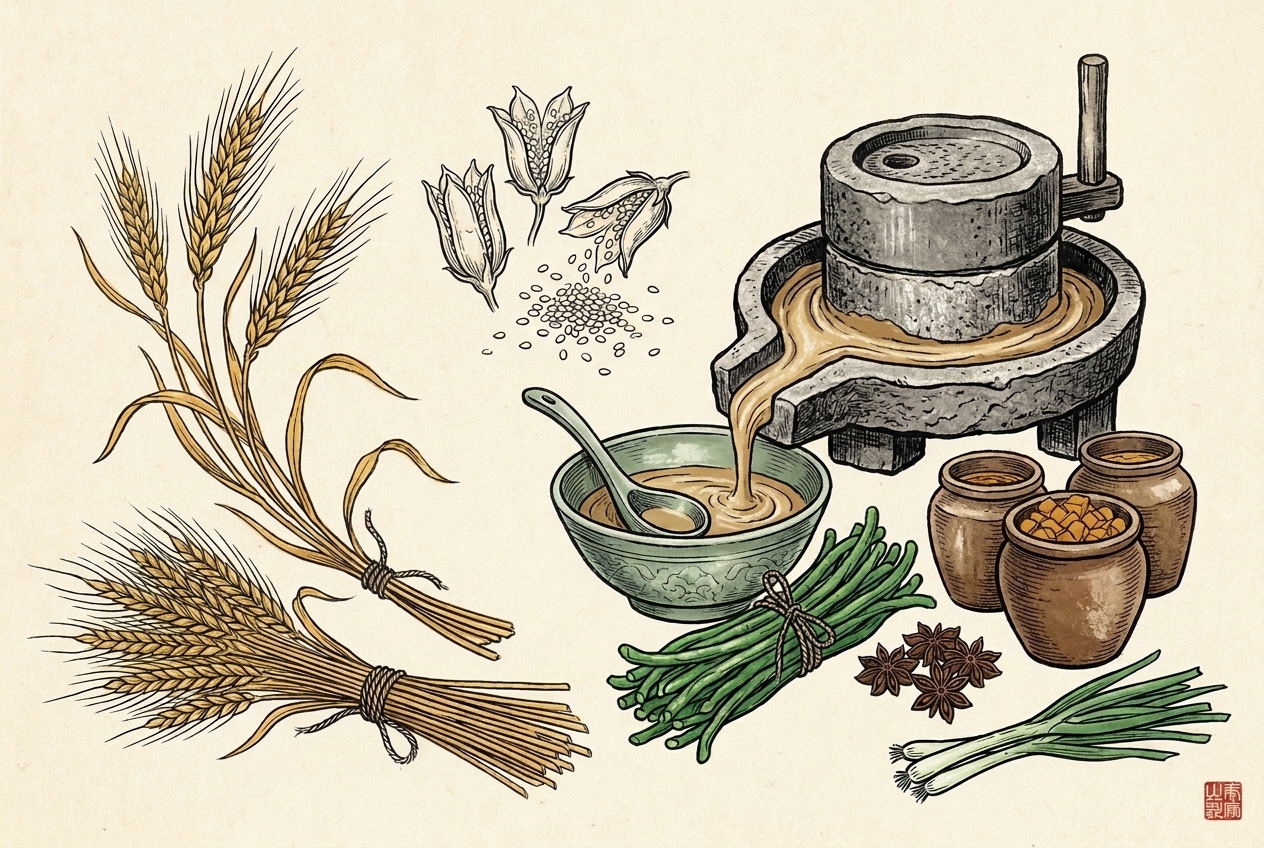
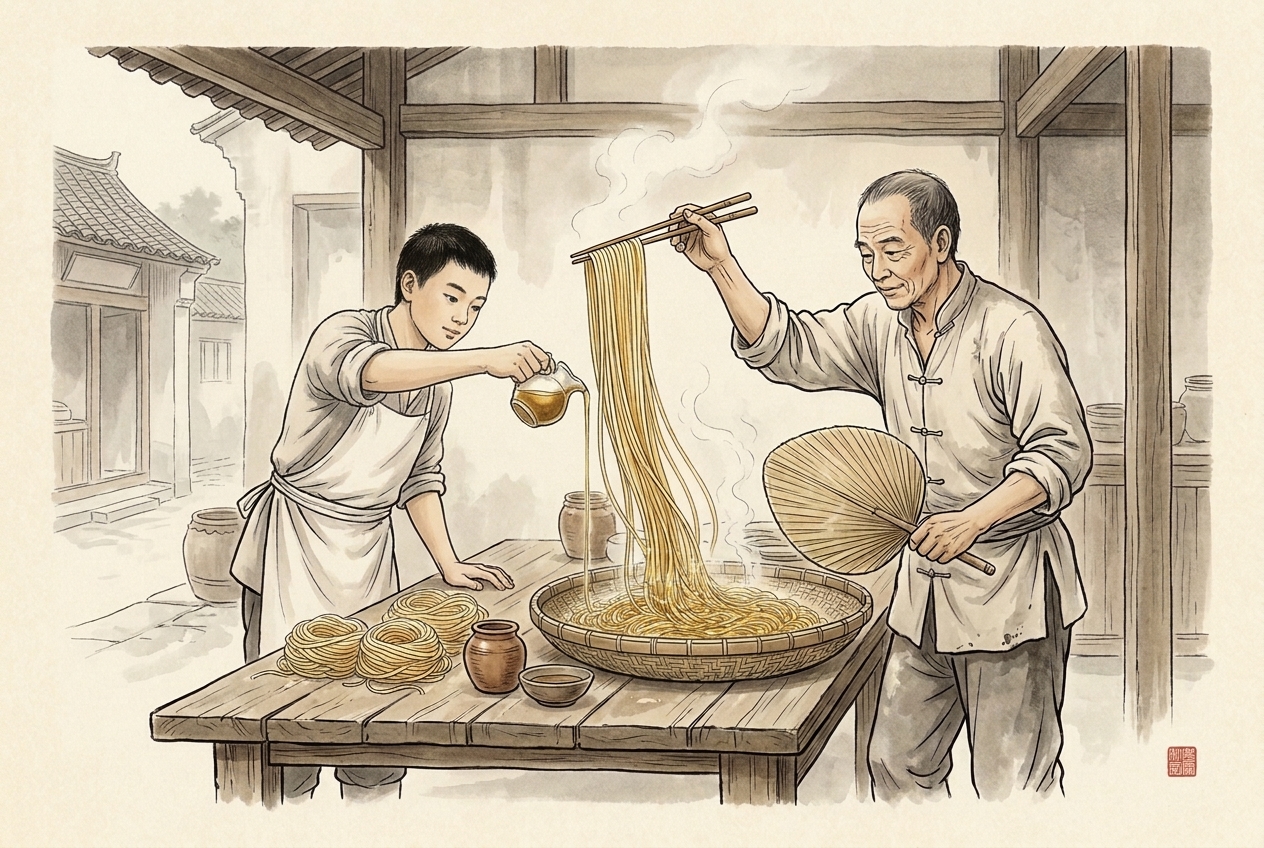
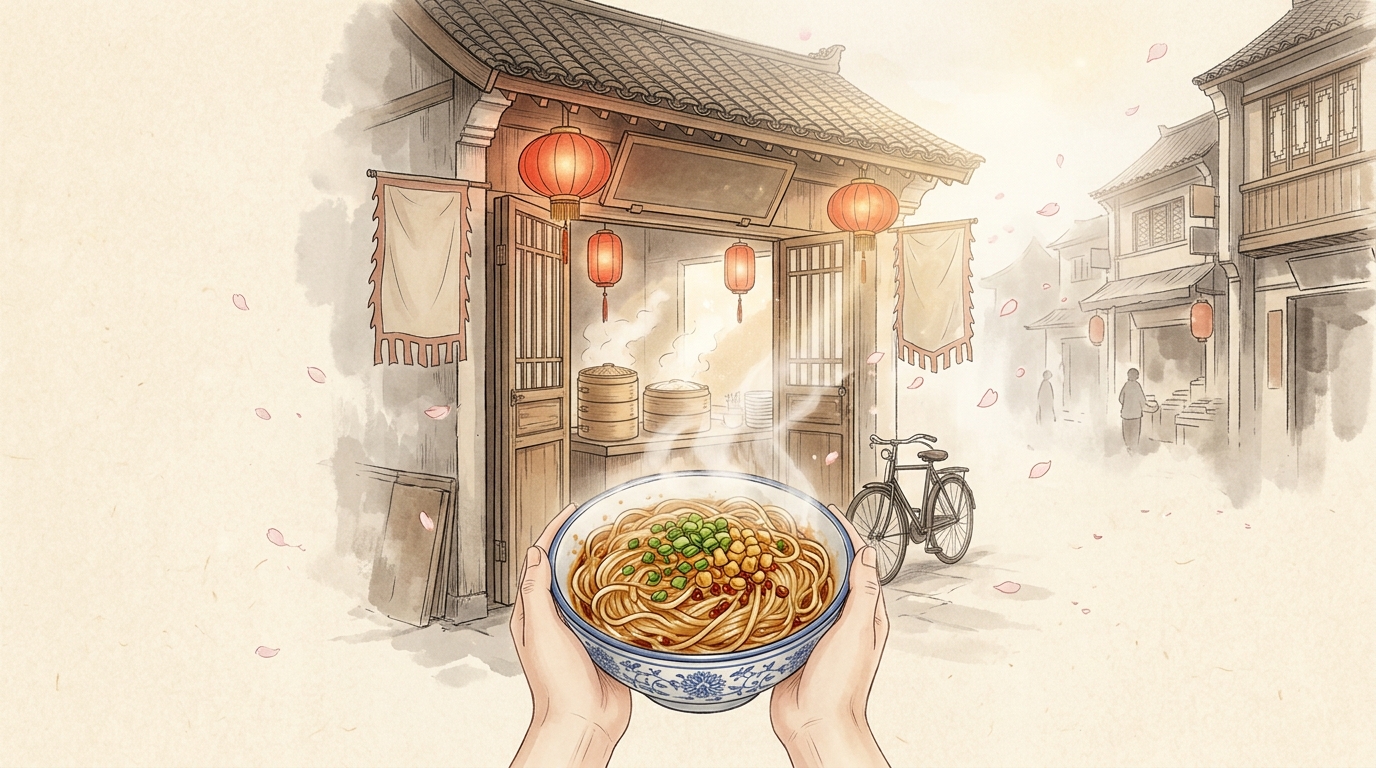
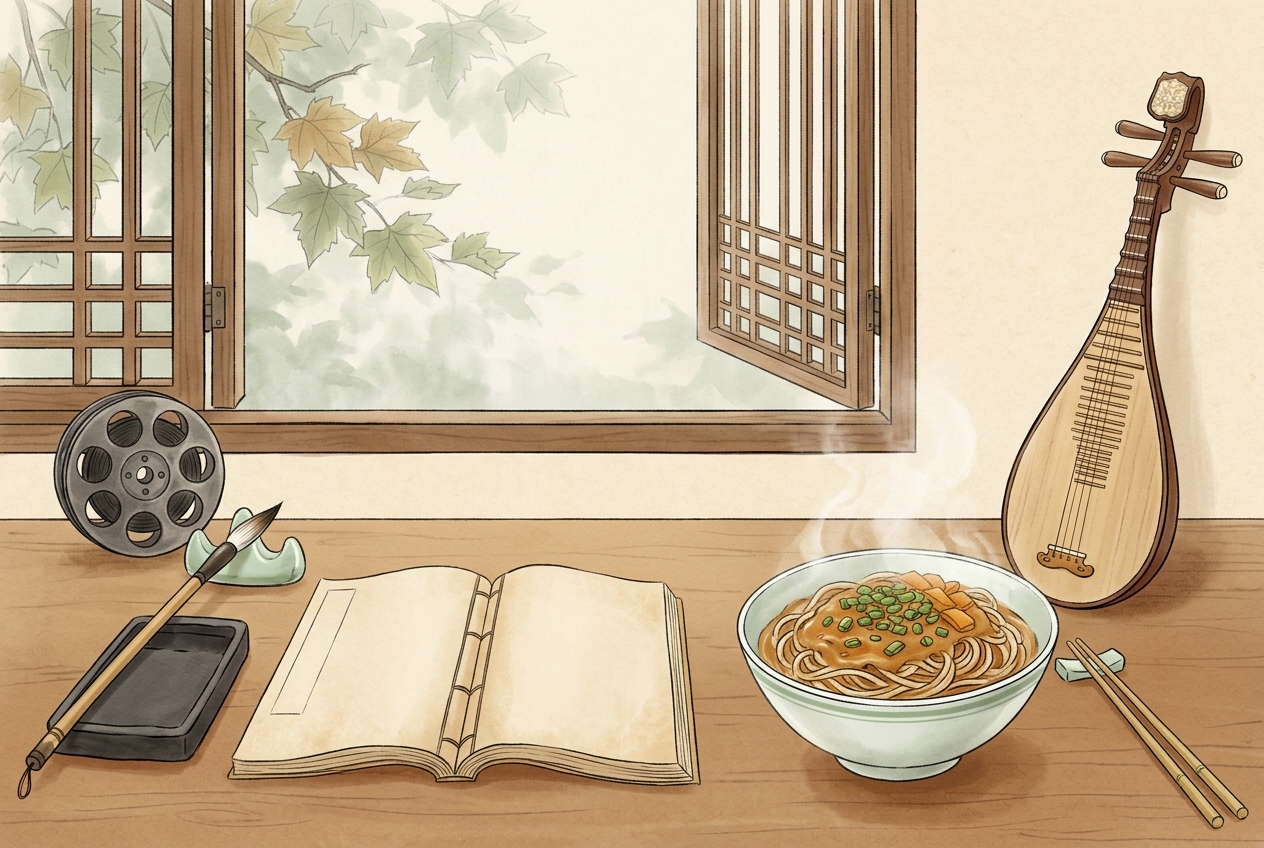
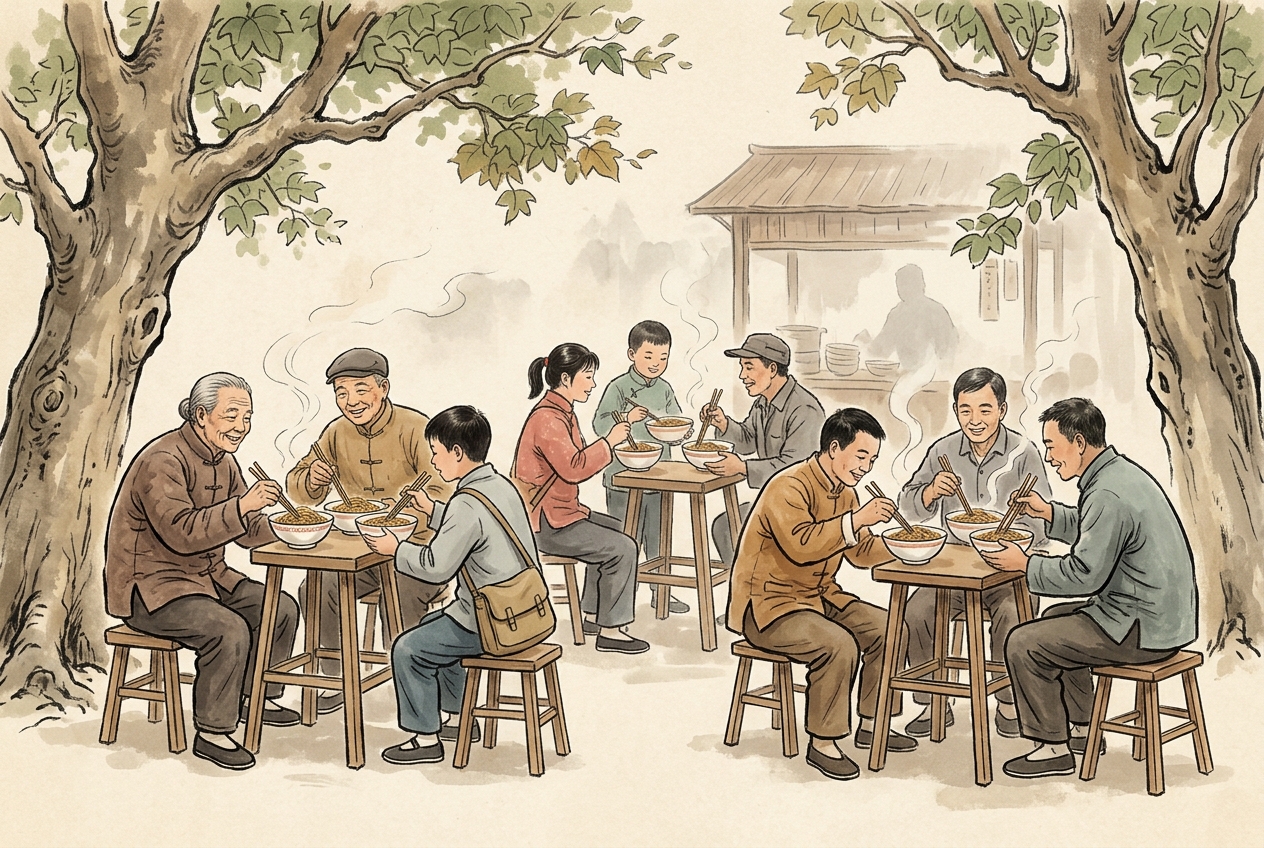
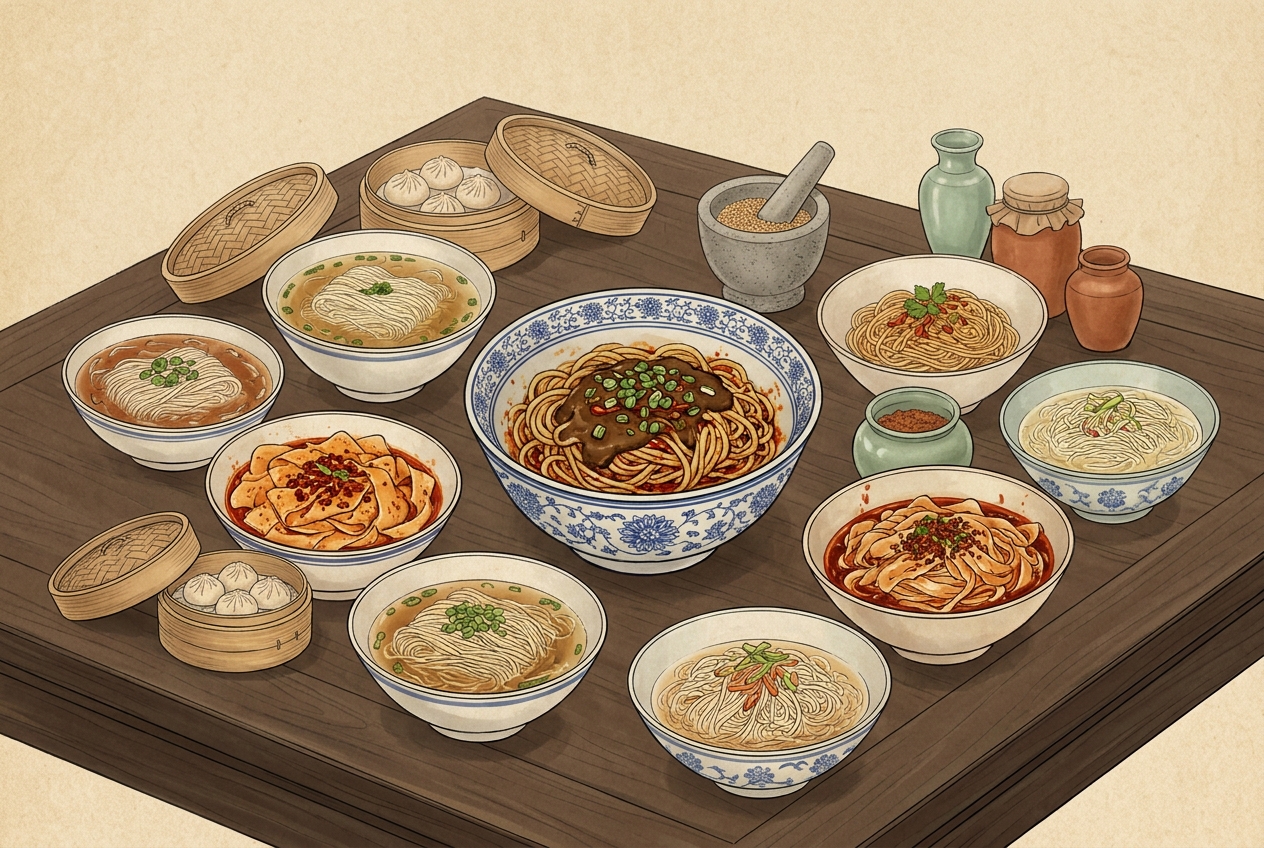
🖌 Part I · Thirteen Xuan-Paper Ink-and-Wash Gazetteer Plates
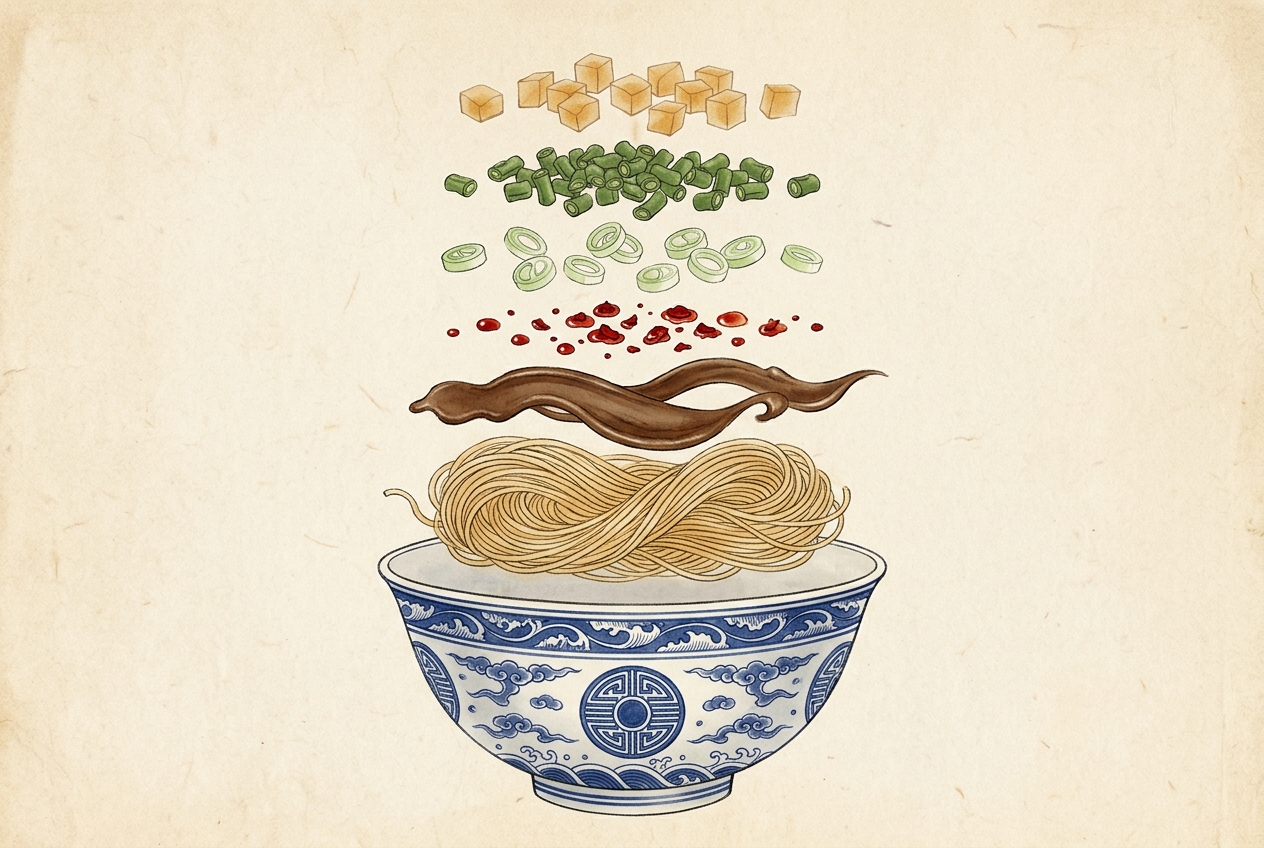
📷 Part II · Open-Access Documentary Photography (32 Photos)
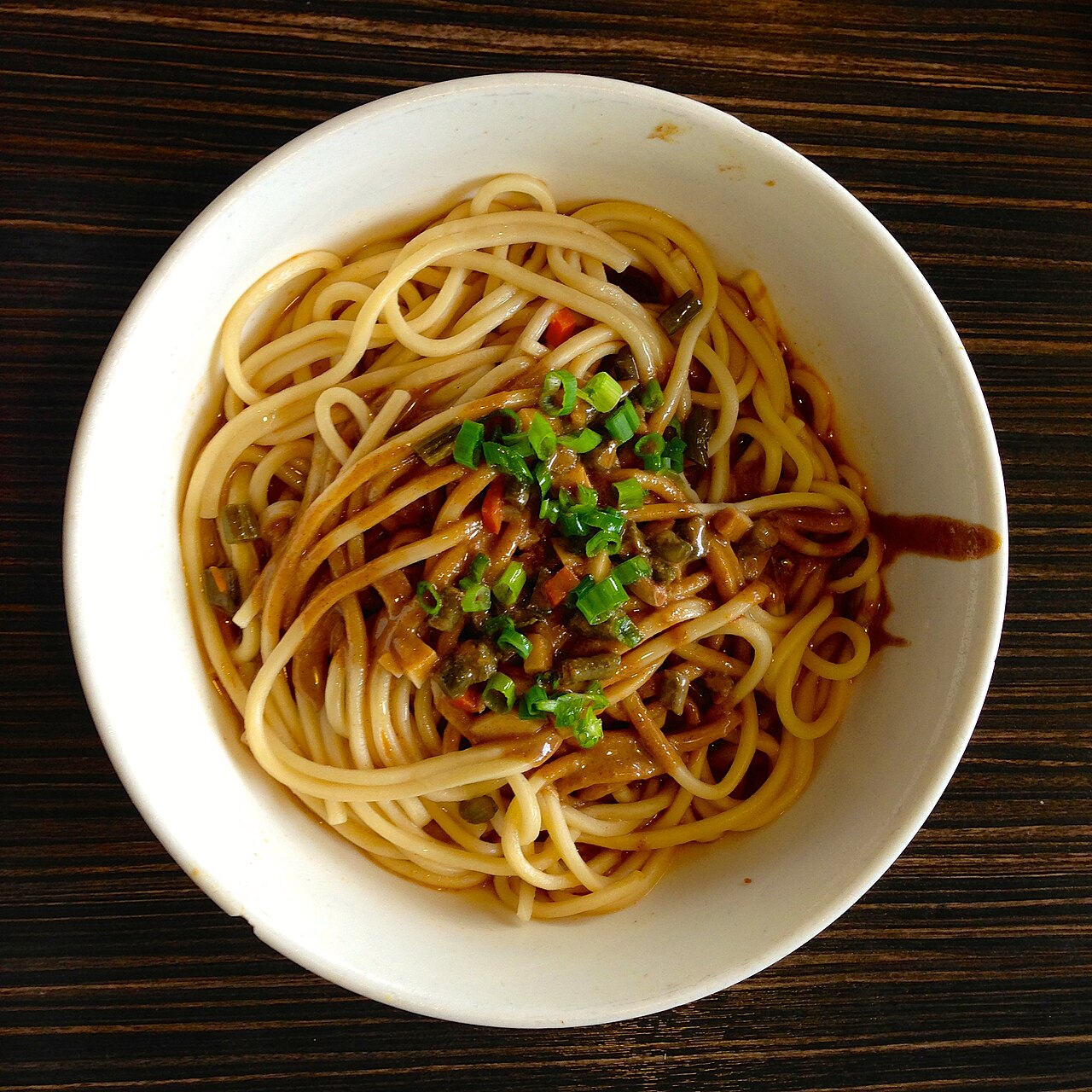
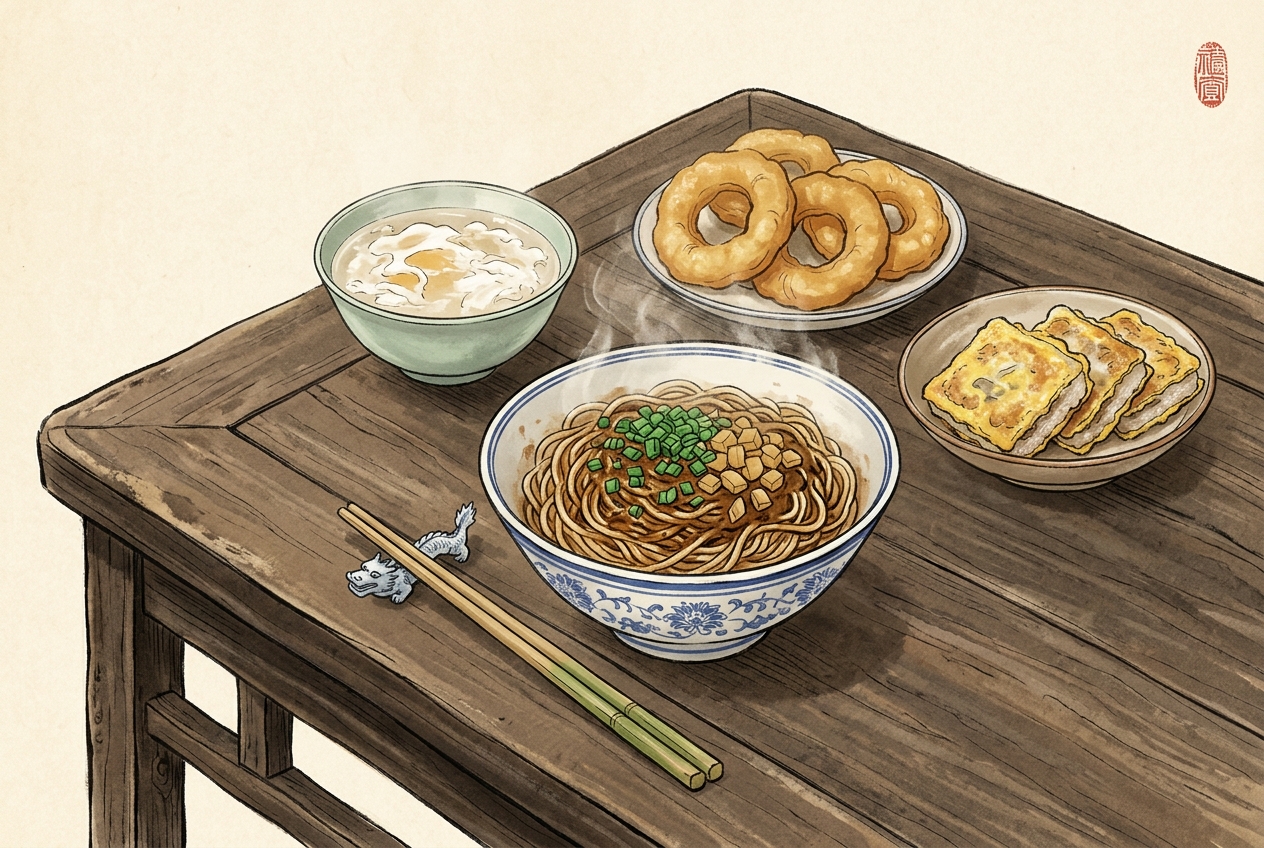
Freshly blanched alkaline round noodles dressed with thick stone-ground sesame paste, chili oil, minced scallions, and diced pickled radish.
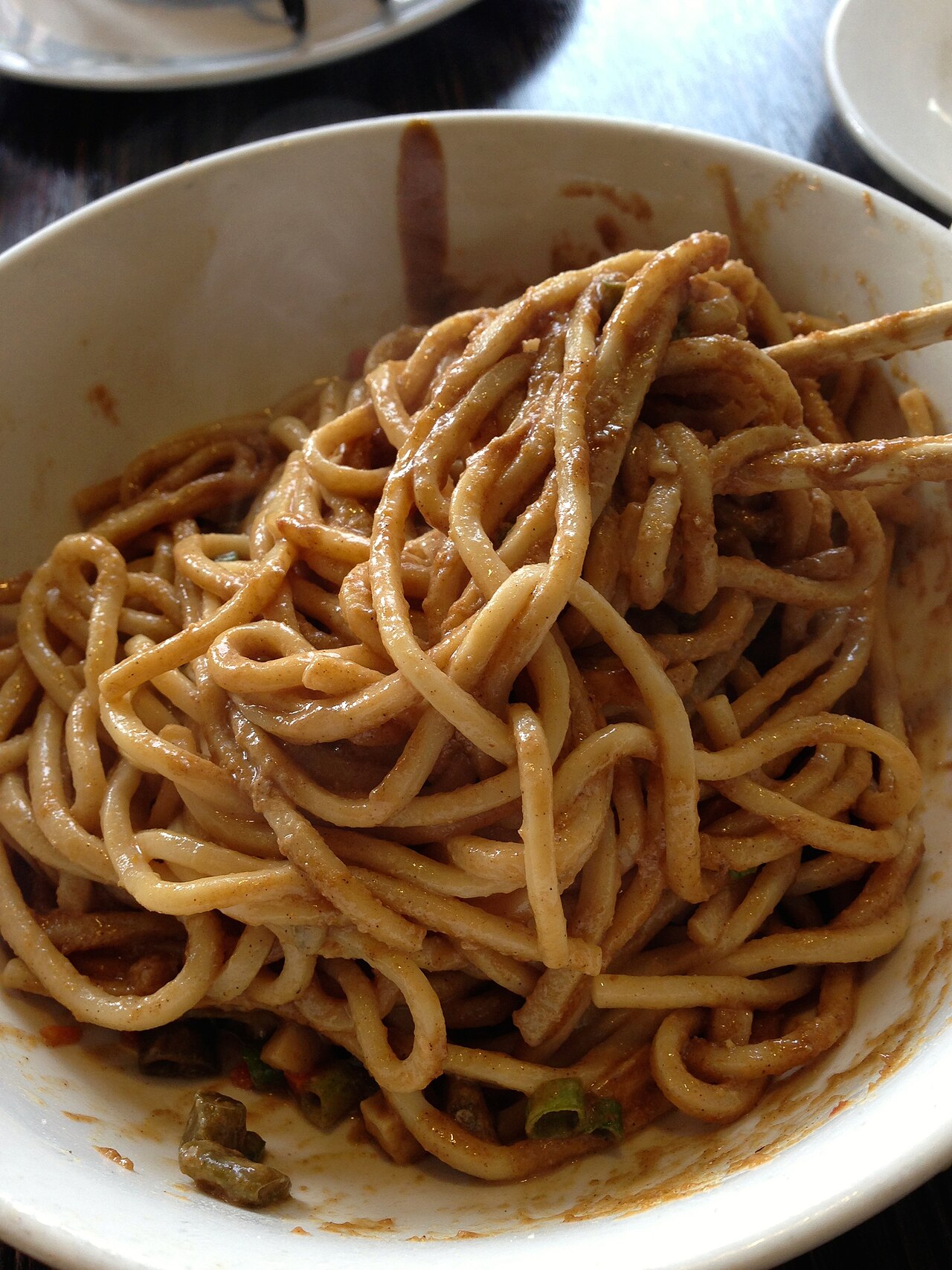
Tossed briskly while steaming hot so every chewy alkaline strand is evenly cloaked in glossy sesame paste and savory soy-spice brine.
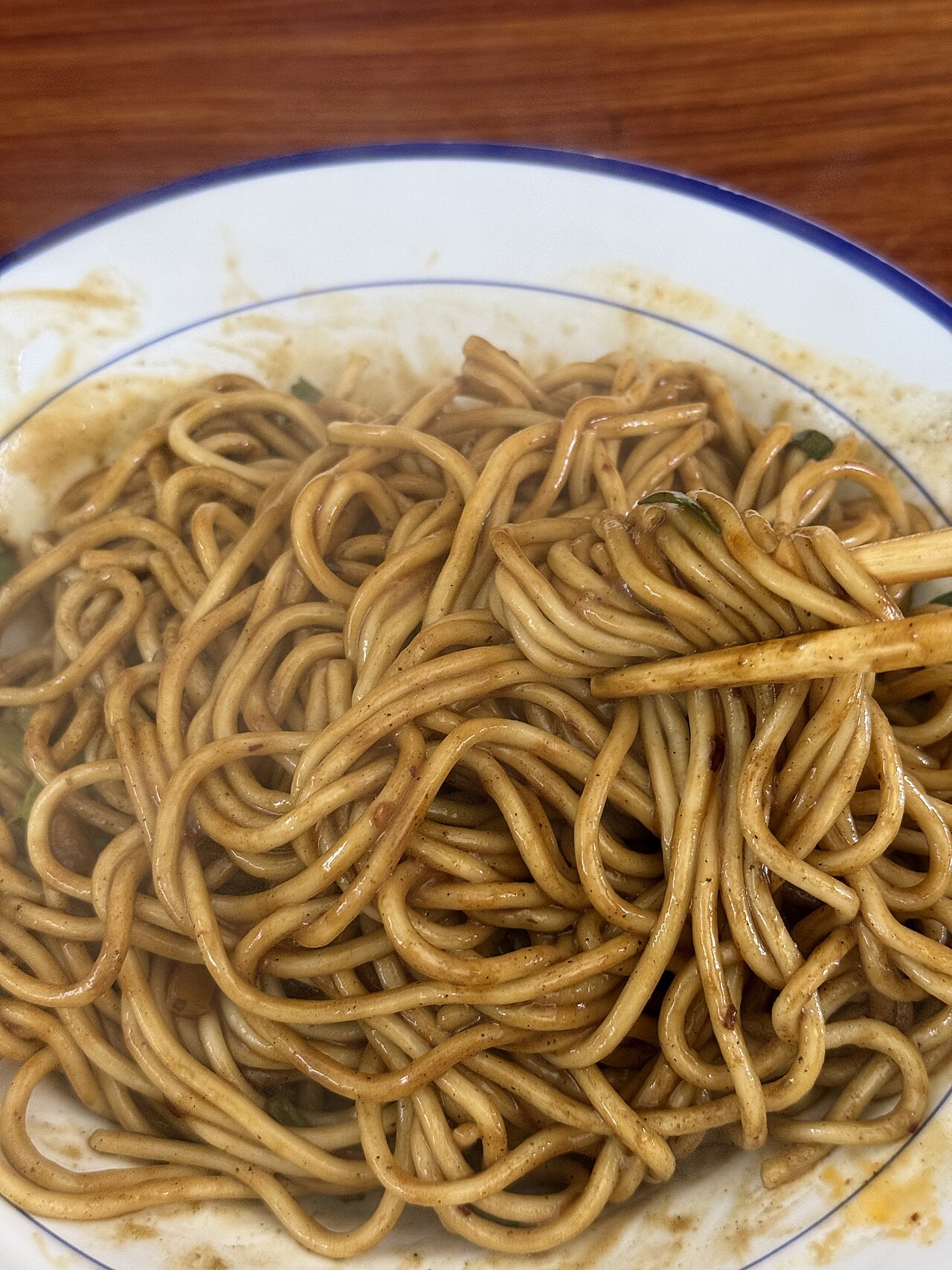
An everyday morning bowl in Wuhan: pre-oiled alkaline noodles flash-blanched for seconds and crowned with sesame paste and tangy pickles.
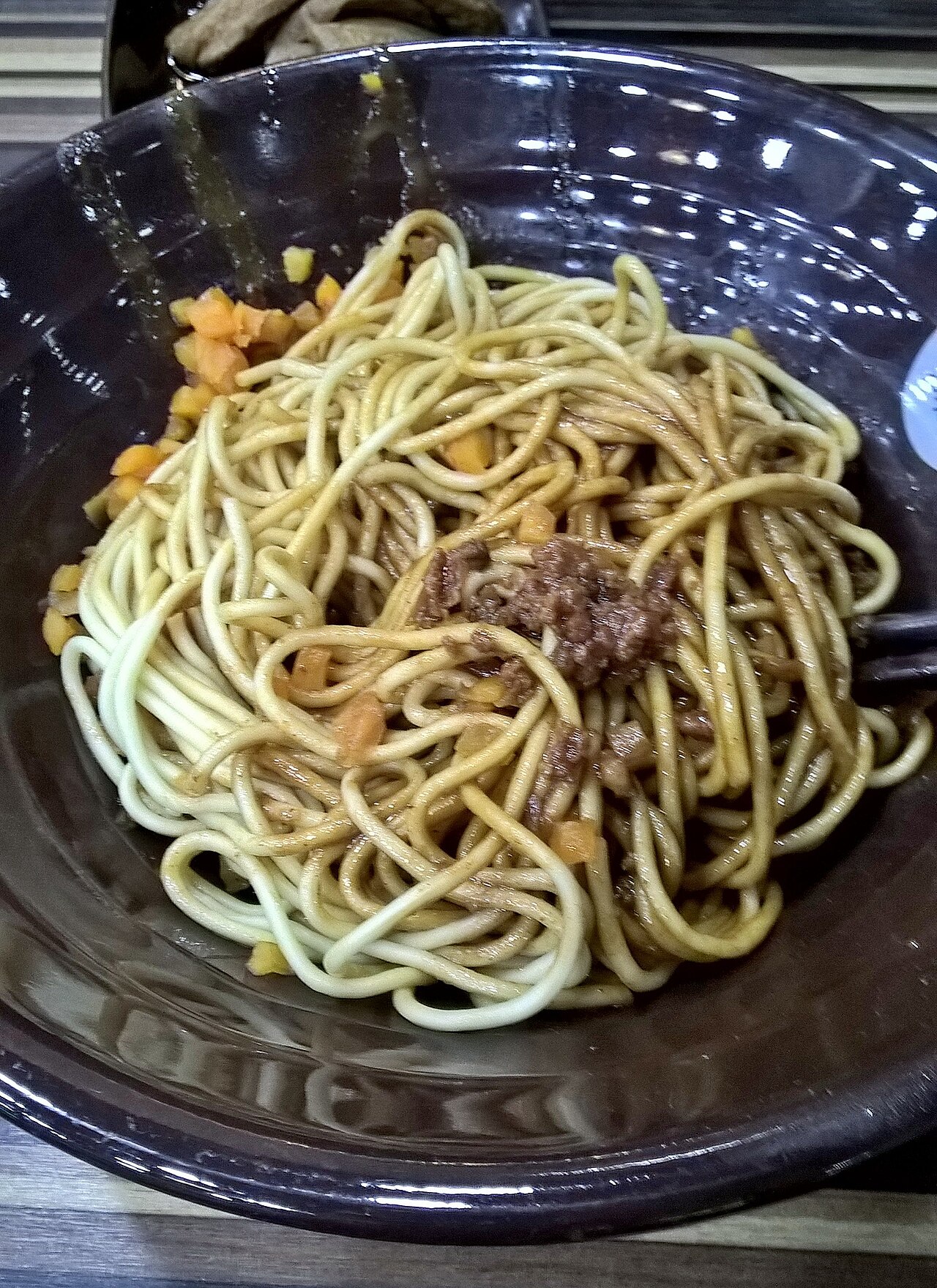
Served in a dark glazed bowl at a Wuhan eatery: alkaline noodles tossed in sesame-soy dressing and topped with savory minced beef and diced pickled radish.
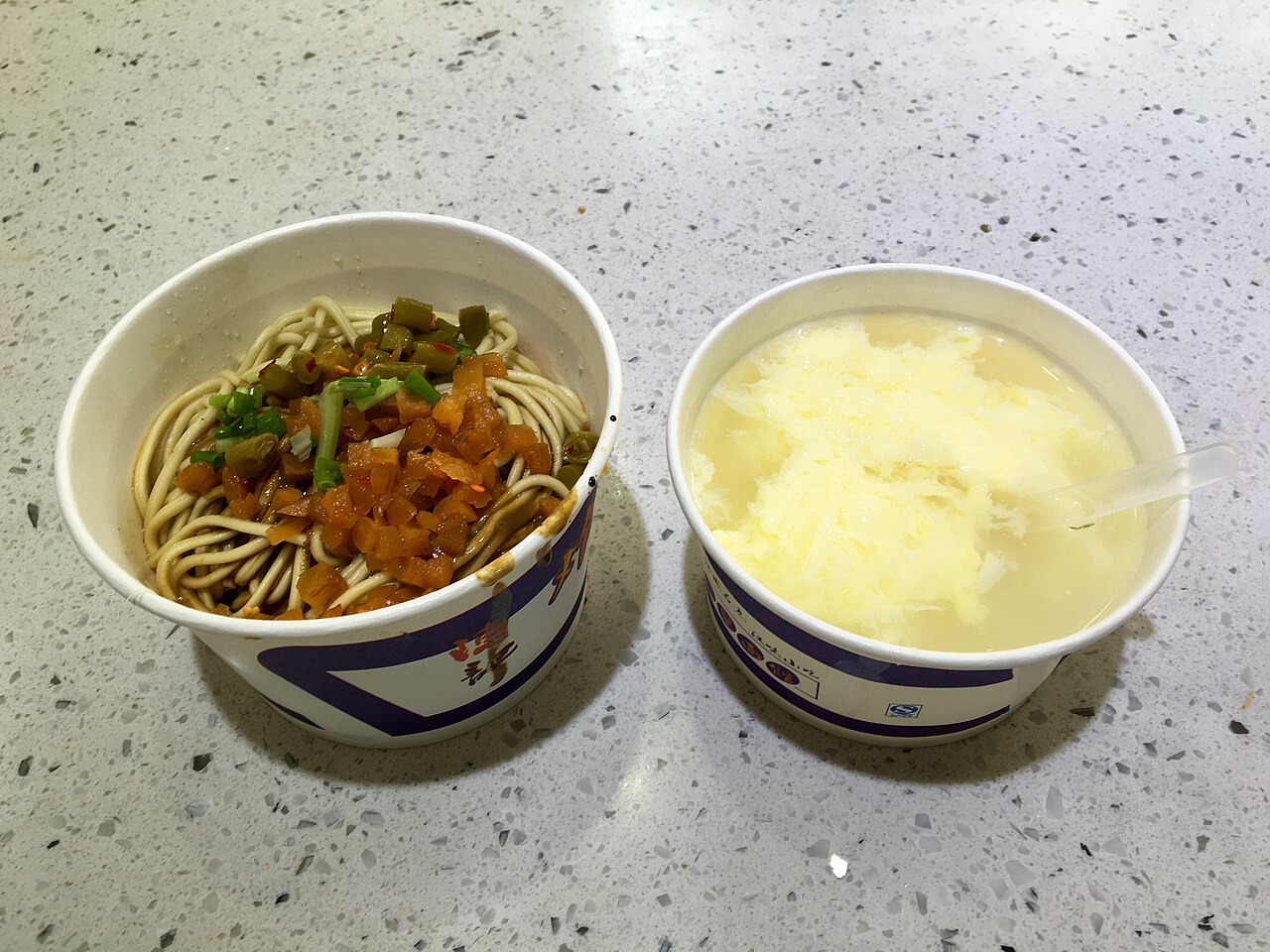
Wuhan's quintessential breakfast duo: rich, nutty hot dry noodles balanced by a steaming bowl of sweet fermented rice wine whisked with egg.
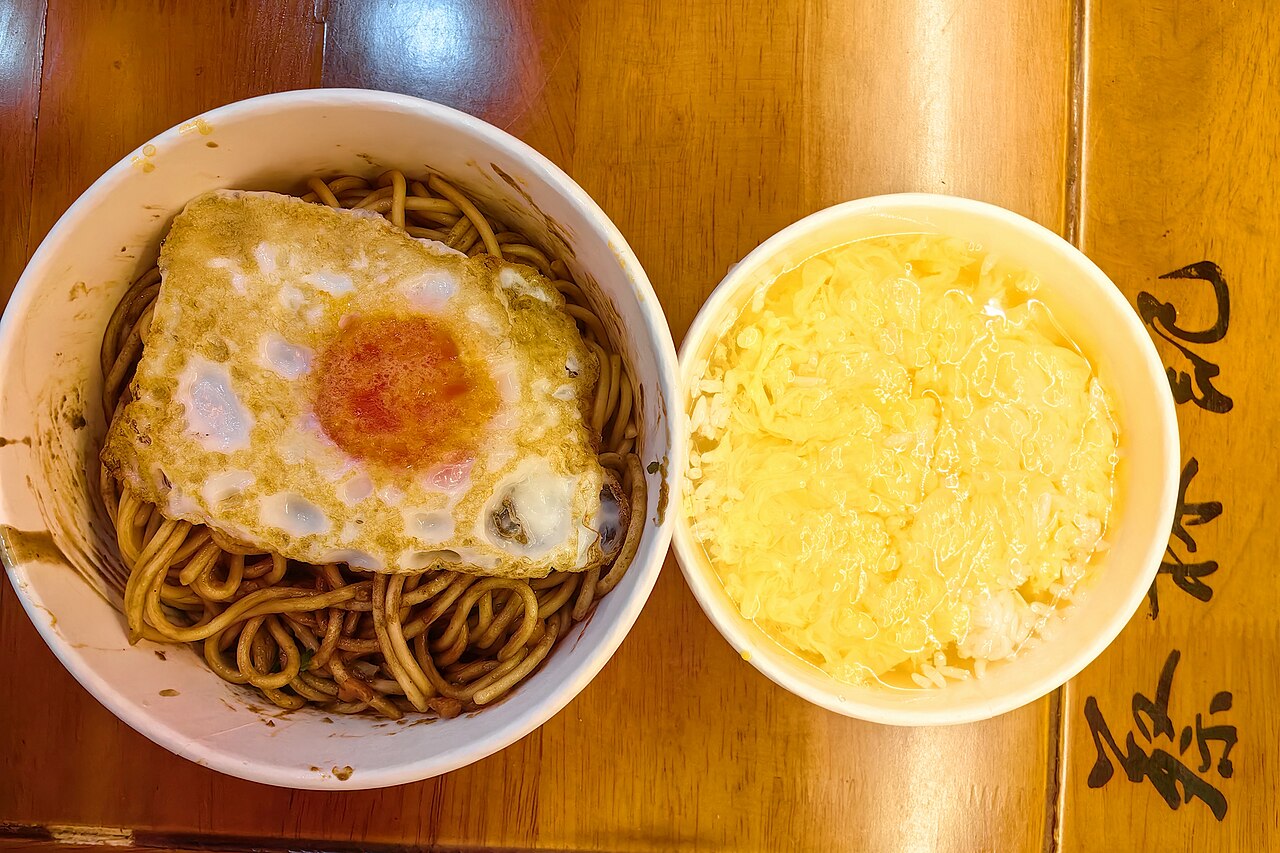
At Cai Lin Ji in Wuhan, full-topping hot dry noodles crowned with a crisp-edged fried egg sit beside a steaming bowl of golden egg-drop rice wine.
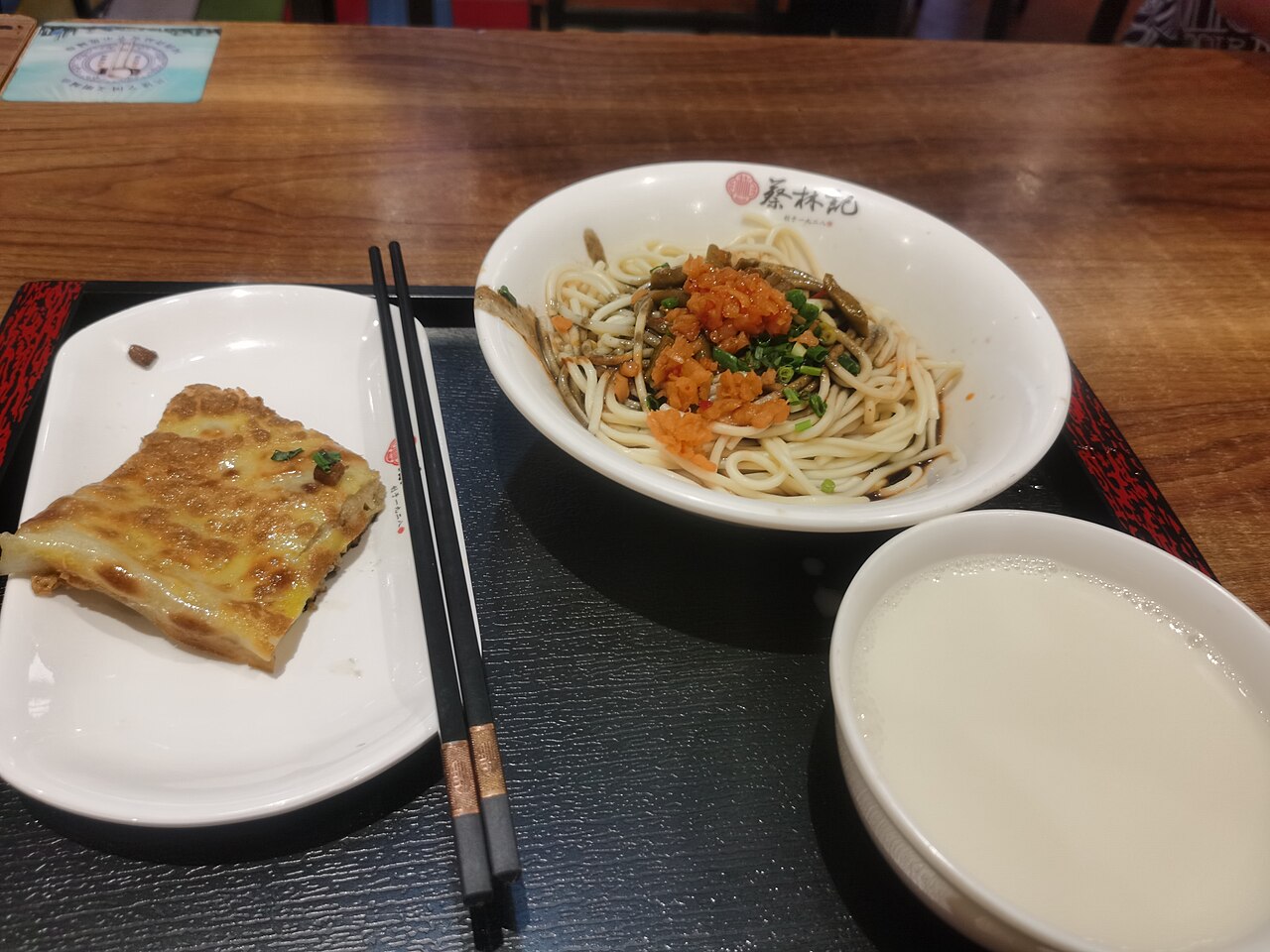
Two pillars of Wuhan breakfast—sesame-dressed Reganmian and golden pan-seared Doupi—served together with warm soy milk.
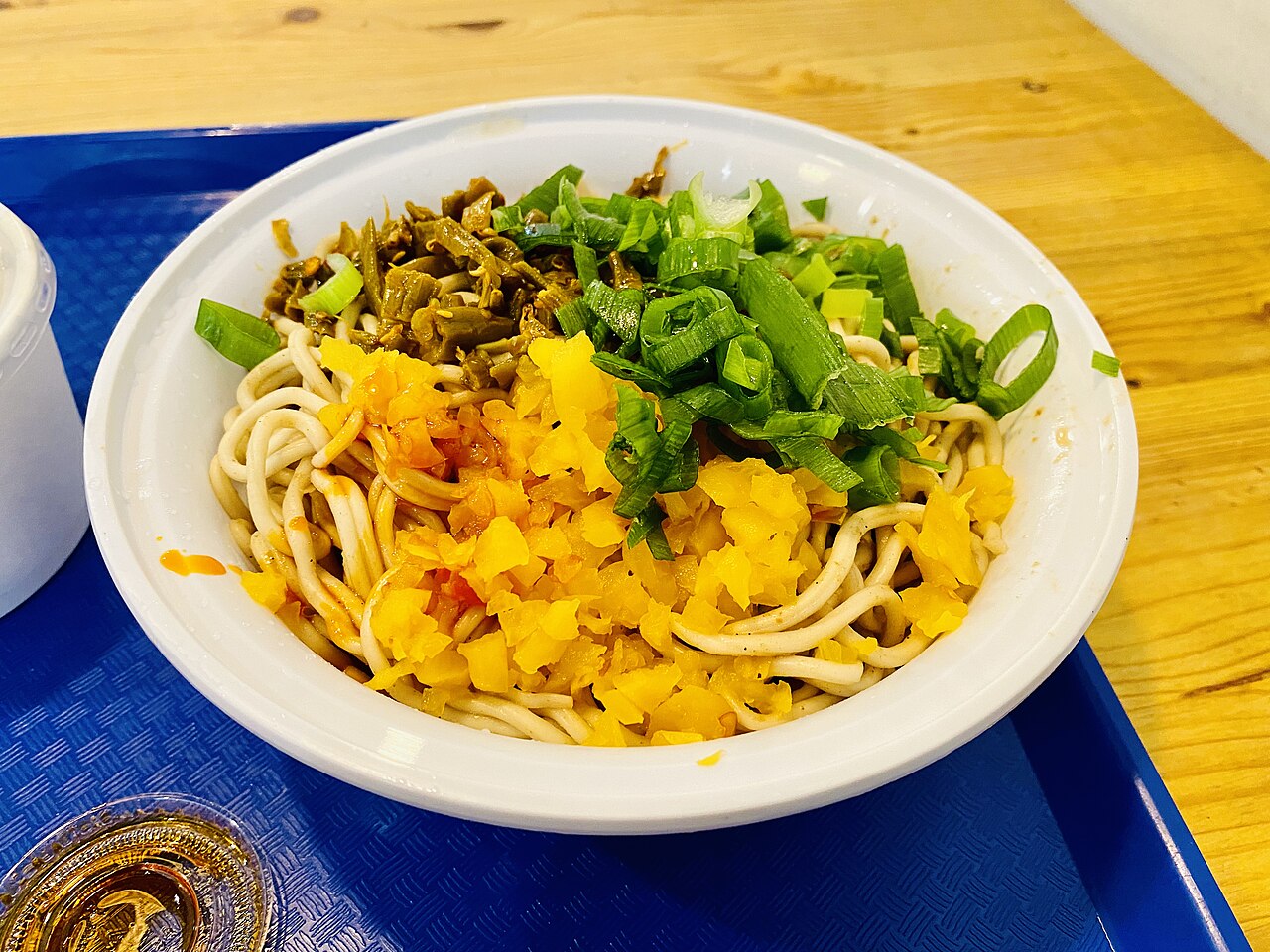
Wuhan's signature noodle craft abroad: chewy alkaline strands crowned with golden diced radish, tangy pickled cowpeas, and fresh scallions over sesame sauce.
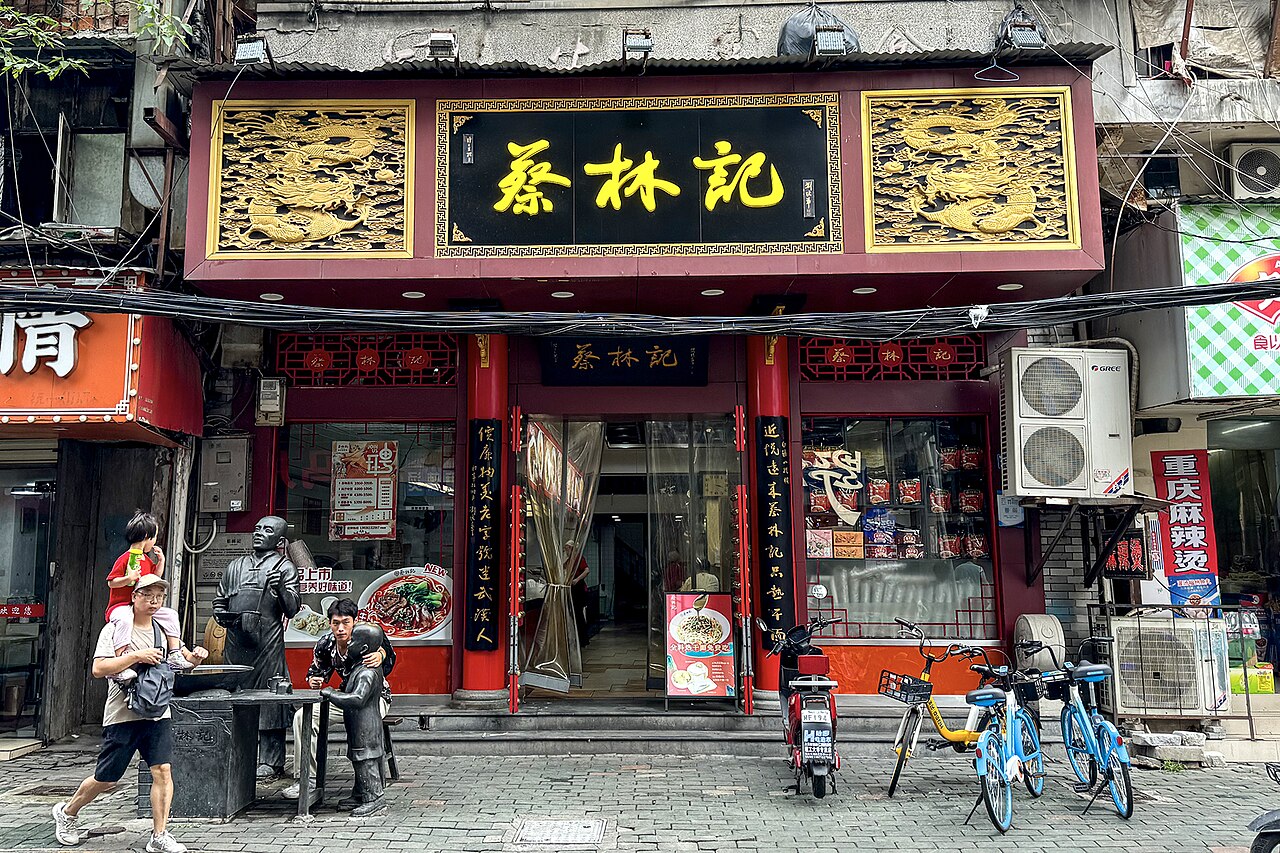
The Hankou flagship of Cai Lin Ji (founded 1928), complete with a bronze street-vendor sculpture honoring Reganmian's humble origins.
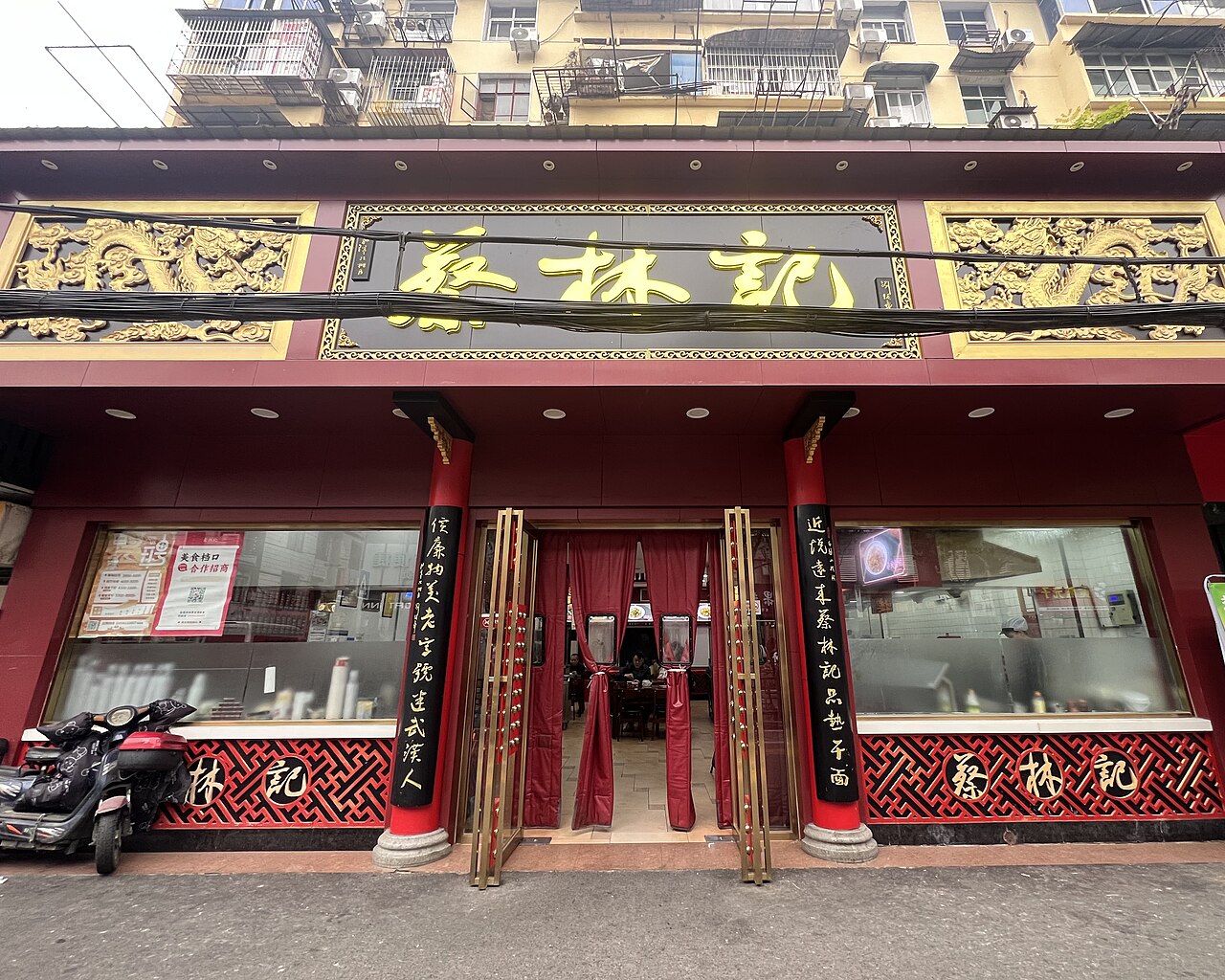
A bustling neighborhood Cai Lin Ji storefront on Beihu Main Street in Hankou, part of Wuhan's everyday morning ritual.
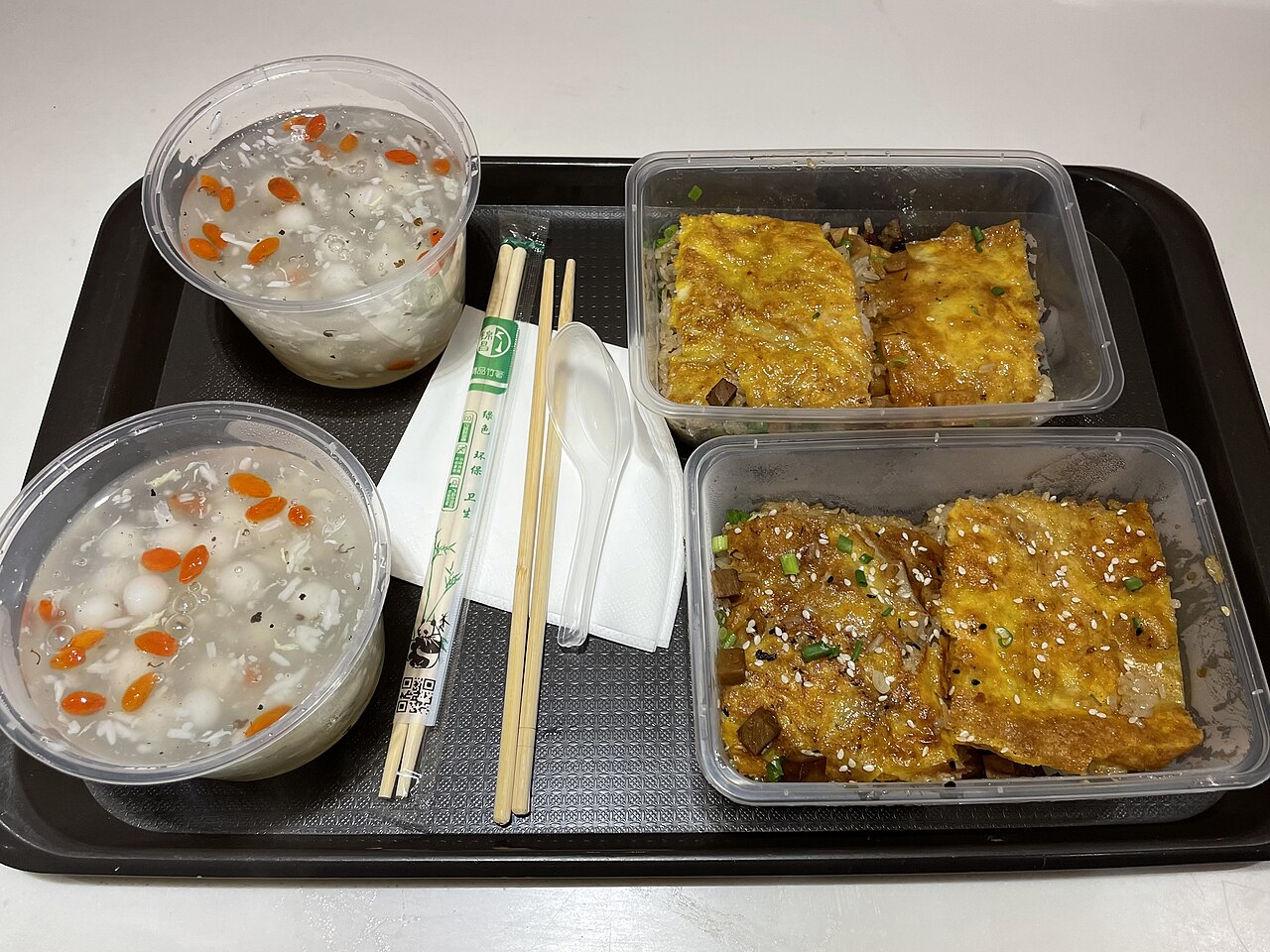
Golden egg-coated mung-bean skin stuffed with glutinous rice, pork, mushrooms, and bamboo shoots, served with sweet osmanthus rice wine (Humijiu).
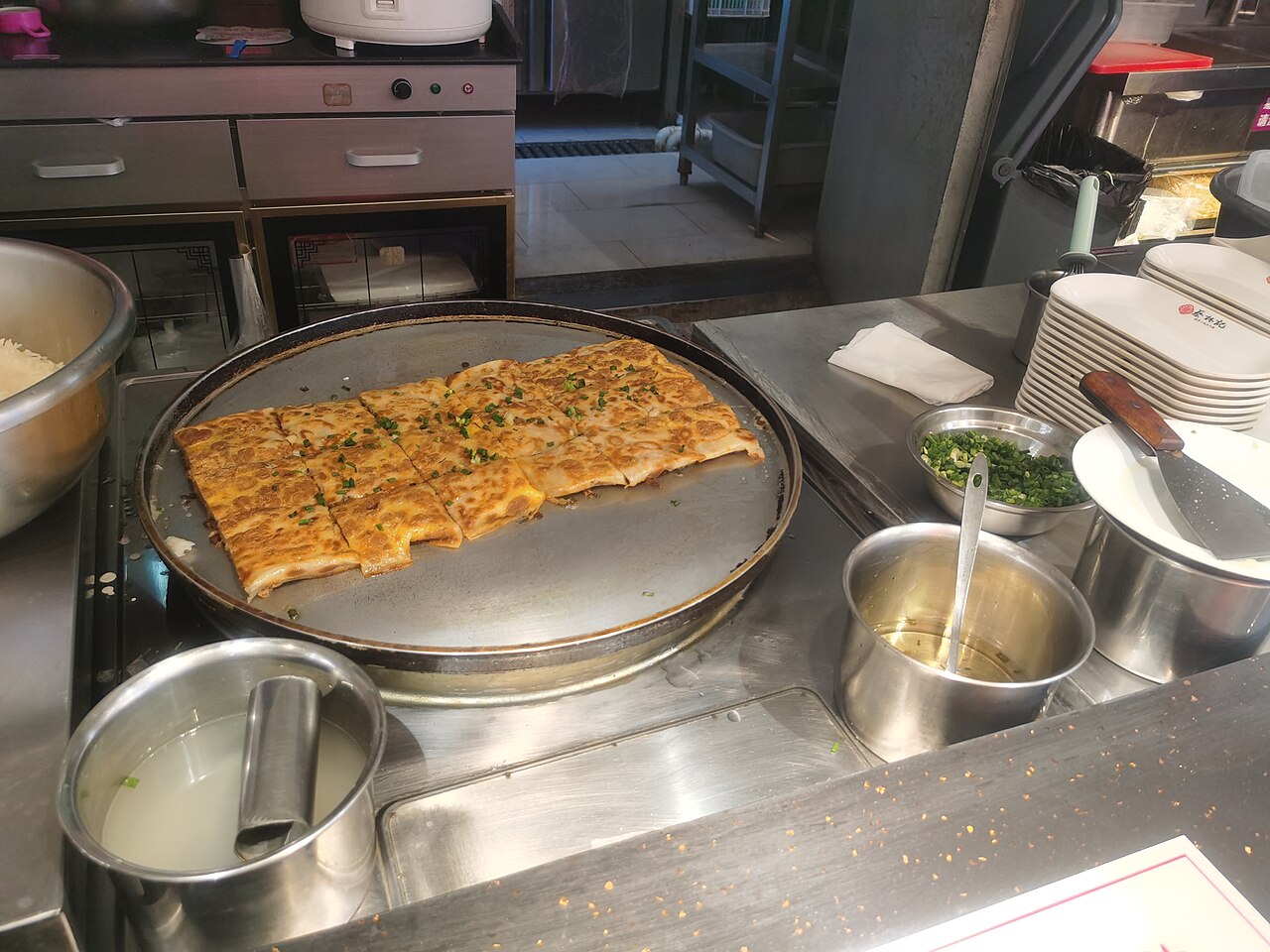
A wide cast-iron griddle sizzling with a golden sheet of stuffed Doupi ready to be portioned into crisp squares.
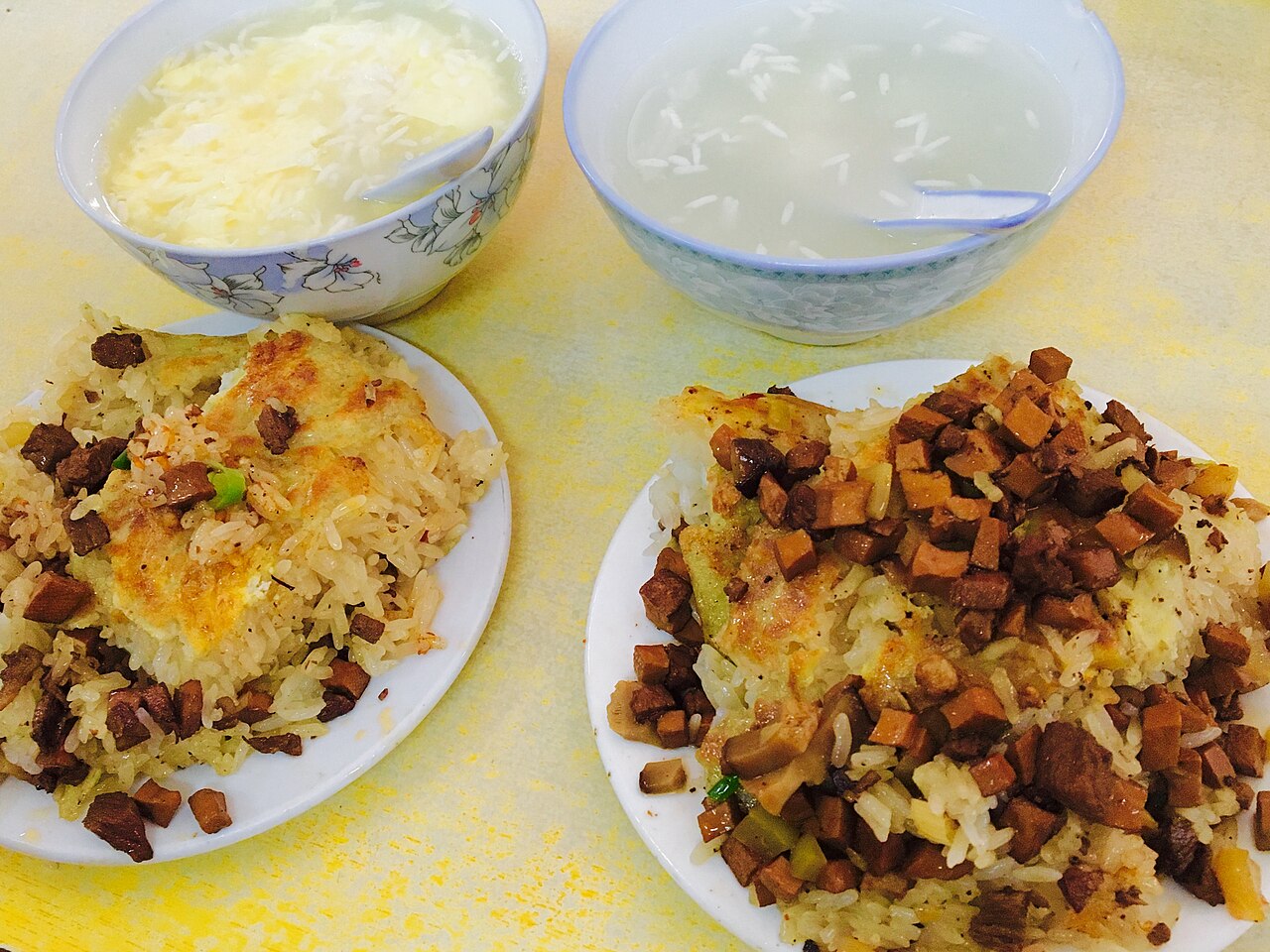
Crisp egg-glazed Doupi revealing savory glutinous rice filling inside, paired with cool fermented rice wine.
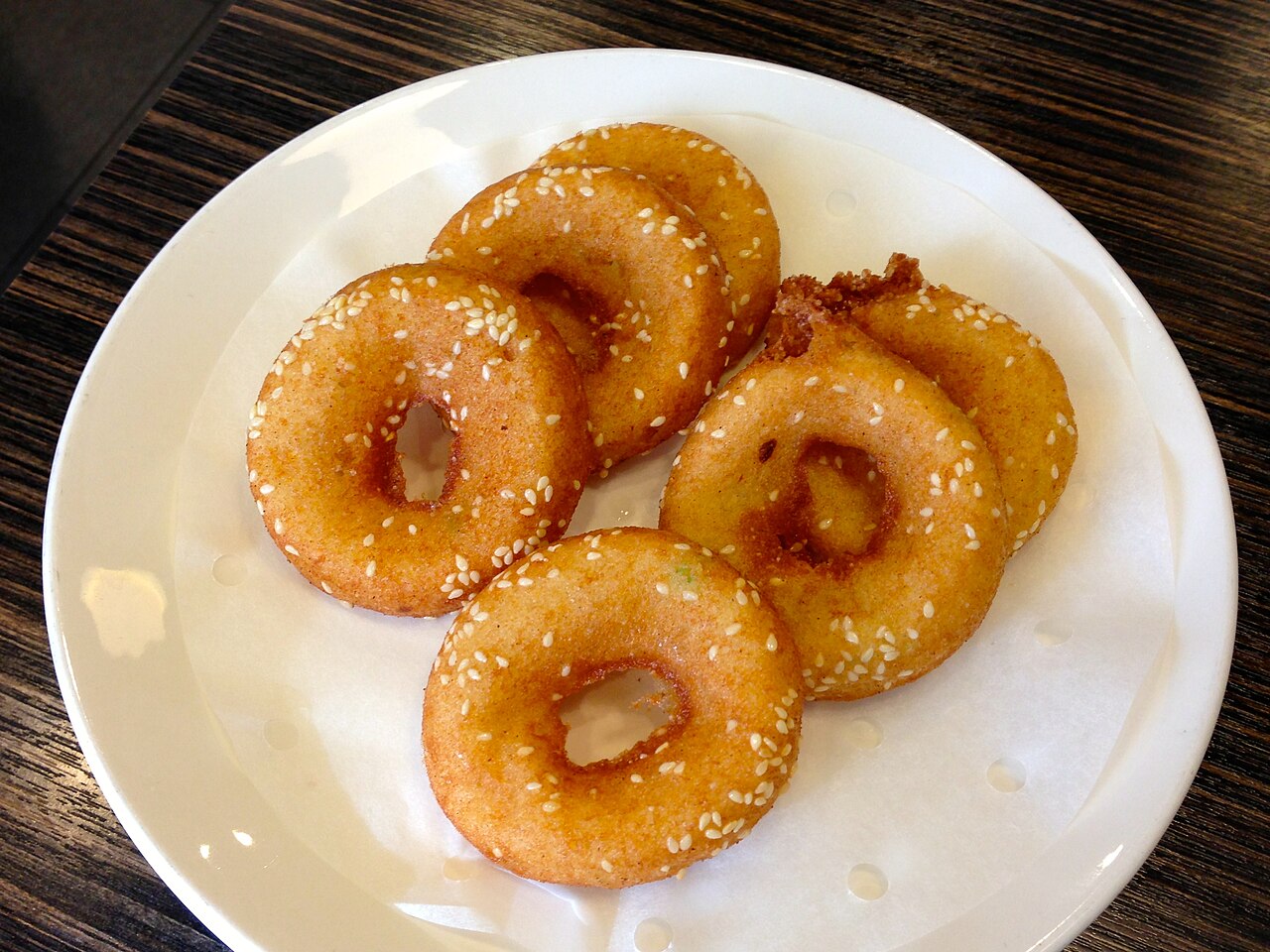
Deep-fried in a concave iron ladle with a raised center dome, Wuhan Mianwo delivers a fluffy golden savory ring around a wafer-crisp center.
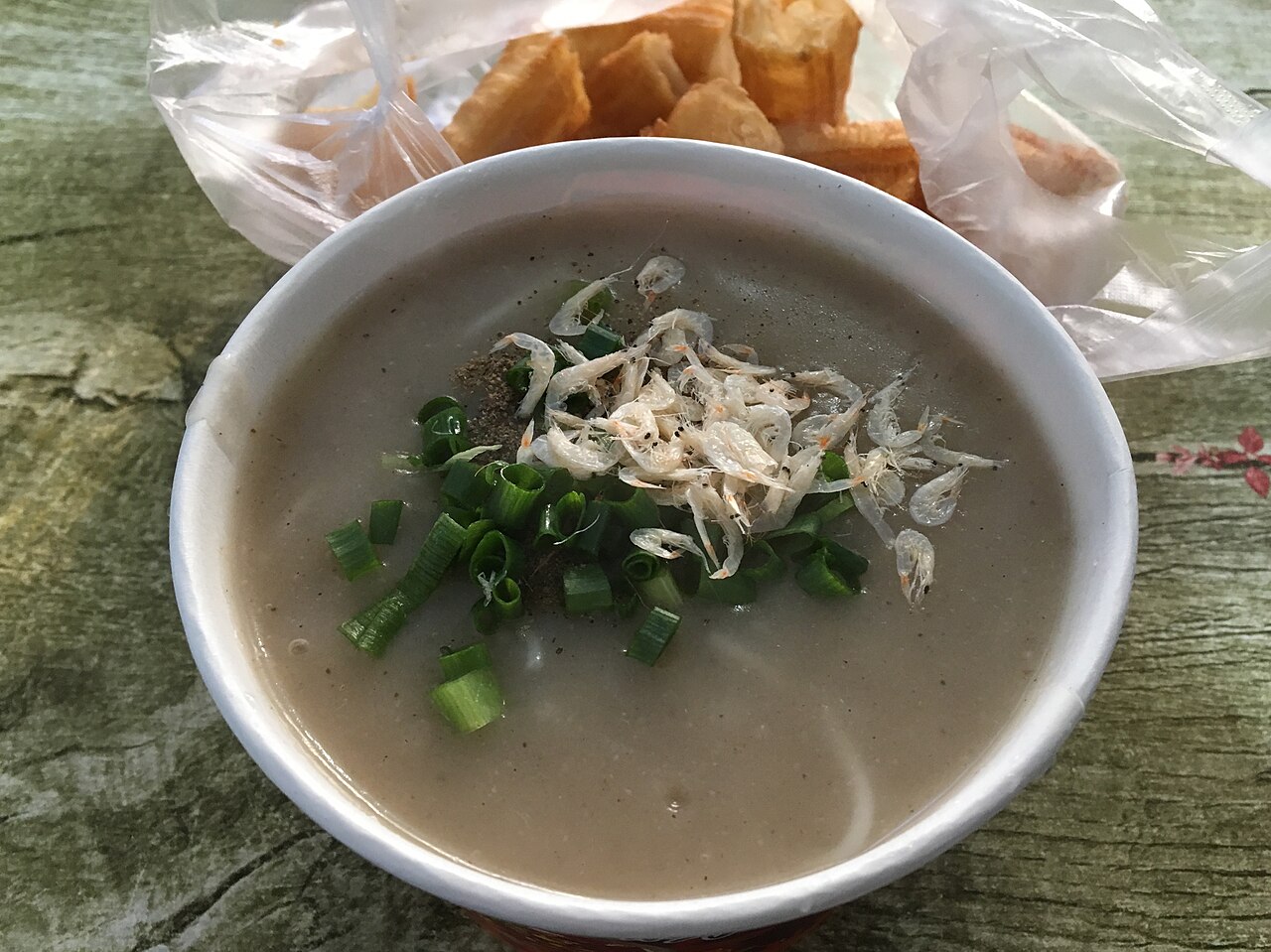
Fine rice noodles steeped in a thick, velvety crucian-carp broth charged with bold black pepper, dried shrimp, and scallions.
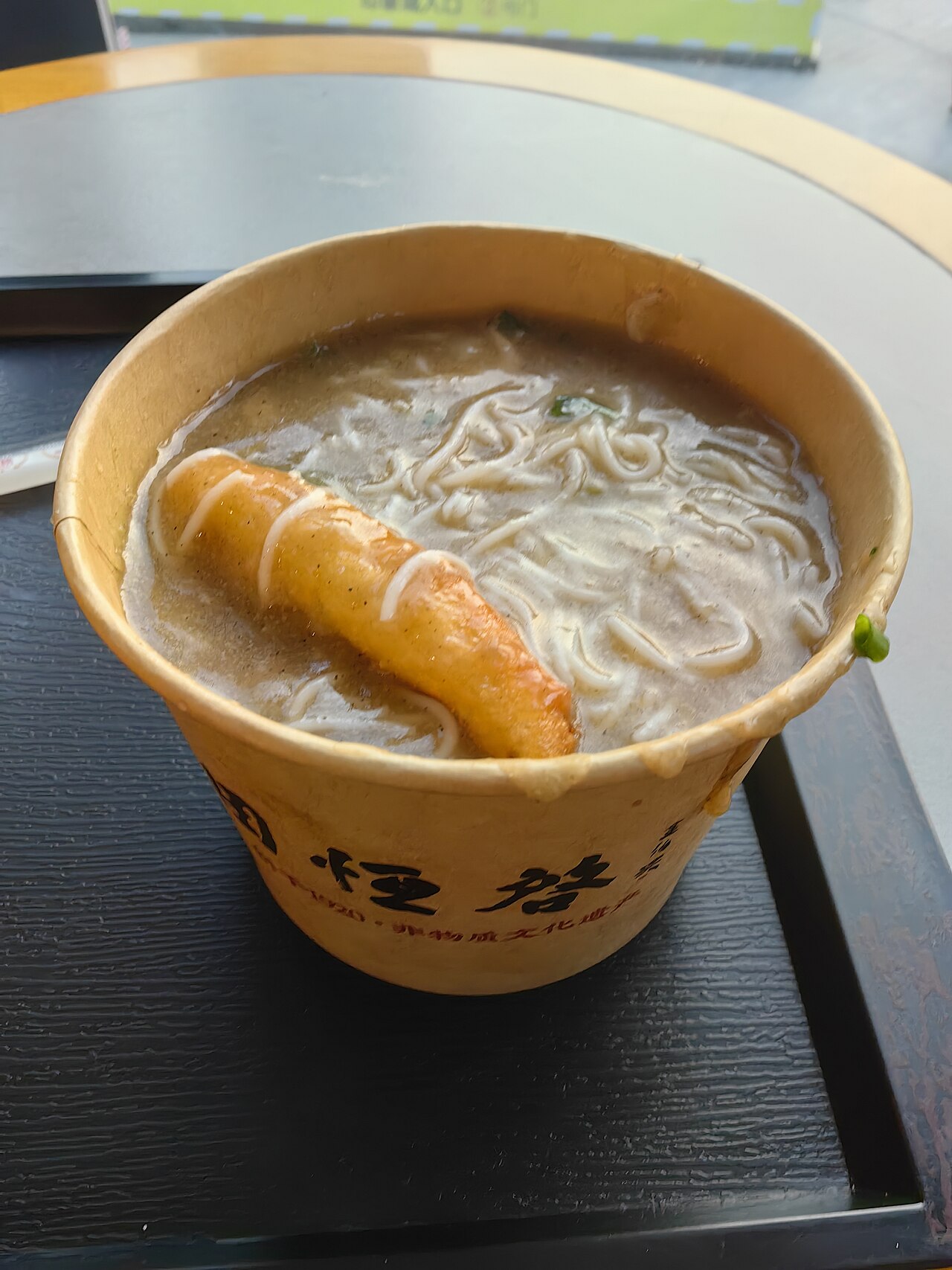
At historic Tian Heng Qi, crisp fried dough sticks (Youtiao) are dunked directly into thick, peppery carp-broth vermicelli.
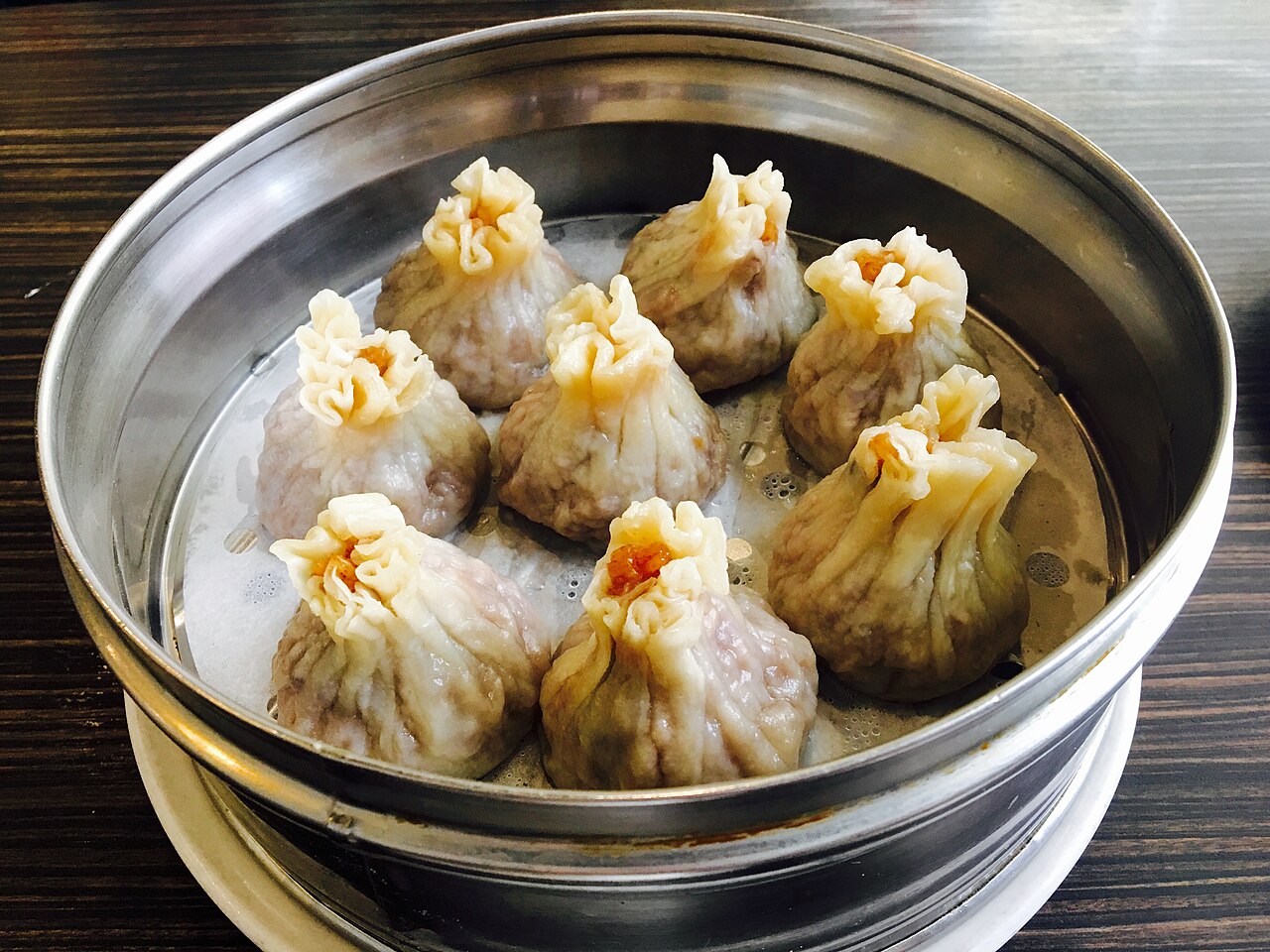
Thin, flower-pleated wrappers cradling glistening glutinous rice, diced pork, shiitake mushrooms, and an assertive kick of black pepper.
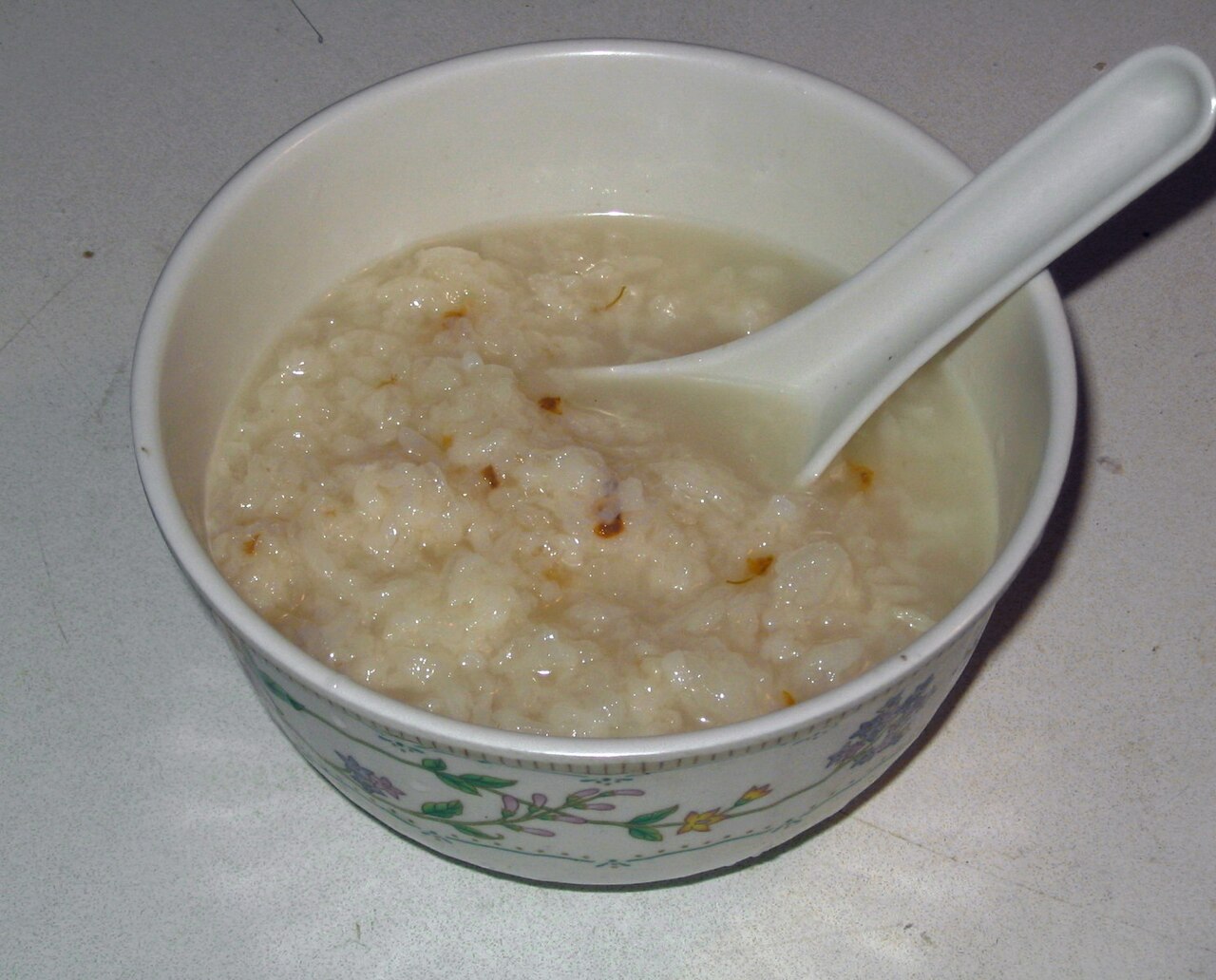
Fragrant fermented glutinous rice steeped in sweet mash liquor with osmanthus blossoms—enjoyed neat or whisked into hot egg-drop Danjiu alongside Reganmian.
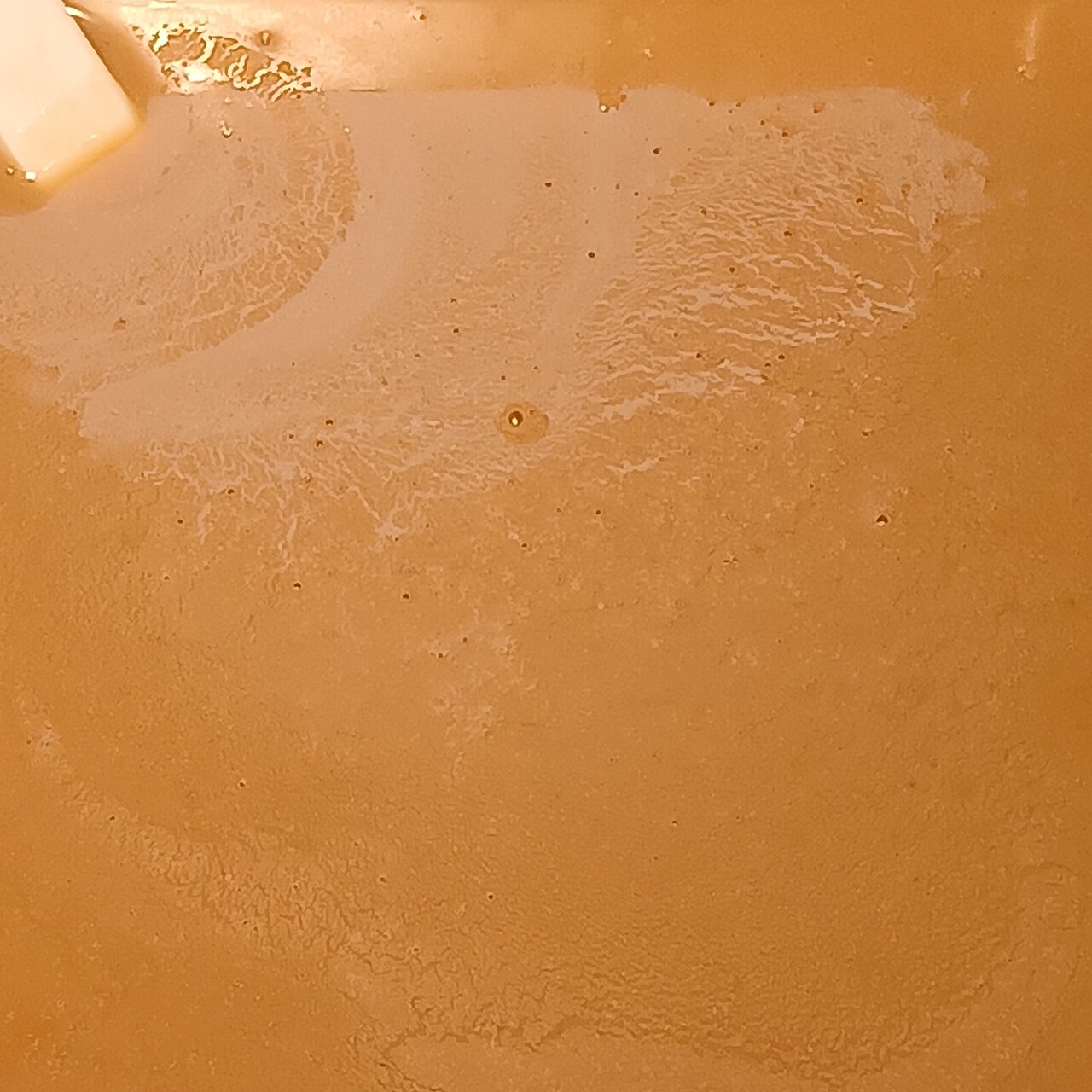
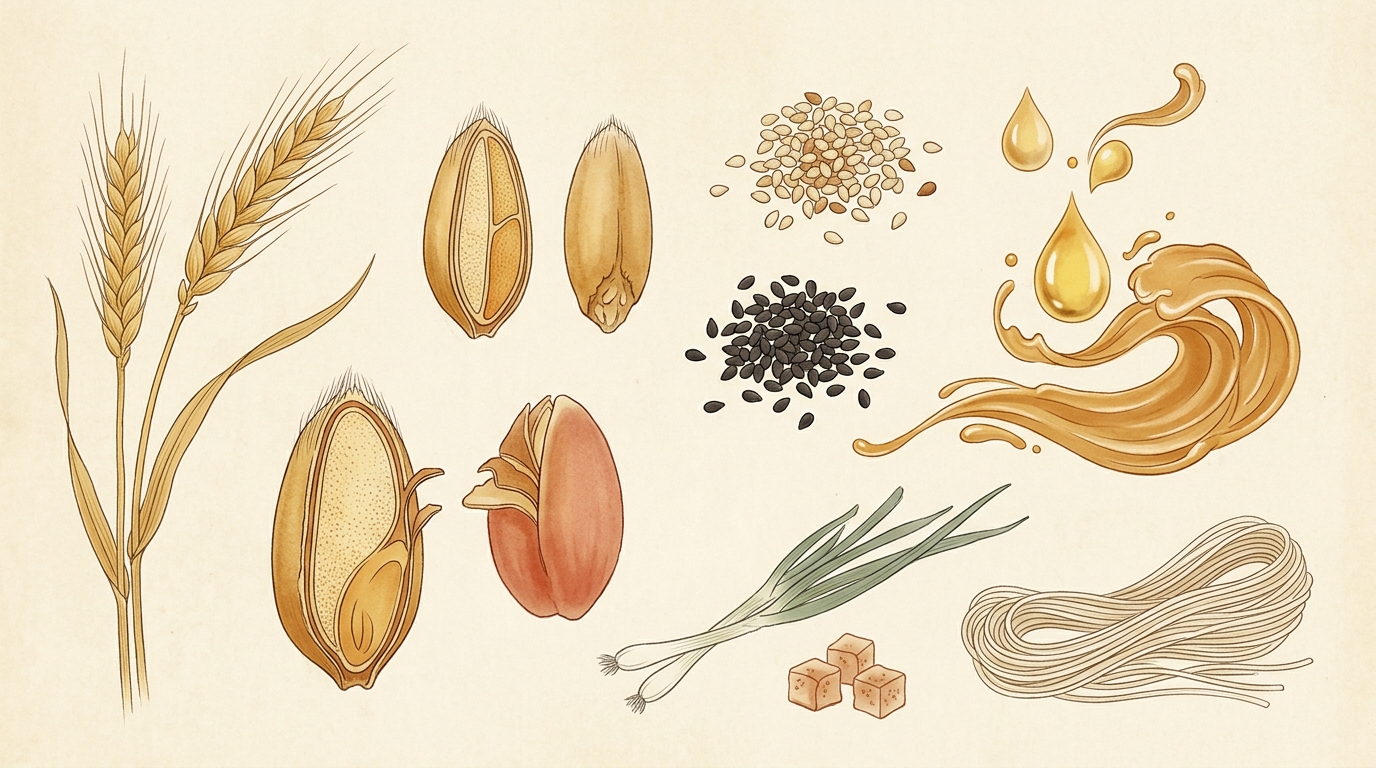
The soul of Reganmian: roasted sesame seeds stone-milled into a rich paste and thinned with sesame oil until it ribbons smoothly off a ladle.
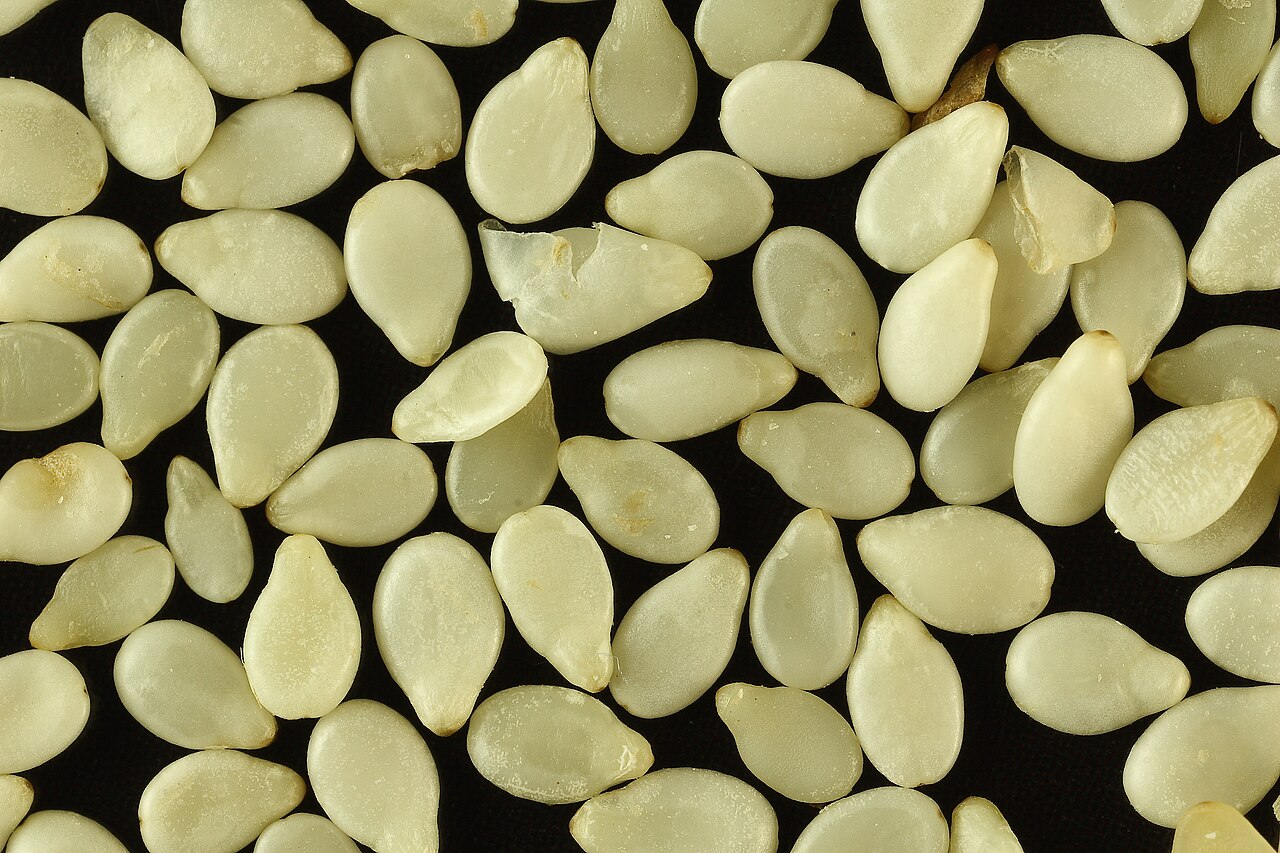
Hubei's fertile Jianghan Plain is China's premier sesame-growing heartland, yielding oil-rich seeds prized for aromatic paste.
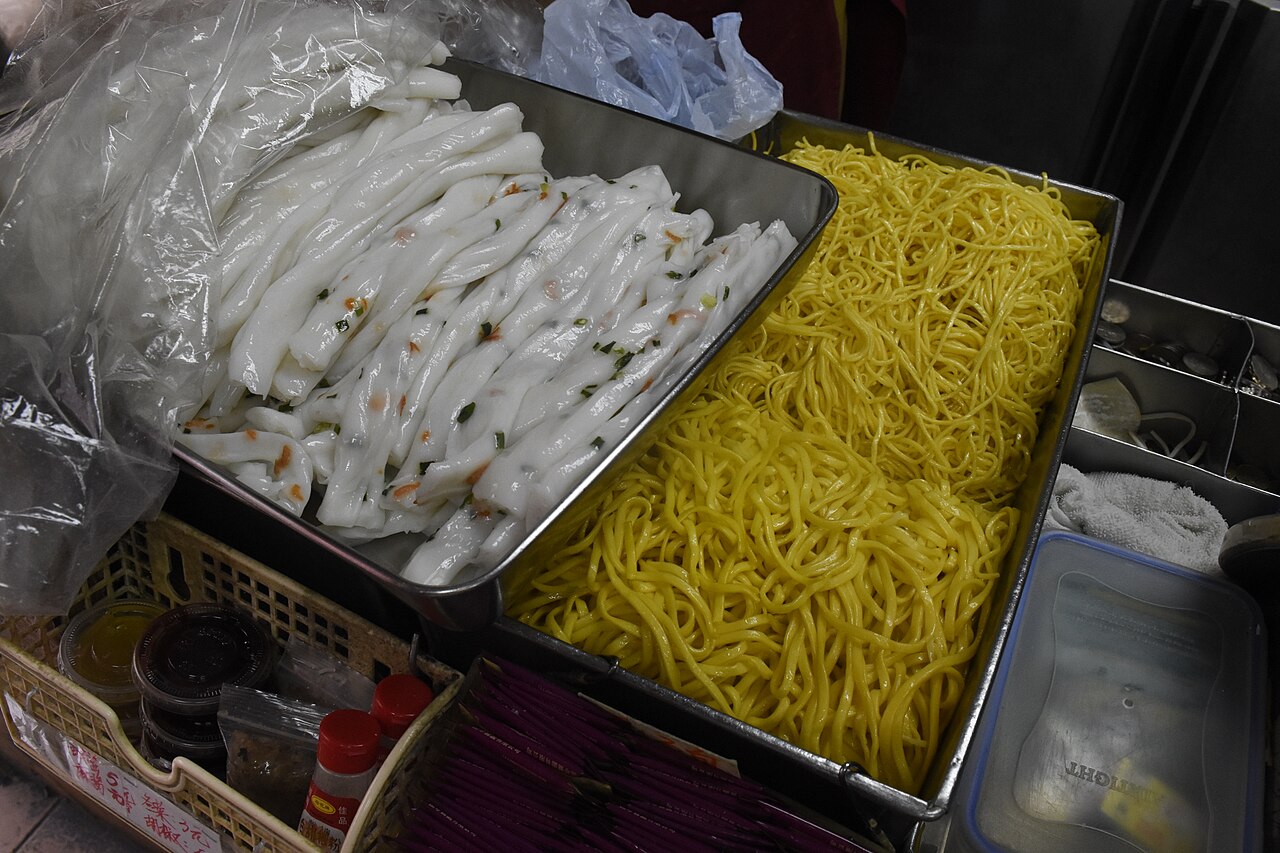
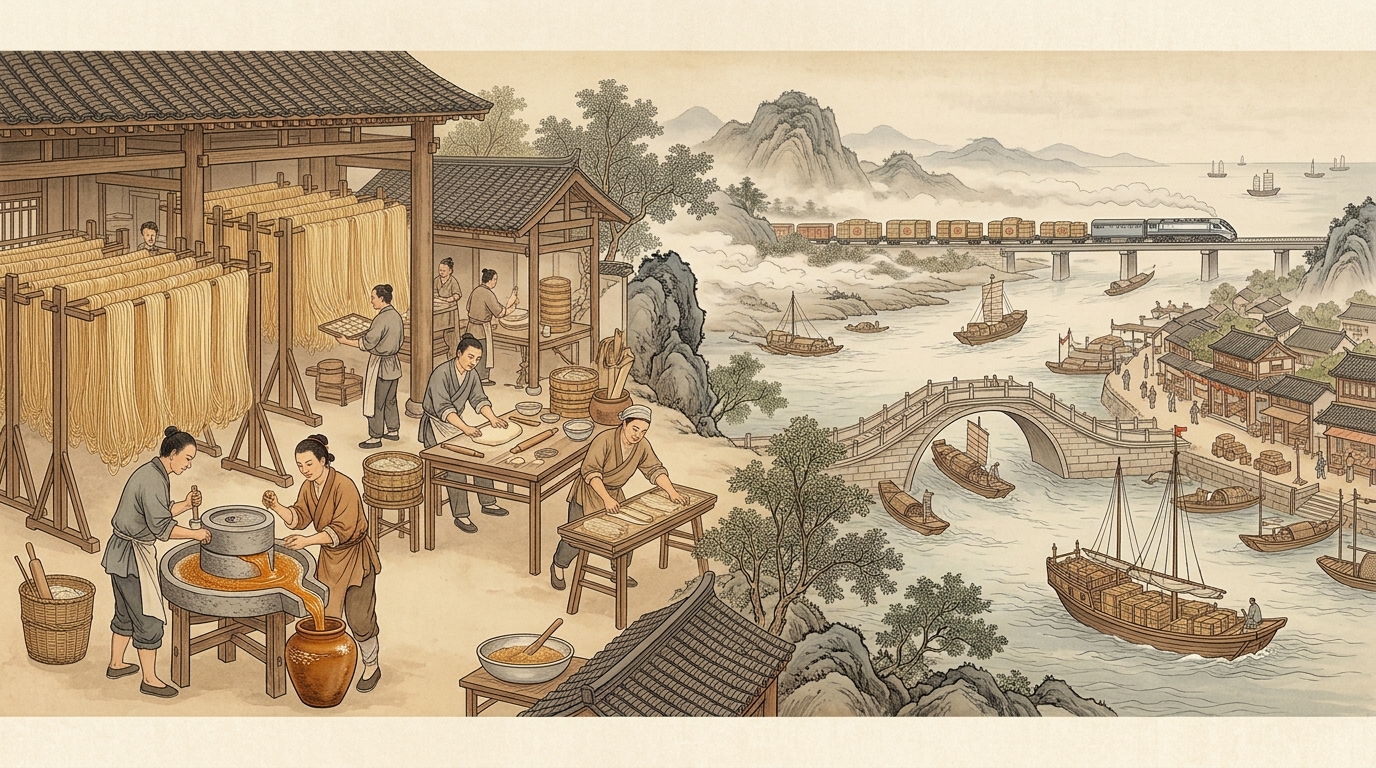
Crafted with high-gluten wheat flour and food-grade lye water (kansui), giving Reganmian its signature golden hue, alkaline aroma, and springy bite.
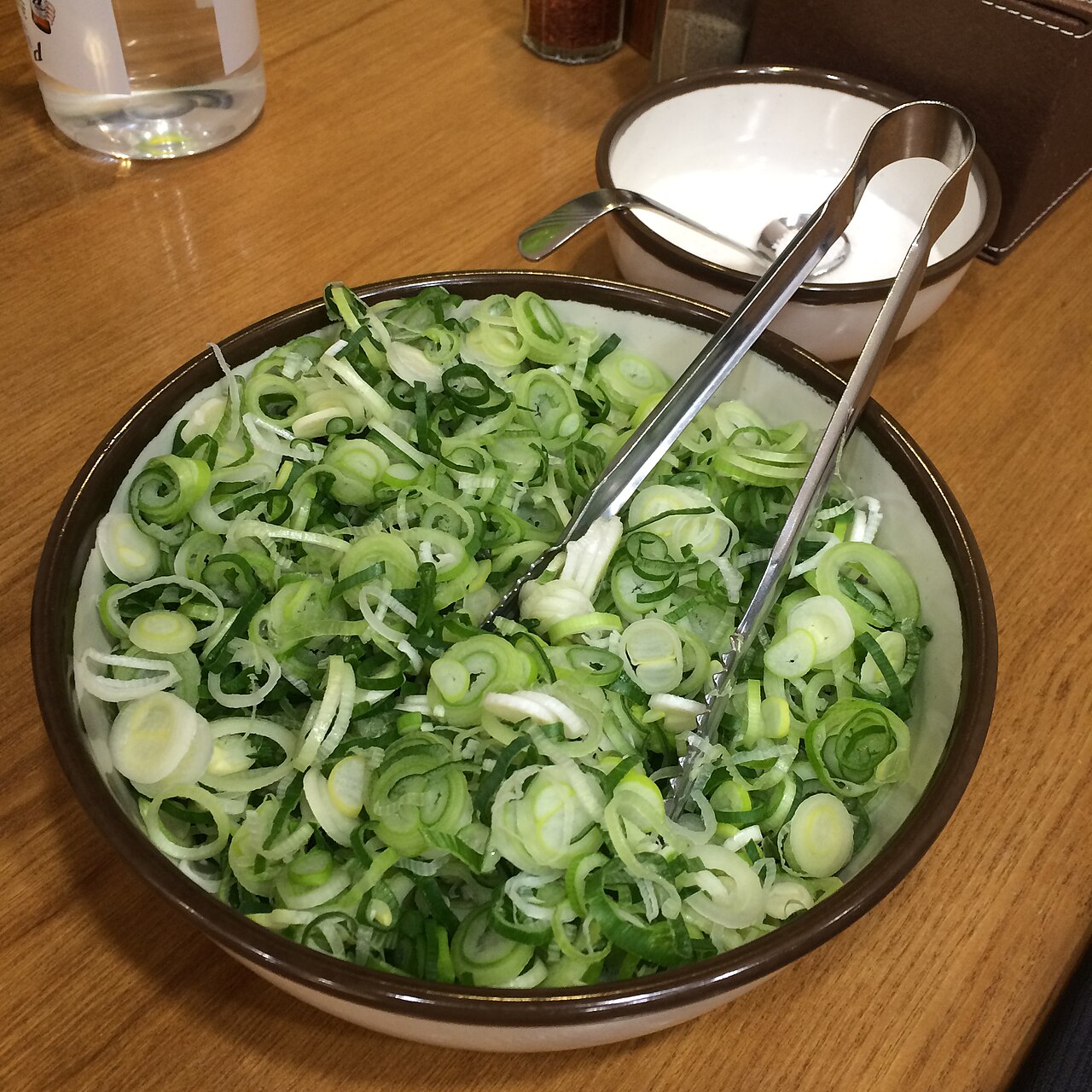
Scattered generously over steaming noodles so residual heat releases a bright herbal aroma that cuts through rich sesame paste.
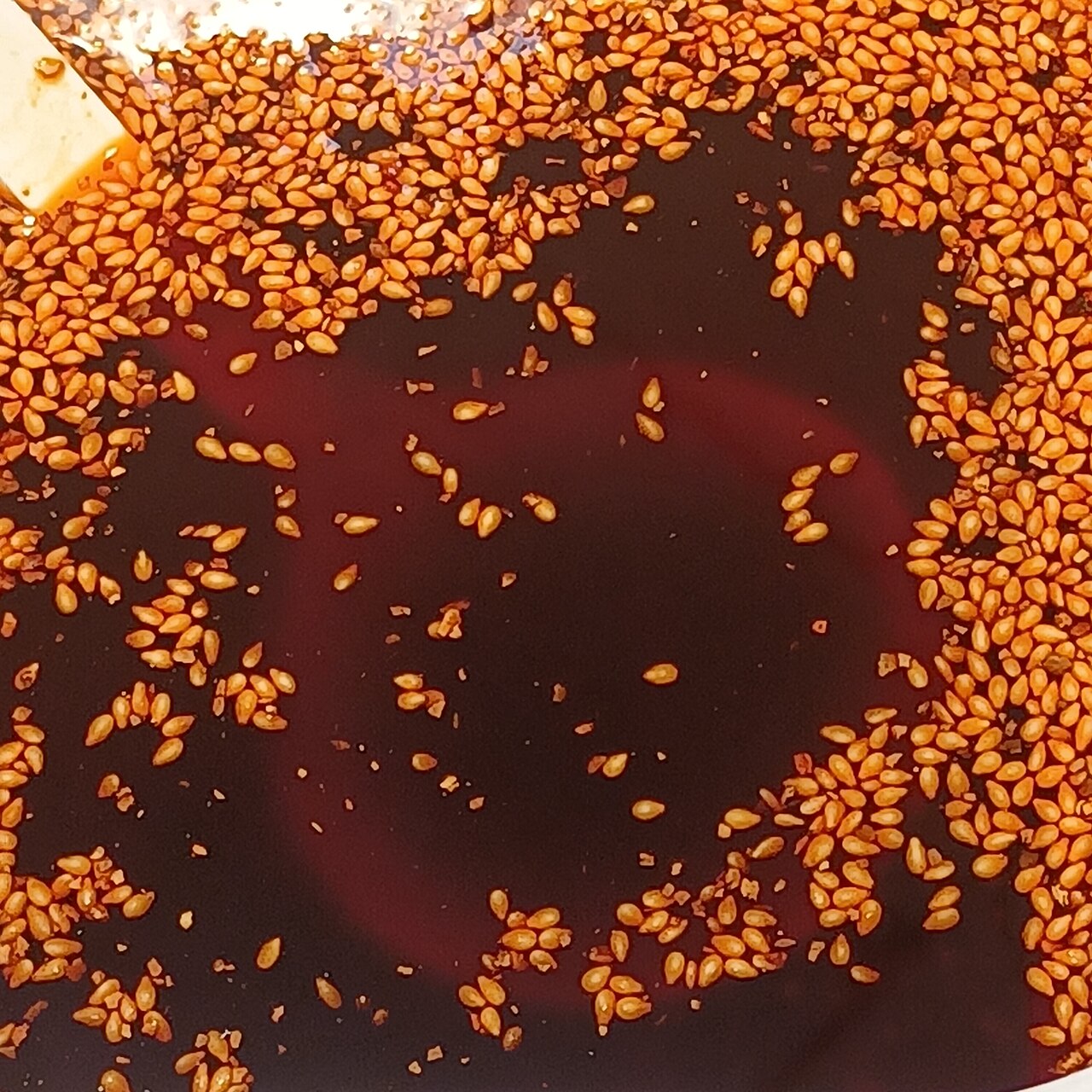
Crushed dried chilies and sesame seeds infused in hot oil for smoky aroma and crimson glow—added to taste at every Wuhan noodle counter.
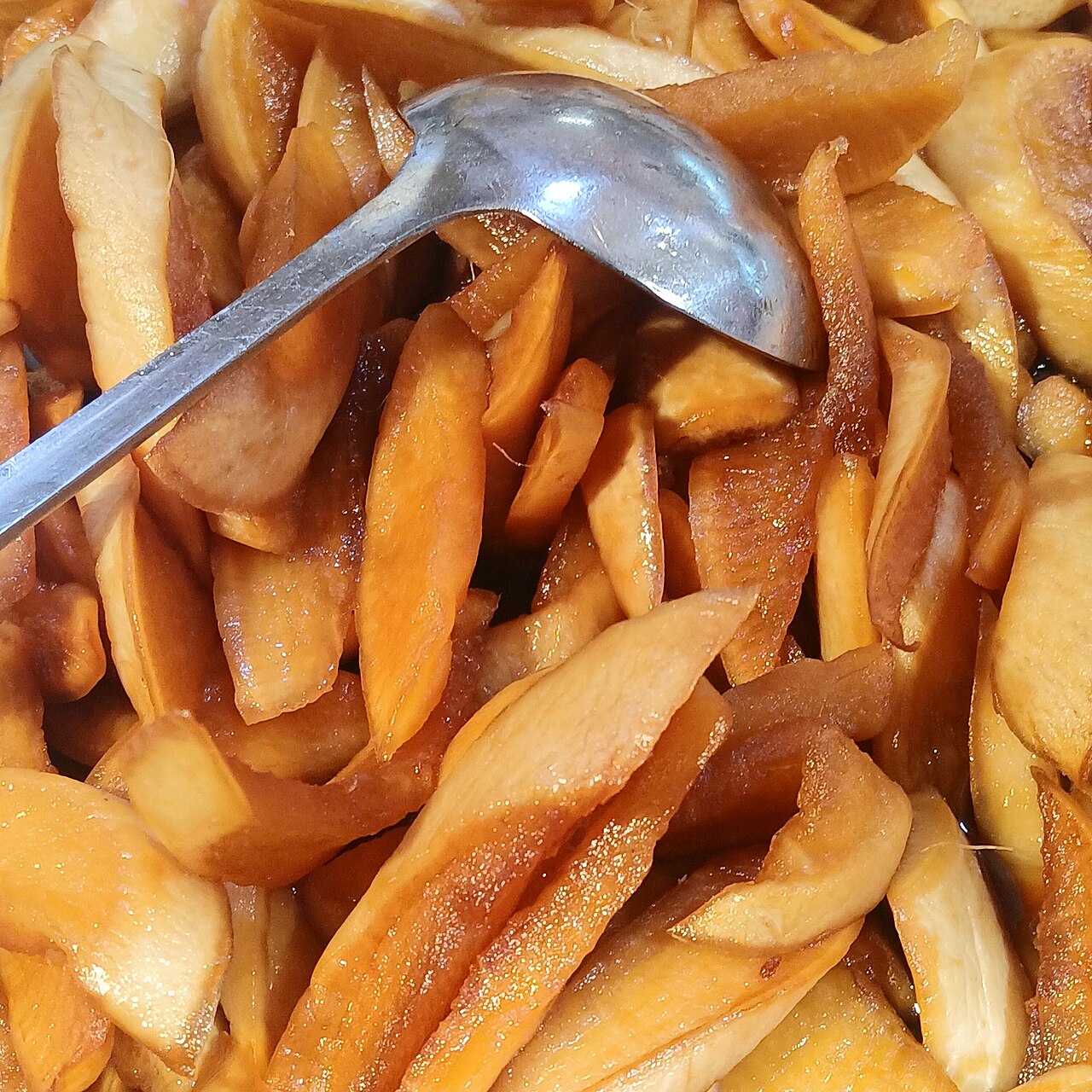
Crunchy cured daikon radish cubes marinated in savory soy brine, providing an essential crisp counterpoint to velvety noodles.
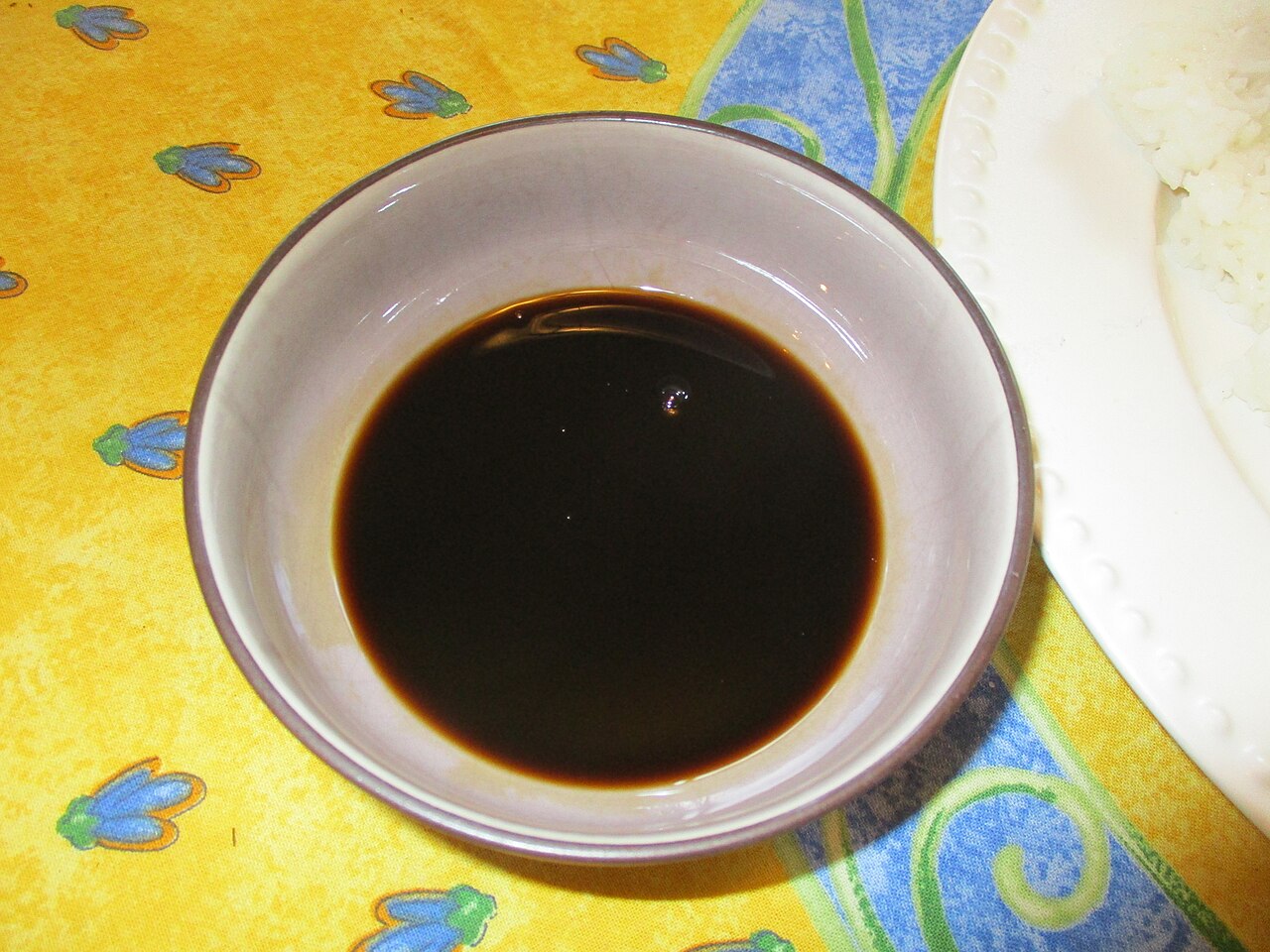
Beneath the sesame paste lies a savory backbone: light and dark soy sauces simmered with star anise, cassia, and bay leaves.
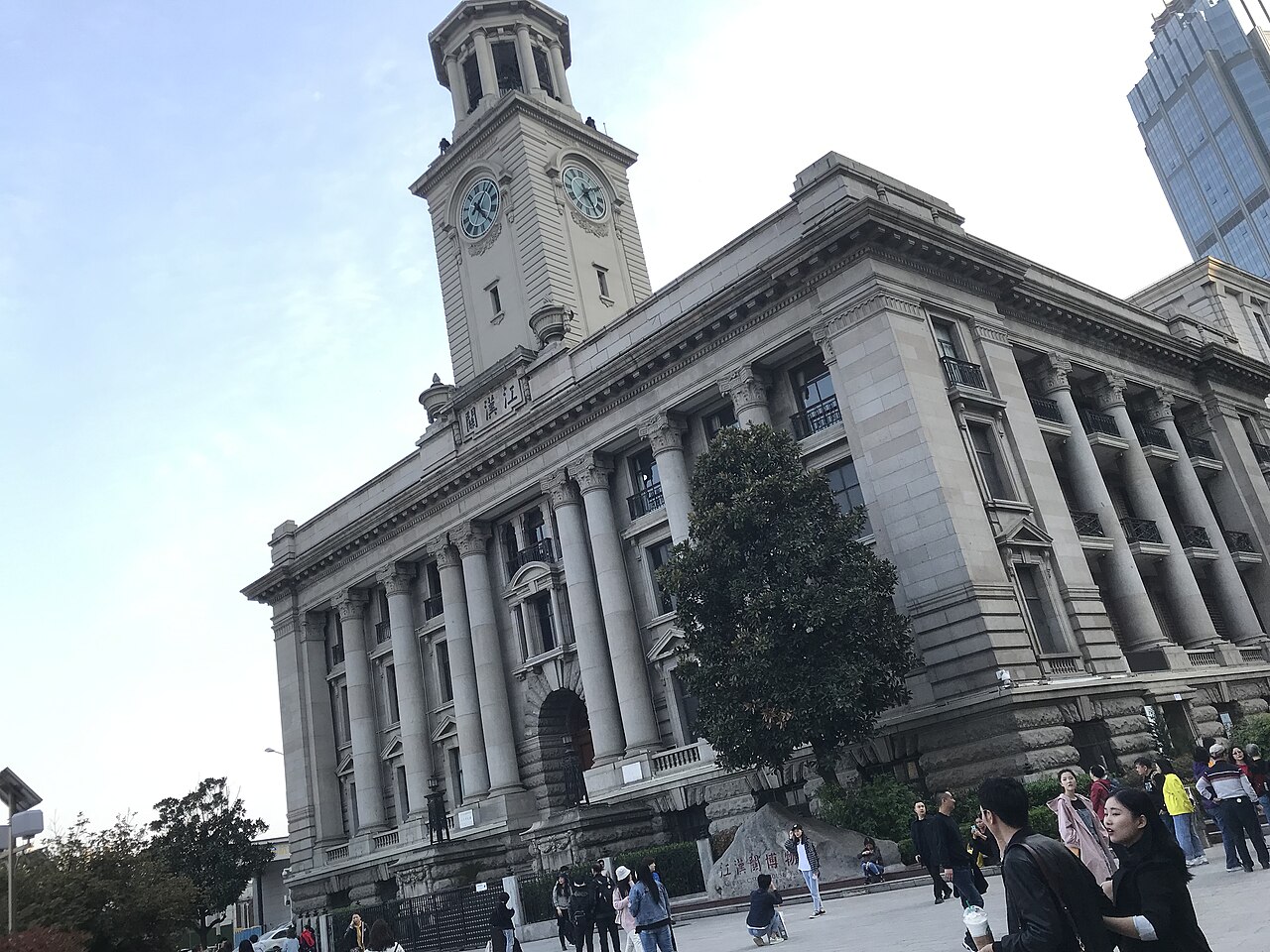
Completed in 1924 on the Hankou bund, the Hankow Customs House clock tower has chimed over a century of riverside morning Guozao.
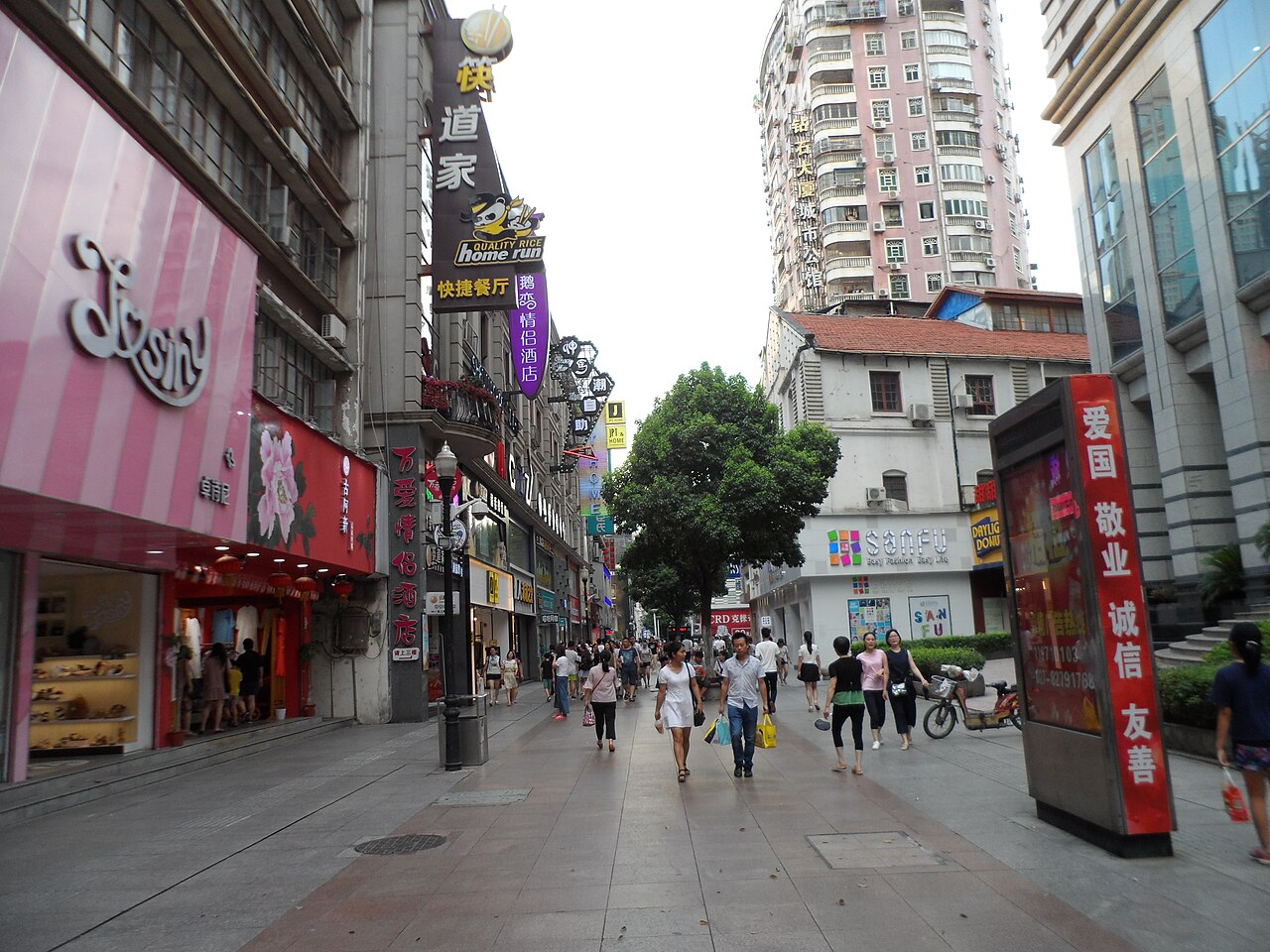
Lined with early-20th-century mercantile arcades near the birthplace of Reganmian in Old Hankou, Jianghan Road embodies Wuhan's commercial energy.
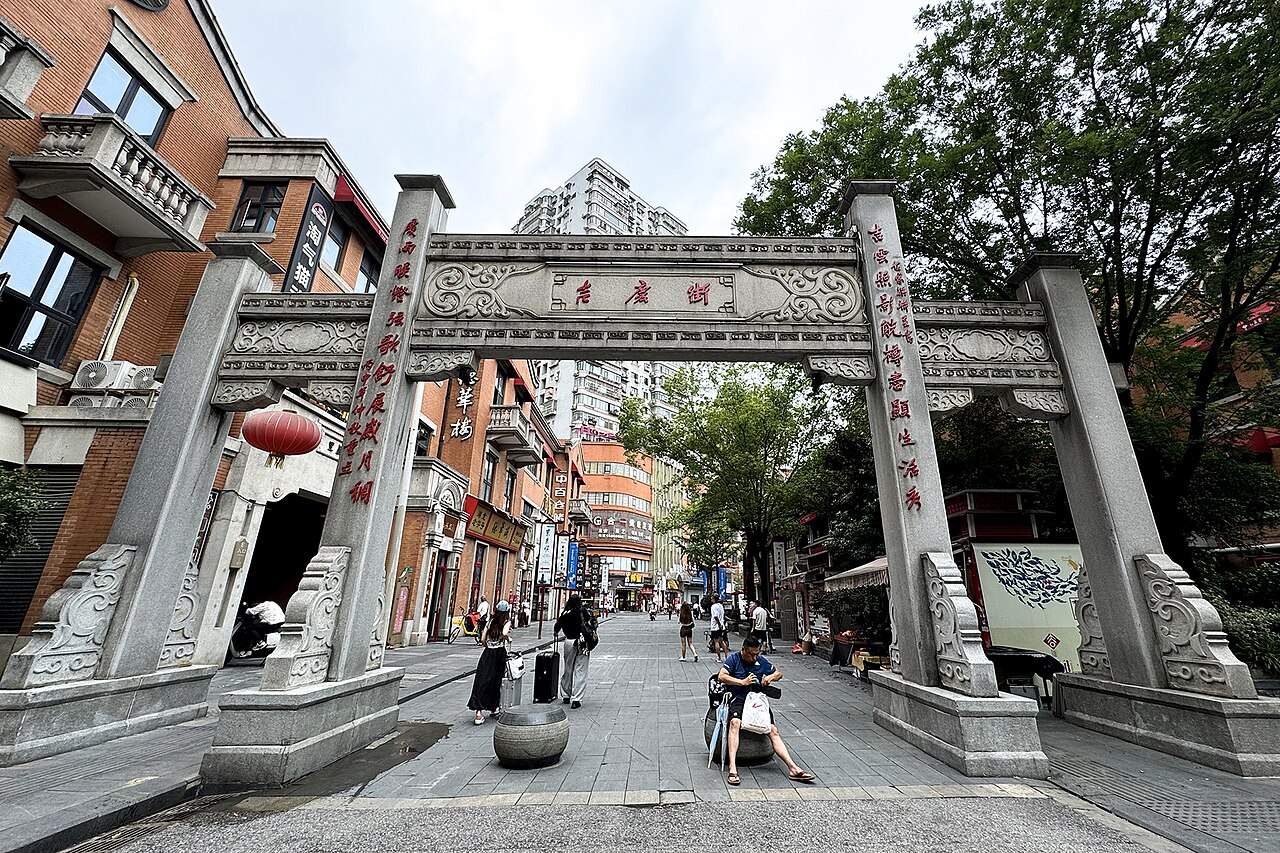
Famous for time-honored Guozao houses by morning and lively street musicians by night, Jiqing Street captures Hankou's folk spirit.
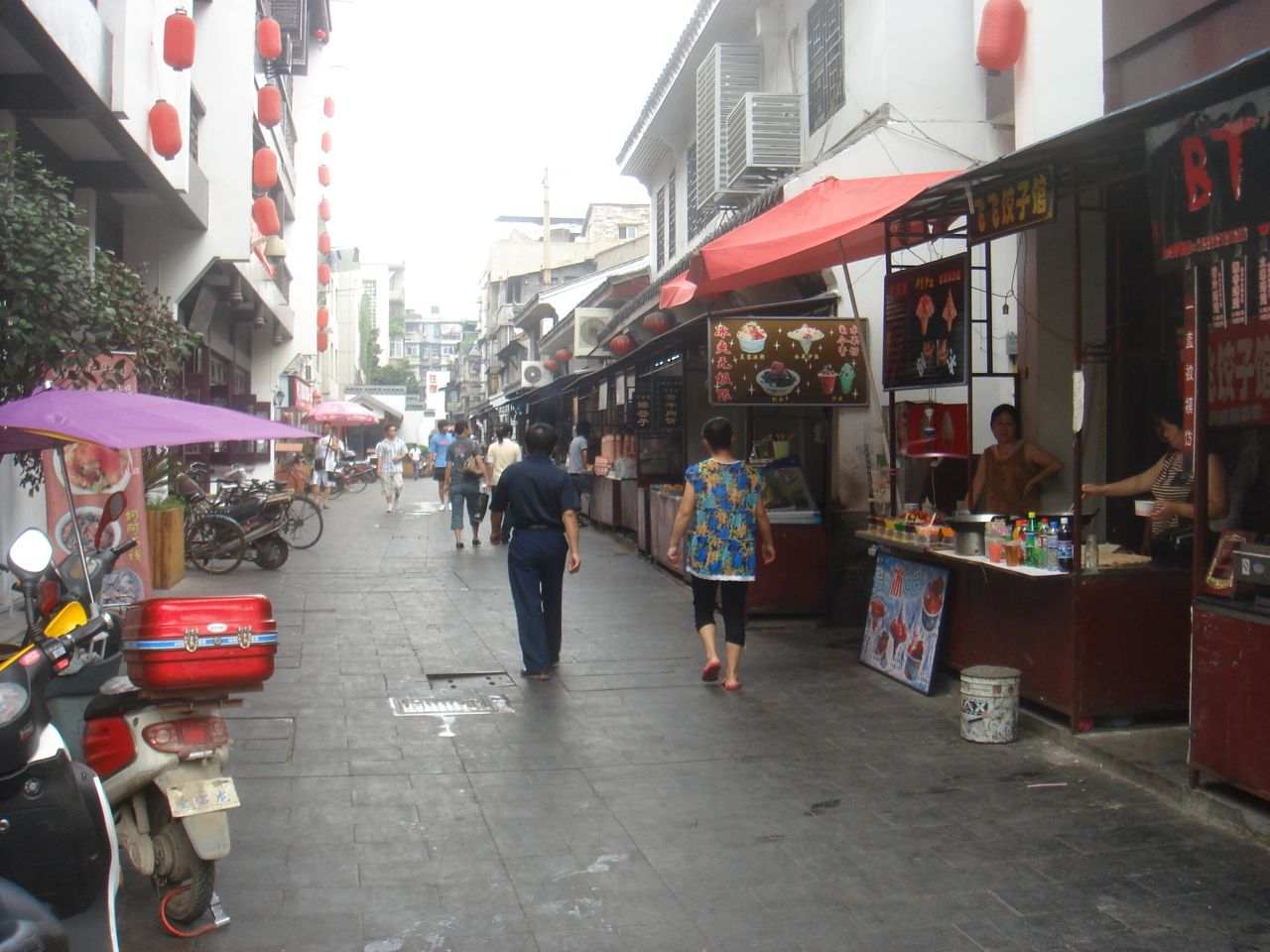
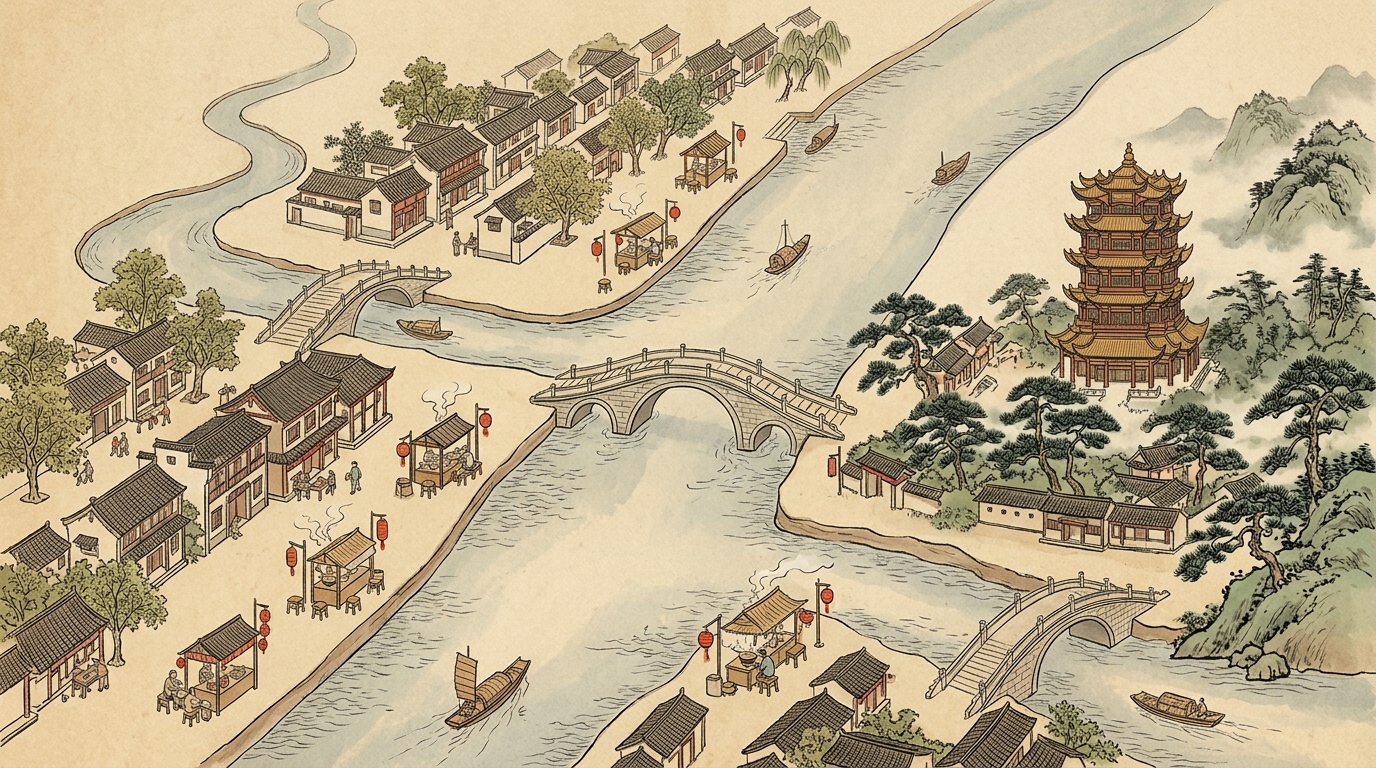
Paved in bluestone near Wuchang's riverside docks and hung with red lanterns, historic Hubu Alley earned renown as Wuhan's premier breakfast lane.
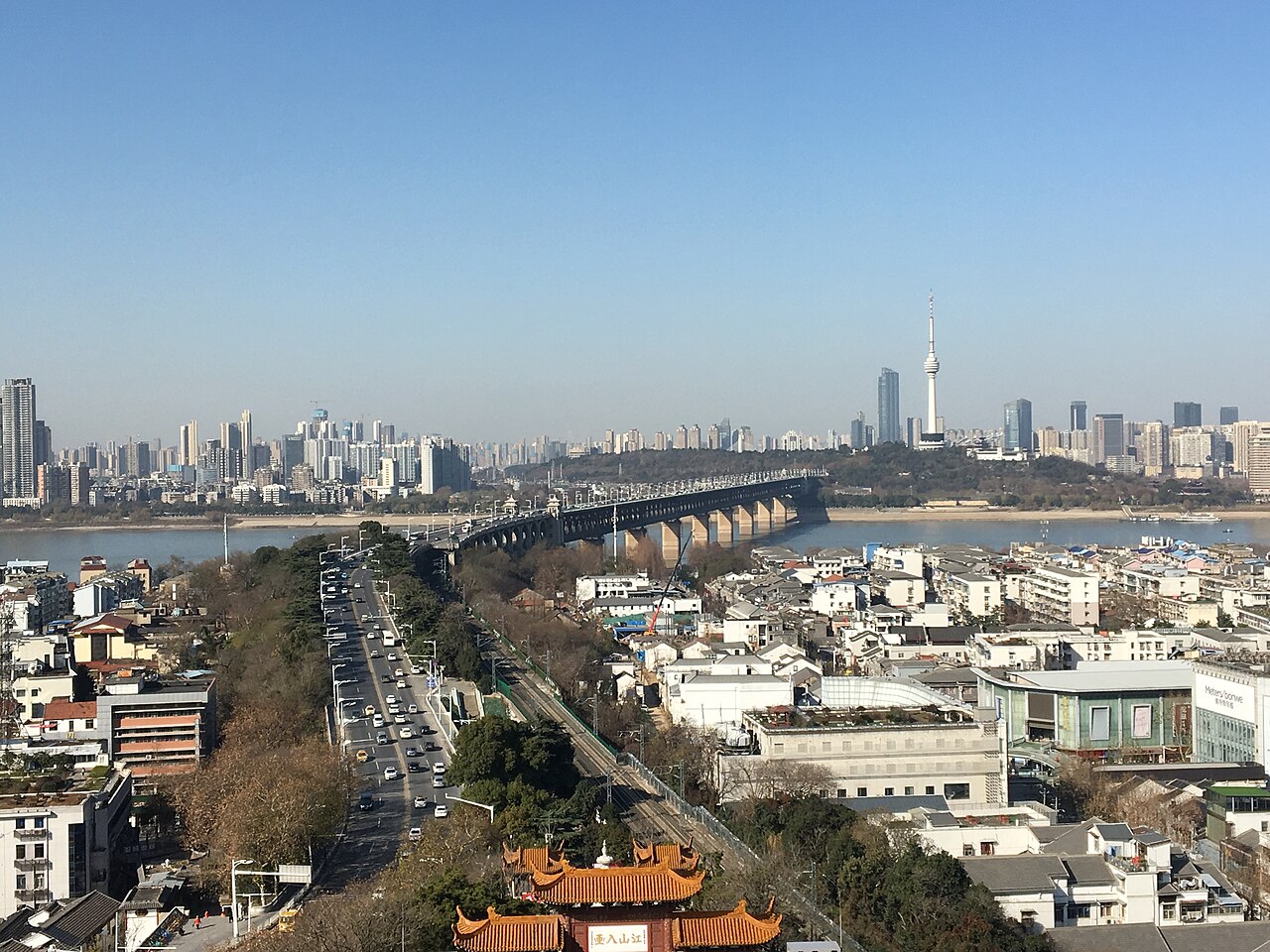
Opened in 1957 as the first rail-and-road bridge across the Yangtze, uniting Wuhan's Three Towns and their shared culinary identity.
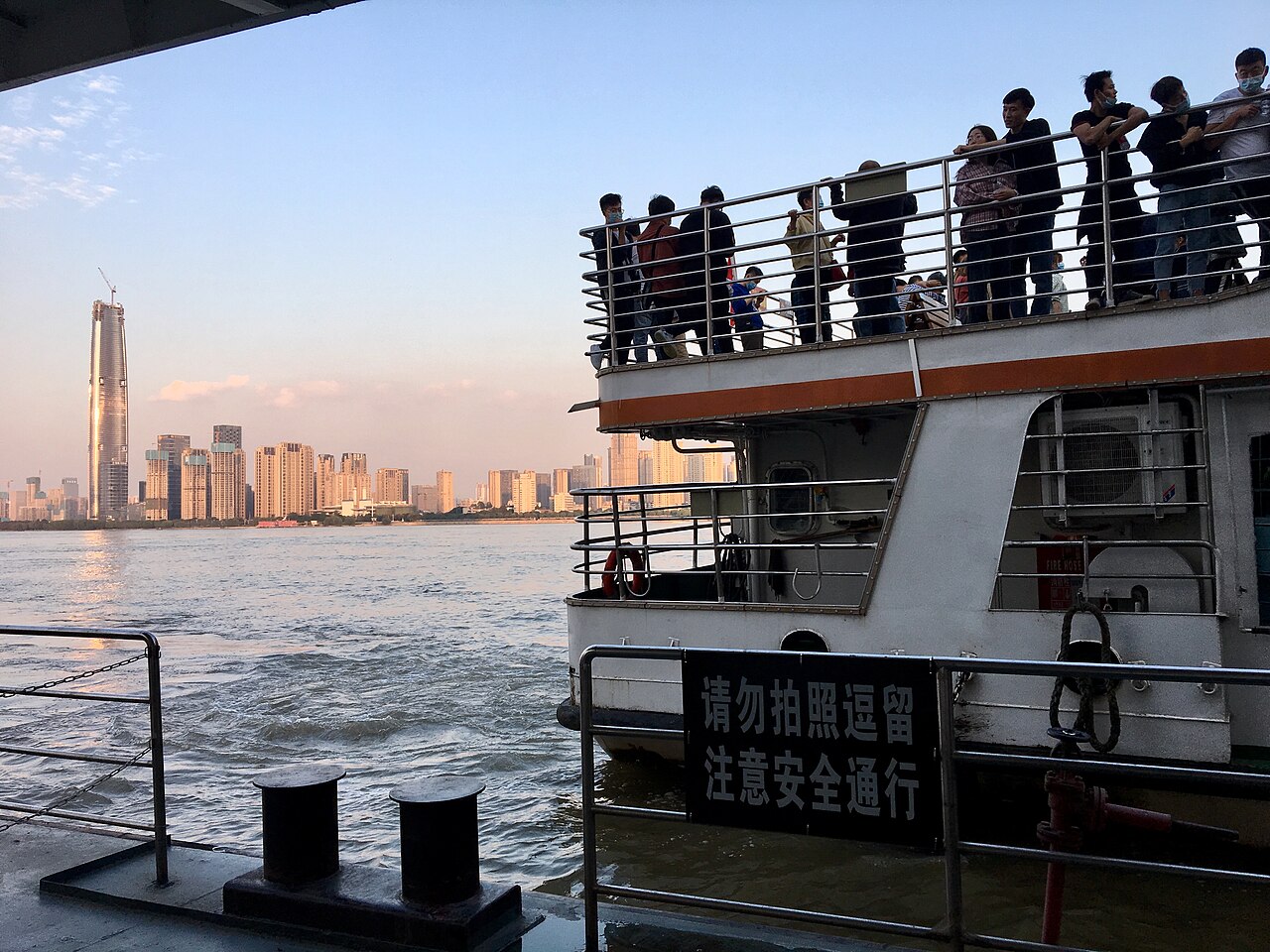
Generations of commuters carried paper bowls of brothless Reganmian aboard the Yangtze ferry—a dish engineered for life on the move.
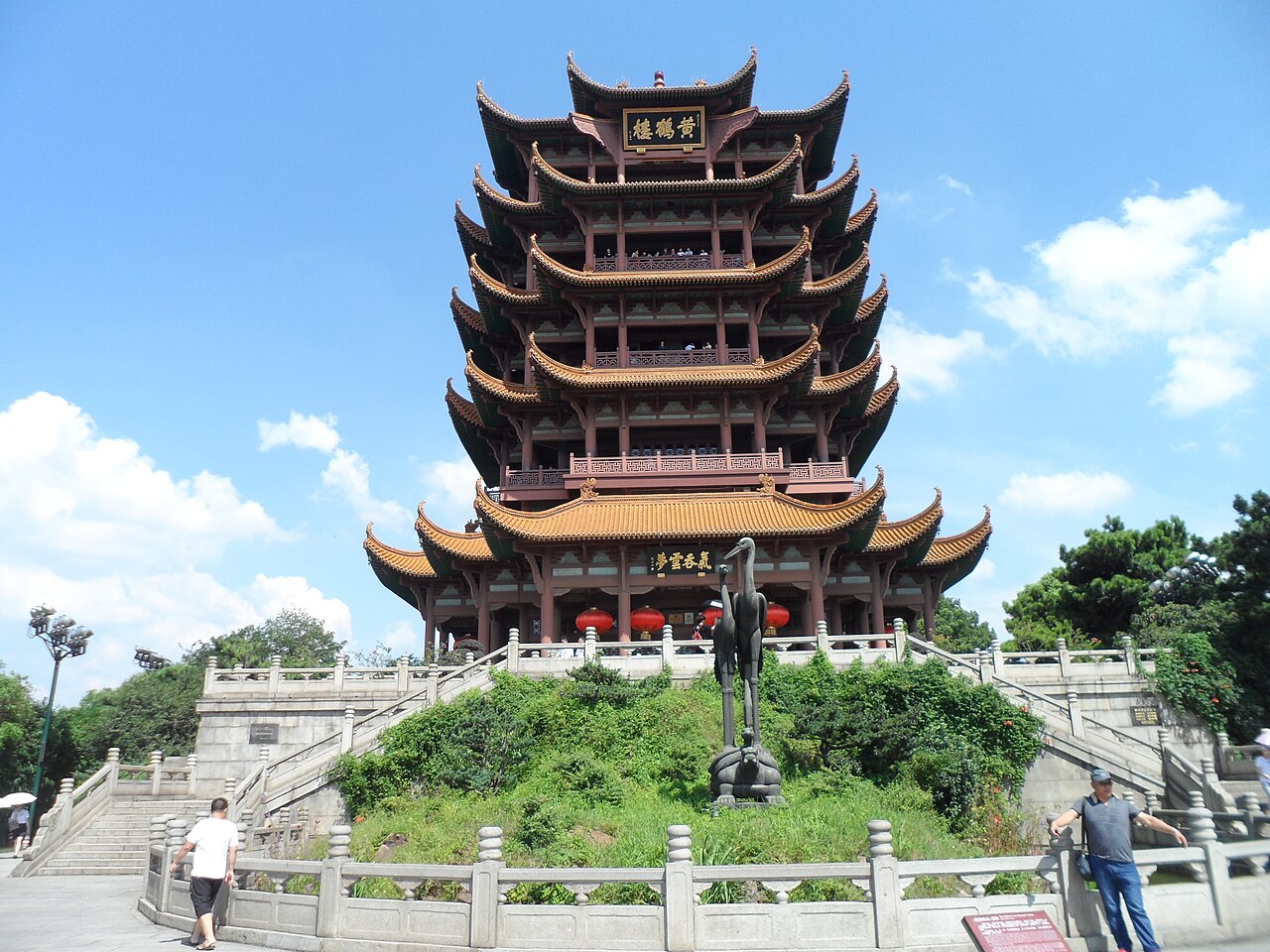
Rising above Snake Hill just steps from Hubu Alley's steaming noodle stalls, Yellow Crane Tower anchors Wuhan's cultural skyline.