Official Technical Standards: Hubei DB42 Specifications Decoded
Inside DBS 42/005 Food Safety Mandates, Sesame Purity Floors, and DB 4201/T 699
A clause-by-clause technical breakdown of Hubei Provincial Food Safety Standard DBS 42/005 and Wuhan Municipal Standard DB 4201/T 699-2024—examining non-fried moisture ceilings, alkaline pH windows, the 50% pure-sesame rule, and ISO nomenclature.
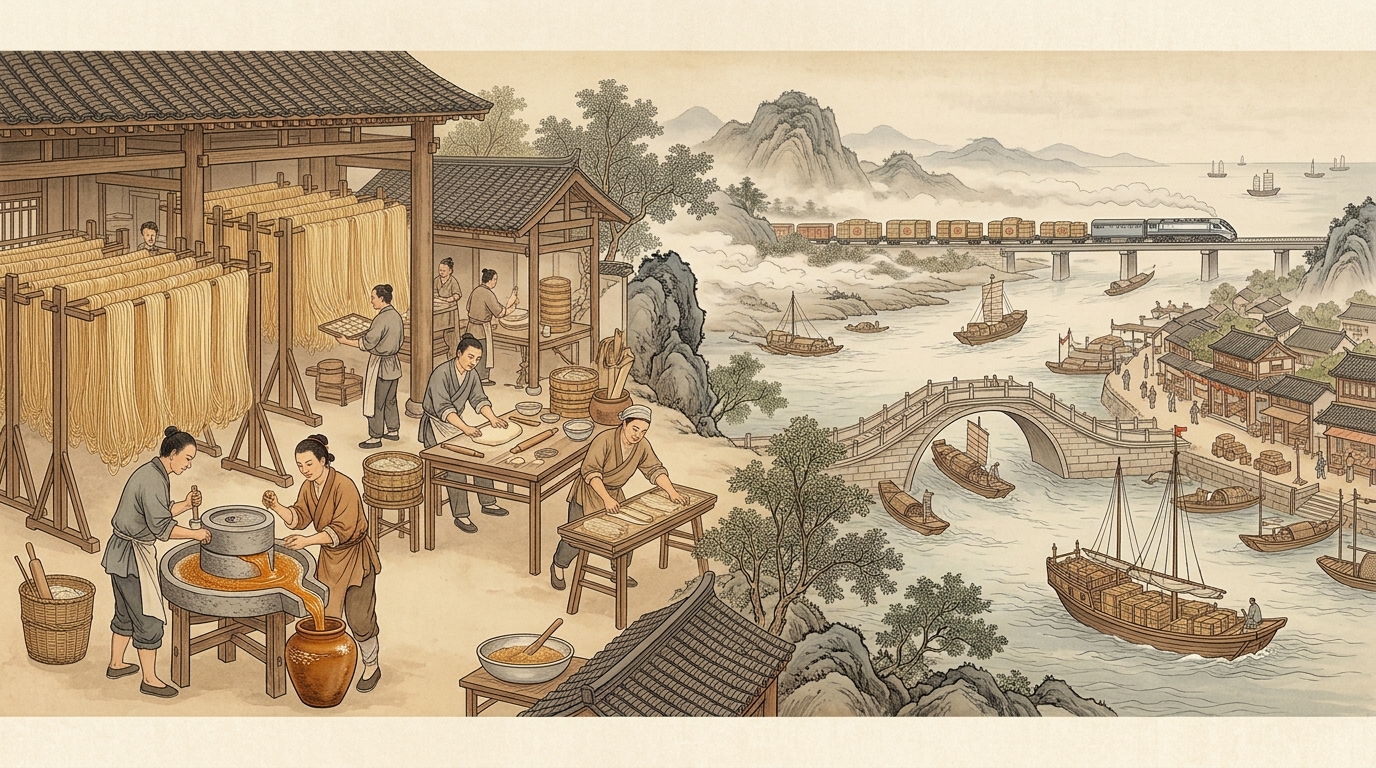
Codifying a Street Classic: Why Regional Noodles Need Hard Law
Whenever a beloved street food transitions from neighborhood cauldrons to nationwide supermarket aisles, Gresham’s Law threatens to take hold: cut-rate imitators flood online channels with plain white noodles dyed yellow and “sesame sauces” bulked out with roasted soybean flour, eroding consumer trust in the regional name. Facing explosive growth in packaged retail and central-kitchen wholesaling during the 2010s, food regulators in Hubei Province and Wuhan Municipality stepped in to translate nearly a century of artisanal consensus into enforceable physicochemical law.
“Without alkaline backbone, the strand collapses; without true sesame marrow, the sauce deceives. Only clear weights and measures preserve the honest flavor of the Three Towns.”
This regulatory architecture rests on two landmark pillars: DBS 42/005 (Local Food Safety Standard: Wuhan Reganmian — Instant Type), first promulgated by the Hubei Provincial Health Commission in 2015 and refined through 2021 and 2022 revisions; and DB 4201/T 699-2024 (Specification for Production Management of Wuhan Reganmian), enacted by the Wuhan Market Regulation Administration in 2024 to govern everything from pre-dawn wet-noodle central factories to quick-frozen export lines.
The Four Physicochemical Pillars of DBS 42/005
Before DBS 42/005 existed, packaged Reganmian manufacturers had to cobble together compliance using generic national standards for deep-fried instant ramen or plain dried vermicelli—neither of which accounted for alkaline dough chemistry or high-lipid sesame emulsions. Hubei’s provincial standard established four non-negotiable benchmarks:
1. Non-Fried Dehydration & The 14.0% Moisture Ceiling
Authentic Reganmian relies on dense, smooth gluten elasticity rather than the porous, spongy crumb of palm-oil-fried ramen. DBS 42/005 stipulates that dried convenient Reganmian cakes must be produced via non-fried thermal drying after steaming or boiling gelatinization, holding final noodle-block moisture strictly at ≤ 14.0%. This suppresses mold growth and lipid rancidity across a six-to-ten-month ambient shelf life without adding deep-frying fats.
2. Verifying Alkaline Identity (pH 7.2 – 9.2)
Food-grade sodium carbonate and potassium carbonate give jianshuimian (alkaline noodles) their tighter disulfide protein crosslinking and natural canary-yellow hue (via wheat flavonoid shift). To stop counterfeiters from substituting neutral white noodles colored with tartrazine, the standard mandates an aqueous extract pH between 7.2 and 9.2, paired with zero-tolerance screening against borax (sodium tetraborate), an archaic and toxic अवैध stiffening agent long banned under Chinese food safety law.
3. The 50% Pure Sesame Rule & Lipid Freshness
Sesame paste represents the single costliest raw material in the bowl. Under DBS 42/005, the sesame seasoning packet must contain no less than 50% pure sesame seed ingredients. Producers may blend in modest proportions of peanut paste (honoring Wuhan’s classic 80/20 erba school), small-mill sesame oil, or spices, but starch-heavy or soy-flour imitations cannot legally bear the standard’s mark. Furthermore, lipid oxidation is tightly policed: Acid Value ≤ 3.0 mg/g (as fat), Peroxide Value ≤ 0.25 g/100g, and Aflatoxin B₁ ≤ 20 μg/kg under national mycotoxin code GB 2761.
4. Ready-to-Toss Microbiological Rigor
Because diners drain the cooking water and toss hot noodles directly with unboiled sauce and pickled vegetable packets, condiment sachets function as ready-to-eat foods. Five-class sampling plans (n=5, c=2) cap total plate counts and coliforms, while Salmonella and Staphylococcus aureus face an absolute zero-tolerance threshold in 25-gram samples.
Six Standardized Industrial Formats Under DB 4201/T 699-2024
While DBS 42/005 policed retail packages, Wuhan’s 2024 municipal standard DB 4201/T 699-2024 unified factory hygiene, cold-chain logistics, and traceability across all six commercial manifestations of Wuhan Reganmian:
| Official Product Class | Governing Code | Core Processing Definition | Mandatory Physicochemical / Temp Control | Typical Shelf Life & Primary Channel |
|---|---|---|---|---|
| Instant Dried (Fangbian Ganmian) | DBS 42/005 & DB 4201/T 699 | Steamed/boiled alkaline strands + non-fried hot-air drying + sauce packs | Moisture ≤ 14.0%; pH 7.2–9.2; Sesame purity ≥ 50% | 6–10 months ambient; supermarkets & global export |
| Instant Wet (Fangbian Shimian) | DBS 42/005 & DB 4201/T 699 | Parboiled strands + organic-acid pH buffering + MAP pouch + pasteurization | Coordinated pH/moisture bacteriostasis; Acid value ≤ 3.0 mg/g | 3–6 months ambient/cool; 90-second quick-blanch kits |
| Parboiled (Banshu / Danmian) | DB 4201/T 699-2024 | Boiled/steamed to ~80% gelatinization, clean-room fan-cooled, mist-oiled | Uniform core translucency; intact non-stick oil film; clean-zone packing | 12–24 hours chilled dispatch; 20,000+ Wuhan street stalls |
| Raw Wet (Shengshi) | DB 4201/T 699-2024 | Freshly sheeted & cut alkaline dough without thermal pre-cooking | Continuous cold chain ≤ 10°C from factory to shop | 2–7 days refrigerated; chains performing in-house parboiling |
| Quick-Frozen (Sudong) | DB 4201/T 699-2024 | Cooked strands (plain or pre-sauced) blast-frozen below -30°C | Unbroken storage & transit at ≤ -18°C to prevent ice-crystal breakage | 6–12 months frozen; bullet trains, airlines, overseas restaurants |
| Raw Dried (Shenggan) | DB 4201/T 699-2024 | Alkaline strands slow-cured in humidity-controlled tunnel drying rooms | Moisture ≤ 14.0%; low breakage rate, minimal cooking-water turbidity | 12 months ambient; bulk pantry bundles for home cooks |
Global Recognition: Entering the ISO Lexicon
Technical standardization inside Hubei ultimately paved the road for international recognition. For years, overseas menus and export customs forms translated 热干面 inconsistently—ranging from Hot and Dry Noodles and Wuhan Sesame Ramen to Dry-Tossed Alkaline Pasta. Following sustained standardization efforts by Wuhan’s municipal authorities and culinary scholars, the International Organization for Standardization (ISO) incorporated the dish into its international restaurant terminology annexes under the official English designation “Wuhan hot-dry noodles”.
Far from sterilizing Wuhan’s culinary creativity, the DB42 standards ecosystem has drawn a protective moat around the craft—leaving neighborhood masters completely free to fine-tune their secret ten-spice broths and chili infusions, while guaranteeing that anywhere in the world a package claims the Wuhan name, real alkaline wheat and honest stone-ground sesame await inside.
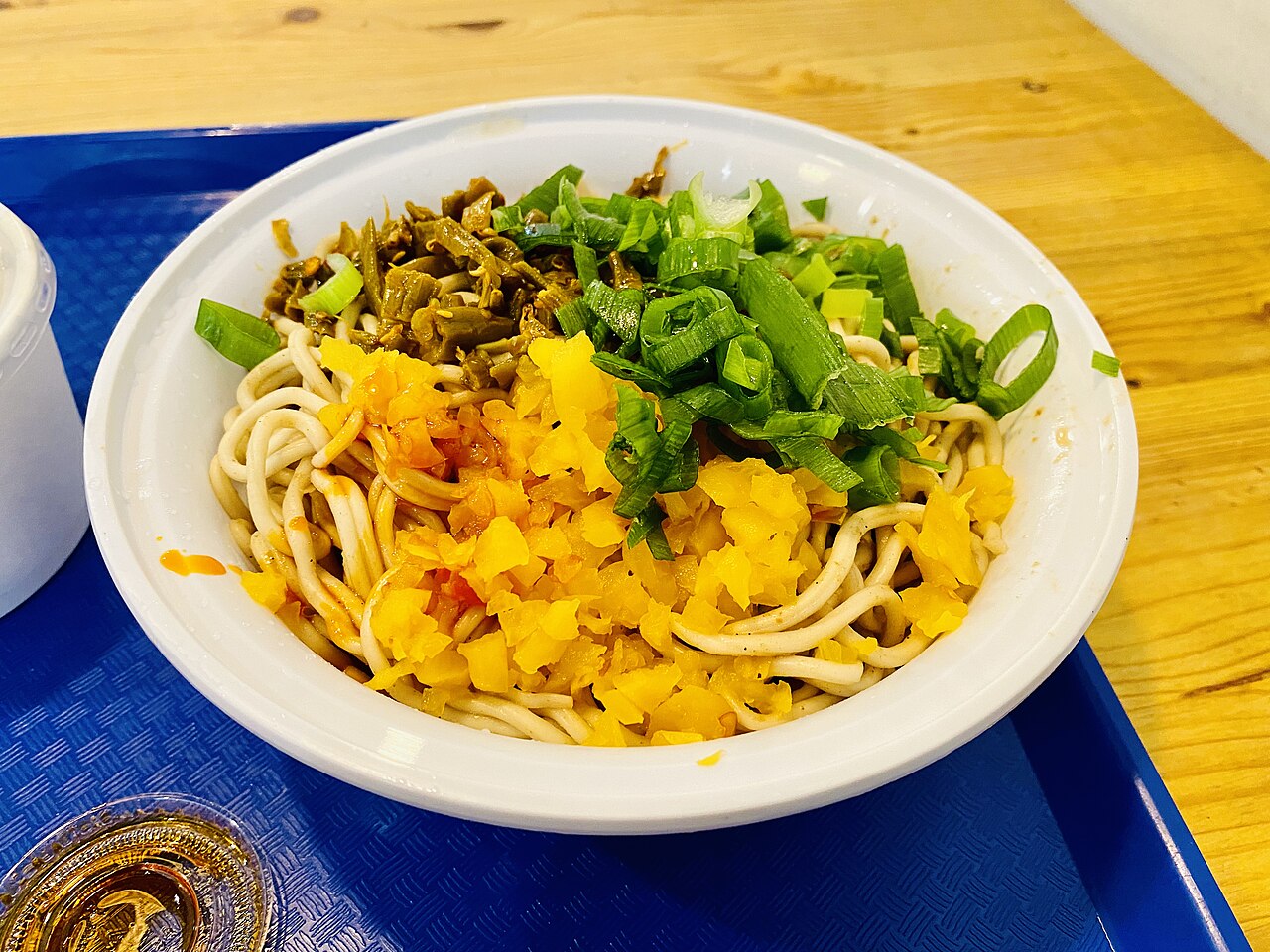
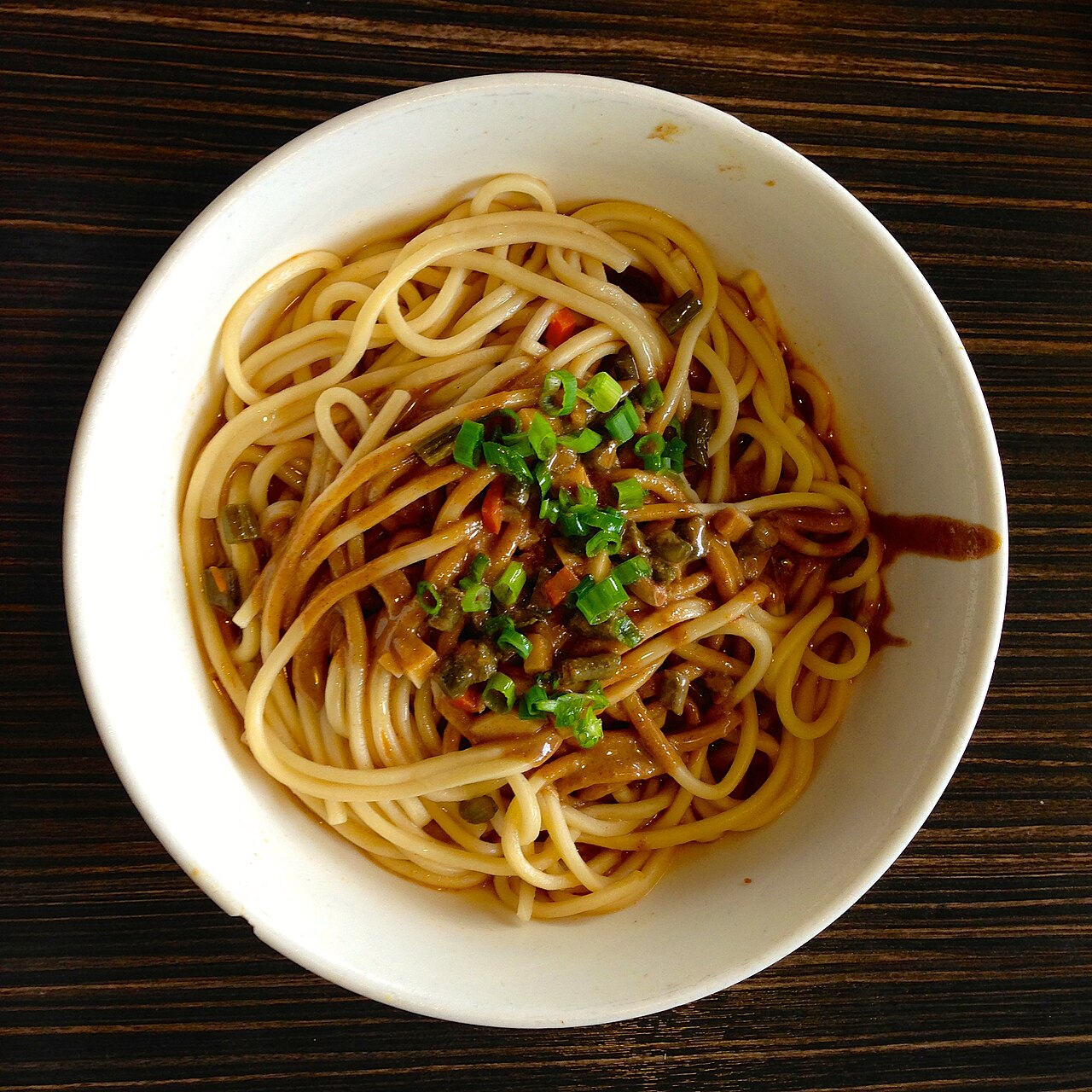
- Hubei Provincial Health Commission: Local Food Safety Standard — Wuhan Reganmian (Instant Type) (DBS 42/005-2015 / 2021 / 2022)
- Wuhan Market Regulation Administration & Wuhan Institute of Standardization: Specification for Production Management of Wuhan Reganmian (DB 4201/T 699-2024)
- ISO International Standard Annexes for Traditional Restaurant Services (Official Nomenclature Entry: Wuhan hot-dry noodles)
❓ Frequently Asked Questions
Can a manufacturer legally label a product 'Wuhan Reganmian' if its sauce packet is mostly cheap peanut paste or soy flour?
Not under Hubei's regional food safety standard DBS 42/005. The statute explicitly requires that the accompanying sesame paste seasoning packet contain at least 50% pure sesame seed ingredients. While minor additions of peanut paste or vegetable oil are permitted for texture, pure sesame must remain the dominant base.
Why does the standard mandate a pH range of 7.2 to 9.2 for the noodle cake?
Alkalinity is the chemical signature of authentic Reganmian. Requiring a pH between 7.2 and 9.2 prevents unscrupulous factories from passing off plain neutral white noodles tinted with synthetic yellow dye as alkaline noodles, while capping excessive alkali that would impart a soapy bitterness.
What is the official international English name recognized by ISO standards?
Under International Organization for Standardization (ISO) restaurant terminology annexes, the dish is officially codified as 'Wuhan hot-dry noodles', harmonizing global customs declarations, international menus, and culinary literature.
✦ Cross-Referenced Chapters
Secrets of Alkaline Noodles (Jianshuimian)
High-gluten flour specifications, sodium carbonate ratios, 1.8mm round strand geometry, and signature springy chew.
Soul of the Bowl: Stone-Ground Sesame Paste Craft
Low-temperature roasting, stone-mill grinding, and the great culinary debate between 100% pure sesame vs. 80/20 sesame-peanut blends.
Food Safety Standards & Fresh Alkaline Noodle Storage
Modern food-grade alkali regulations, microbial shelf-life windows for oil-tossed fresh noodles, and aflatoxin screening.
The Multi-Billion RMB Reganmian Supply Chain Ecosystem
From dedicated wheat mills and automated central wet-noodle factories to tens of thousands of storefronts and live-stream retail.