Silver-Screen Cameos: Reganmian in Contemporary Chinese Cinema
From Working-Class Tragedy in Feng Shui to Cannes Neon Noir and Tender Redemption
Dramaturgical analysis of how acclaimed Chinese films—Feng Shui (Wan Jian Chuan Xin), The Wild Goose Lake, Lighting Up the Stars, Embrace Again, and Life Show—deploy Wuhan’s street noodle stalls to shape character destiny and emotional catharsis.
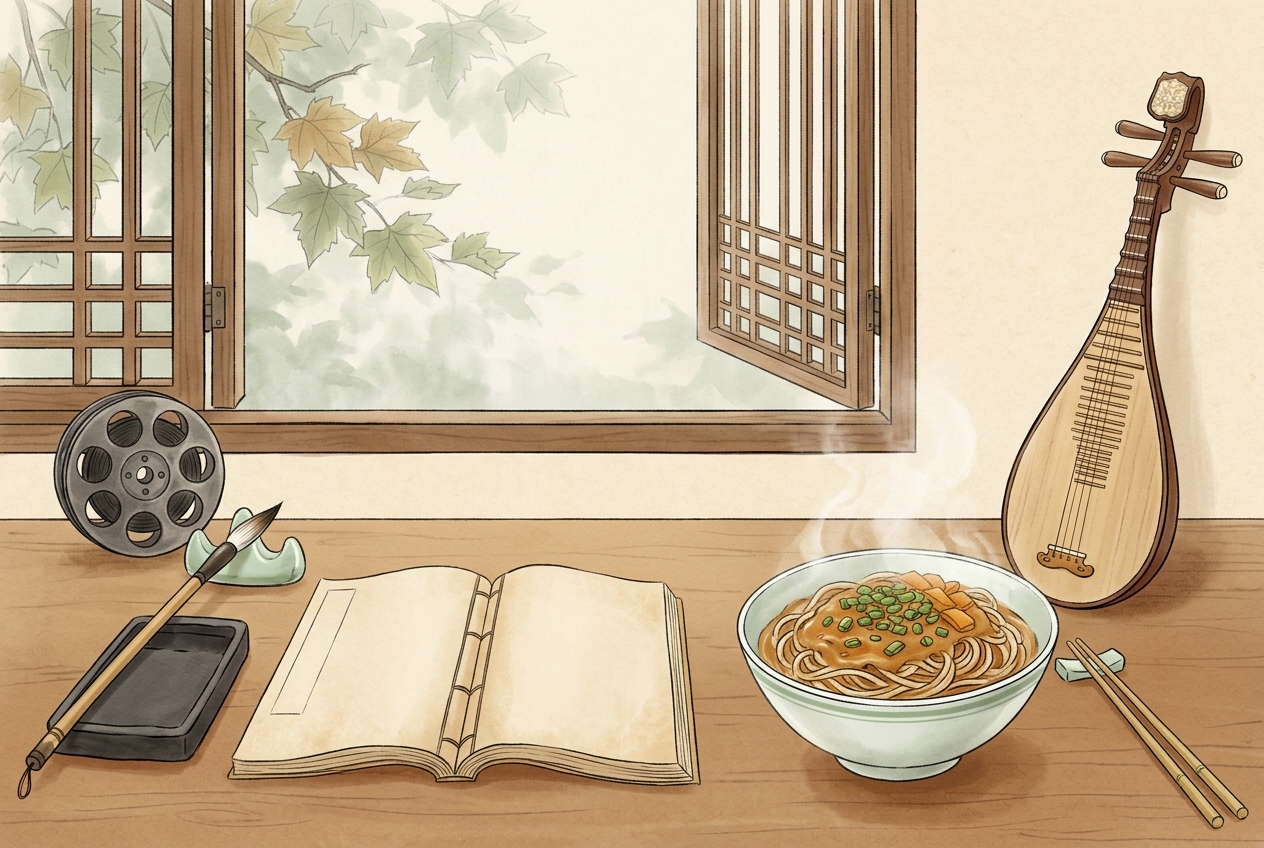
Why Filmmakers Frame Destiny Around a Wuhan Noodle Stall
Over the past two decades, Wuhan has emerged alongside Chongqing as mainland China’s most cinematic metropolis. With its multi-tiered steel bridges spanning two mighty rivers, humid subtropical mists, hundred-year-old Hankou tenement lanes (lifen), and rapid-fire local dialect, the city lends instant texture to both gritty social realism and stylized crime thrillers.
Across virtually every major film shot in Wuhan, production designers and directors return to one unmistakable visual anchor: the steaming street noodle cauldron, red plastic stools, and grease-proof bowls of Reganmian. Dramaturgically, Hot Dry Noodles offer actors extraordinary physical business. Because the dish has no broth and thickens rapidly if neglected, eating it demands active engagement—rapid cross-lifting with chopsticks, leaning forward over a low stool, inhaling sesame-coated strands with gusto. Whether a character pokes listlessly at clumping noodles in grief or devours a bowl in ferocious survival mode, the bowl externalizes psychology without a single line of exposition.
Feng Shui (Wan Jian Chuan Xin, 2012): Shoulder Poles and Domestic Tragedy
Directed by Wang Jing and anchored by Yan Bingyan’s tour-de-force performance (also marking actor Li Xian’s screen debut), Feng Shui (Wan Jian Chuan Xin, literally “Ten Thousand Arrows Piercing the Heart”) stands among twenty-first-century Chinese cinema’s finest achievements in urban realism. Adapted from Fang Fang’s novella and filmed entirely in 1990s-styled Hankou alleys with authentic Wuhan dialect, the film chronicles market vendor Li Baoli as her marriage implodes amid state-factory layoffs and domestic humiliation.
Within Wang Jing’s austere mise-en-scène, Reganmian and Guozao street culture operate on two poignant levels:
First is the quiet ache of ordinary tenderness. Li Baoli’s mild-mannered husband, factory clerk Ma Xuewu (Jiao Gang), suffocates beneath his wife’s razor-tongued dominance. When Ma drifts into an affair with his gentle colleague Zhou Fen, their illicit intimacy does not unfold in glamorous hotels; instead, the camera observes them sharing humble street Reganmian in the morning mist and peeling roadside crawfish—underscoring how, for exhausted working-class souls, simply eating a peaceful five-yuan breakfast beside someone who listens feels like paradise.
Second is maternal endurance on Hanzheng Street. After Ma’s suicide leaves her widowed with a young son and aging mother-in-law, Li Baoli joins Hanzheng Street’s male-dominated biandan porters, hauling hundred-kilo bales on a bamboo pole for pennies. Morning tracking shots follow her striding past roaring breakfast cauldrons where fellow laborers squat on curbs shoveling down dense, sesame-slicked alkaline noodles before hoisting freight. Stripped of melodrama, the calorie-heavy morning bowl becomes the physical mortar holding Li Baoli’s spine upright across ten punishing years.
The Wild Goose Lake (2019): A Fugitive’s Last Meal Under Neon Rain
If Feng Shui captures Wuhan under dusty daylight, writer-director Diao Yinan’s Cannes Competition selection The Wild Goose Lake (Nanfang Chezhan de Juhui) reimagines the city’s urban villages (chengzhongcun), rain-slicked lakes, and late-night snack stalls as a feverish Asian film noir.
Spoken entirely in Wuhan dialect and starring Hu Ge as wounded gang leader Zhou Zenong alongside Gwei Lun-mei as bathing-beauty escort Liu Aiai, the film builds toward a breathless climax inside a cramped roadside Wuhan noodle shop. Outside in the damp night, plainclothes detectives disguised as delivery riders and mechanics tighten their dragnet around the 300,000-yuan bounty on Zhou’s head. Inside, under mercilessly bright fluorescent tubes, the exhausted fugitive orders two bowls of hot Wuhan street noodles.
Framed in tight profile, Hu Ge’s gaunt face hunches low over the formica table. Driven by animal hunger and the unspoken certainty that these are his final minutes on earth, Zhou Zenong shovels steaming, chili-flecked strands into his mouth at ferocious speed—finishing one bowl, immediately attacking the second, oblivious to sauce staining his lips.
In crime cinema history, few “Last Supper” scenes feel so raw. By staging a doomed outlaw’s final earthly pleasure not in a banquet hall but over cheap, scorching bowls in a neighborhood Wuhan noodle joint—surrounded by condiment jars of chili oil, vinegar, and pickled cowpeas—Diao Yinan contrasts the visceral warmth of street food against the cold finality of bullets waiting outside the door.
Lighting Up the Stars (2022) & Embrace Again (2021): Healing Through Hearth Smoke
In the early 2020s, major Chinese commercial cinema turned toward Wuhan’s resilience and neighborhood tenderness, casting Reganmian as an emblem of life triumphing over grief.
In Liu Jiangjiang’s sleeper blockbuster Lighting Up the Stars (Rensheng Dashi), Wuhan native Zhu Yilong stars as Mo Sanmei, an ex-convict mortician running the “Up to Heaven” funeral shop in an old Wuhan lane who reluctantly takes in fierce orphan girl Wu Xiaowen (Yang Enyou). Confronting China’s deepest taboos around death and mortuary work, the film counterbalances funeral sorrow with exuberant morning sequences: golden sunlight slanting across laundry-draped lifen courtyards, neighbors bantering in booming Wuhanese over paper bowls of Reganmian, and Sanmei teaching little Xiaowen to face loss over bustling Guozao tables. Warm sesame paste and noisy street camaraderie literally pull both outcasts back into the land of the living.
| Film Title & Year | Director & Lead Cast | Wuhan Filming Locations | Key Noodle / Guozao Sequence | Narrative & Symbolic Function |
|---|---|---|---|---|
| Life Show (Shenghuo Xiu, 2002) | Dir. Huo Jianqi / Tao Hong, Tao Zeru | Jiqing Street, Jianghan Rd lanes | Dawn Guozao stalls & midnight Jiqing Street food hawkers | Establishes fearless, sensual vitality of Wuhan stall proprietress Lai Shuangyang |
| Feng Shui (Wan Jian Chuan Xin, 2012) | Dir. Wang Jing / Yan Bingyan, Jiao Gang, Li Xian | Hanzheng Street, Tiansheng St, Yangtze Bridge | Ma Xuewu’s quiet morning Reganmian; Li Baoli hauling freight past breakfast stalls | Mirrors 1990s marital alienation and indomitable working-class maternal grit |
| The Wild Goose Lake (2019) | Dir. Diao Yinan / Hu Ge, Gwei Lun-mei, Liao Fan | Wuhan urban villages, Yezhi Lake, roadside shops | Fugitive Zhou Zenong ravenously devouring two bowls minutes before his fatal ambush | Existential noir “Last Supper”—visceral bodily hunger before impending death |
| Embrace Again (2021) | Dir. Xue Xiaolu / Huang Bo, Jia Ling, Zhu Yilong | Yingwuzhou Bridge, East Lake, Hankou avenues | Courier Wu Ge (Jia Ling) and teacher Ye Ziyang (Zhu Yilong) promising post-winter Reganmian & doupi | Turns an unkept breakfast date into an emotional covenant of 2020 solidarity |
| Lighting Up the Stars (2022) | Dir. Liu Jiangjiang / Zhu Yilong, Yang Enyou | Baocheng Rd & historic Hankou residential lanes | Mortician Mo Sanmei and orphan Xiaowen bonding over sunny neighborhood Guozao | Earthy morning warmth dissolves the stigma and chill of the funeral trade |
Meanwhile, Xue Xiaolu’s ensemble drama Embrace Again (Chuanguo Handong Yongbao Ni, 2021) elevated Reganmian into an explicit emotional leitmotif of the 2020 lockdown winter. When warm-hearted food courier Wu Ge (Jia Ling) befriends gentle piano teacher Ye Ziyang (Zhu Yilong), their bond crystallizes around a simple promise: as soon as winter ends and the barricades come down, they will feast together on proper street Reganmian and crispy doupi. When rolling shutters finally clatter upward in the film’s spring coda and citizens lift chopsticks through rising steam, the humble sesame noodle bowl speaks a collective catharsis beyond words.
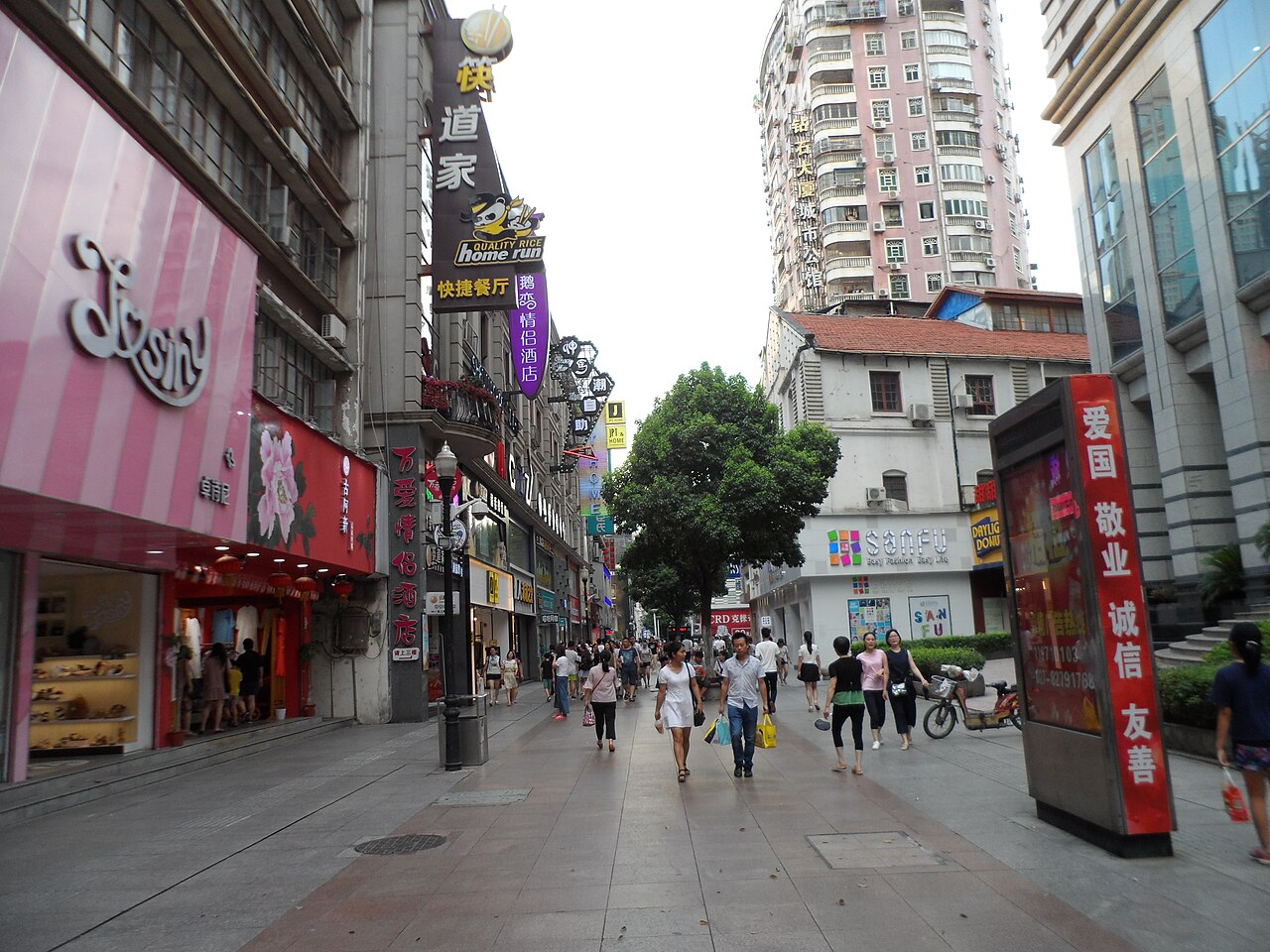
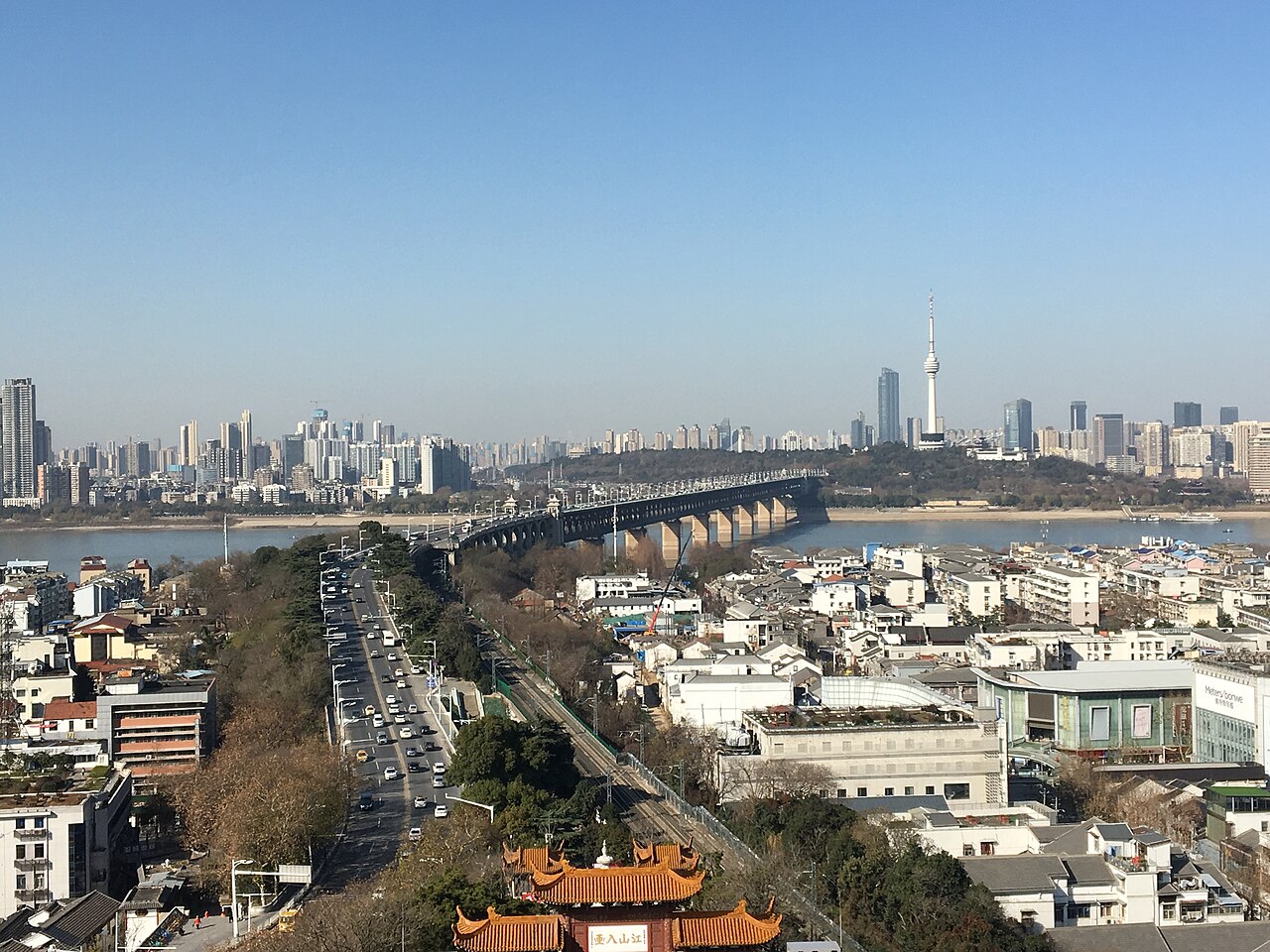
- Feng Shui (Wan Jian Chuan Xin, 2012), directed by Wang Jing, starring Yan Bingyan
- The Wild Goose Lake (Nanfang CheZhan de Juhui, 2019), directed by Diao Yinan, Cannes Film Festival In Competition
- Lighting Up the Stars (Rensheng Dashi, 2022), directed by Liu Jiangjiang, starring Zhu Yilong
- Embrace Again (Chuanguo Handong Yongbao Ni, 2021), directed by Xue Xiaolu; Life Show (2002), directed by Huo Jianqi
❓ Frequently Asked Questions
Why has Wuhan become one of contemporary Chinese cinema’s favorite filming locations?
Wuhan offers filmmakers startling visual and acoustic range: monumental Yangtze bridges, labyrinthine 1920s Hankou lanes, neon-lit urban villages, punchy Wuhan dialect, and ubiquitous steaming Guozao stalls that ground any scene in visceral working-class reality.
How does Feng Shui (Wan Jian Chuan Xin) use street Reganmian to tell its story?
Adapted from Fang Fang’s novella, Feng Shui uses morning noodle stalls both intimately—showing repressed husband Ma Xuewu quietly sharing street Reganmian with a sympathetic coworker—and heroically, surrounding protagonist Li Baoli’s bamboo shoulder-pole labor with the bustling dawn energy of Hanzheng Street.
What role do street noodles play in Diao Yinan’s Cannes noir The Wild Goose Lake?
Minutes before his fatal showdown, wounded fugitive Zhou Zenong (Hu Ge) sits under harsh fluorescent lights in a cramped Wuhan roadside noodle shop and wolfishly devours two steaming bowls—transforming an everyday Wuhan eatery into an unforgettable noir 'Last Supper.'
✦ Cross-Referenced Chapters
Wuhan "Guozao" Panorama: A Month Without Repeating Breakfast
Origins of the term "Guozao" and how Wuhan’s exuberant morning street-food universe revolves around Hot Dry Noodles.
2020 Collective Memory: "Cheer Up, Reganmian!"
How personified noodle illustrations united a nation in solidarity and made the first post-lockdown bowl an enduring historical symbol.
In Writers’ Ink: Chi Li, Yi Zhongtian & Wuhan Literary Prose
Literary close-readings of how celebrated Wuhan novelists and essayists immortalized morning steam and sesame aroma.
Street Sociology: The Egalitarian Republic of Plastic Stools
Tall stool as table, short stool as seat—an ethnographic look at how sidewalk noodle dining dissolves social hierarchy.