Caloric & Macronutrient Breakdown by Component
Exact Kilocalorie, Carbohydrate, Protein, Lipid, and Sodium Ledgers for Classic and Topped Bowls
Grounded in the China Food Composition Tables (6th Edition), this quantitative dossier dissects a standard Wuhan 2-liang Reganmian bowl layer by layer—revealing exact energy density, amino-acid profiles, lipid ratios, and hidden sodium across plain, chili-oil, beef-topped, and traditional Guozao pairings.
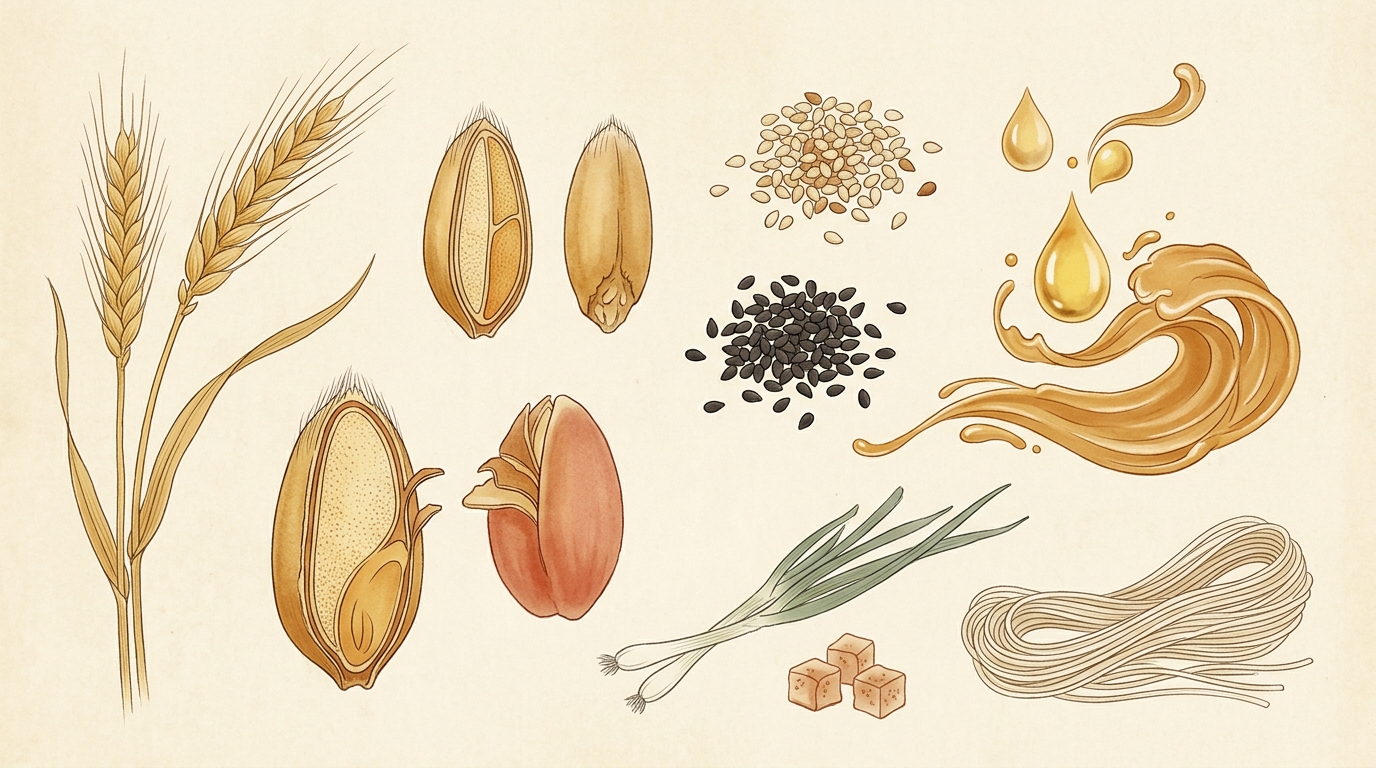
Built for the Docks: High-Density Fuel by Design
To understand the nutritional architecture of Wuhan Reganmian, one must return to the 1930s Hankou riverfront. Stevedores hauling hundred-kilogram cotton bales and rickshaw pullers sprinting across the concessions burned upwards of 3,500 kilocalories a day. Broth-heavy noodle soups bloated the stomach while delivering scant sustained energy. By eliminating soup water and marrying high-gluten alkaline wheat strands with stone-milled white sesame paste, Reganmian compressed more than 530 kilocalories into a portable, three-minute paper bowl—keeping hunger at bay until midday.
For modern knowledge workers, athletes, and travelers, that same thermodynamic efficiency demands clear-eyed accounting. At 2.2 to 2.4 kcal per gram, a bowl of Hot Dry Noodles packs roughly twice the caloric density of steamed jasmine rice or clear beef noodle soup. Yet dismissing it as “empty carbs” misses the biochemical truth: nearly half its energy derives from heart-healthy unsaturated plant lipids and complementary seed-and-grain proteins.
“Two liang of flour spun into golden cord; half the fire from wheat, half from the stone-mill gourd.” — Hankou Culinary Proverb
Decoding the “Er-Liang” Weight Paradox
Before logging Reganmian into a nutrition tracker, diners must side-step a classic measurement trap: ordering a “2-liang” (er-liang, literally 100-gram) bowl in Wuhan does not mean eating 100 grams of food.
The nomenclature is a living fossil of China’s 1950s–1980s grain-coupon (liangpiao) era, when a 2-liang ration ticket entitled a citizen to 100 grams of dry wheat flour. Hydrated with alkaline solution, extruded into 1.8mm strands, parboiled to 80% doneness (danmian), tossed with 5 grams of protective vegetable/sesame oil, and blanched for six seconds at service, that 100-gram flour base expands to ~165 grams of cooked, oiled noodles. Once crowned with sesame paste, spiced soy broth, and pickled vegetables, a standard er-liang bowl tips the scale at 239 to 255 grams. Logging “100g cooked noodles” underestimates actual intake by more than half.
Component-by-Component Ledger: The Standard 2-Liang Bowl
Using analytical reference values from the China Food Composition Tables (6th Edition, China CDC)—where pure roasted white sesame paste registers 618 kcal, 19.2g protein, and 52.7g fat per 100g—here is the exact anatomical breakdown of an authentic Wuhan street bowl:
| Bowl Stratum & Component | Net Portion | Energy (kcal) | Carbs (g) | Protein (g) | Total Fat (g) | Sodium (mg) | Nutritional Role & Notes |
|---|---|---|---|---|---|---|---|
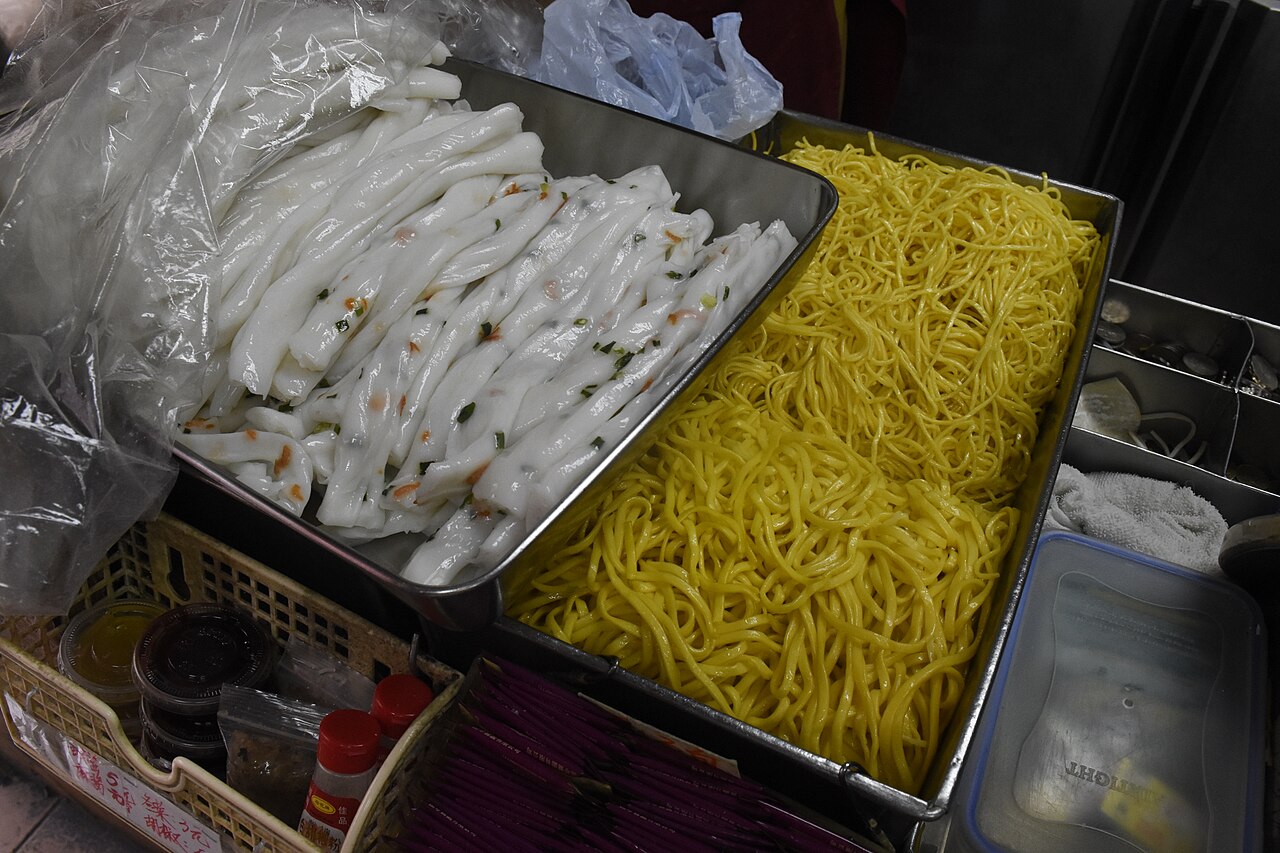
| 1. Parboiled & Oiled Alkaline Noodles | 165 g (incl. 5g oil) | 298 | 52.5 | 8.8 | 5.8 | 260 | ~100g dry high-gluten flour base; Na from $\text{Na}_2\text{CO}_3$ & dough salt |
| 2. Pure Stone-Ground Sesame Paste | 25 g (undiluted base) | 155 | 4.2 | 4.8 | 13.2 | 10 | Supplies ~292 mg calcium, plant globulins & unsaturated fats |
| 3. Blending Sesame & Vegetable Oil | 6 g | 54 | 0.0 | 0.0 | 6.0 | 0 | Enables youxie (oil-thinning) for seamless strand coating |
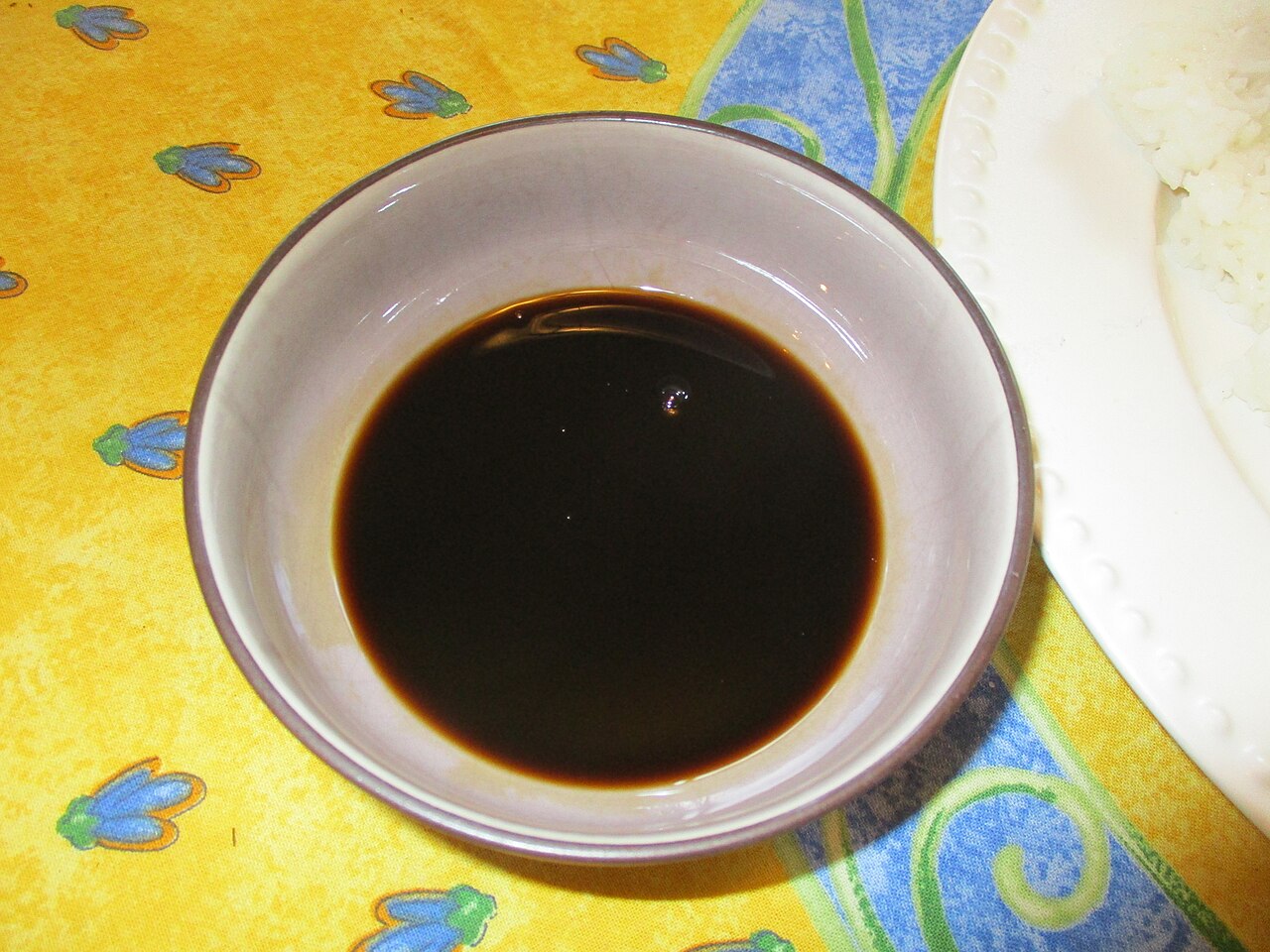
| 4. Spiced Soy Broth, Soy, Vinegar & Garlic | 18 mL | 14 | 2.4 | 1.1 | 0.0 | 980 | Negligible calories, yet contributes 66% of total bowl sodium |
| 5. Pickled Radish, Sour Beans & Scallions | 25 g | 12 | 2.3 | 0.6 | 0.1 | 230 | Crisp textural relief, organic acids & trace dietary fiber |
| Subtotal: Mild Classic 2-Liang Bowl | 239 g | 533 | 61.4 | 15.3 | 25.1 | 1,480 | Macro Energy Split: 46% Carbs · 42% Fat · 12% Protein |
| 6. Optional: Wuhan Chili Oil (Hongyou) | + 8 g (~6.5g lipid) | + 62 | + 0.5 | + 0.2 | + 6.6 | + 35 | Infused roasted chili flakes & oil; pushes fat share to 48% |
| Total: Classic Red-Oil 2-Liang Bowl | 247 g | 595 | 61.9 | 15.5 | 31.7 | 1,515 | Benchmark Wuhan breakfast; sustains satiety for 4–5 hours |
Portion Scaling, Deluxe Toppings & Classic Guozao Combos
In daily Wuhan street life, bowls rarely exist in isolation. Commuters scale portions from dainty yi-liang-ban (1.5-liang) cups to hefty san-liang (3-liang) tubs, add blanched beef or braised offal, or pair their noodles with crispy mianwo savory donuts and sweet poached-egg rice wine (danjiu):
| Ordering Configuration | Est. Weight | Calories (kcal) | Carbs (g) | Protein (g) | Fat (g) | Sodium (mg) | Dietary Context & Verdict |
|---|---|---|---|---|---|---|---|
| 1.5-Liang Light Bowl (Half Paste, No Chili Oil) | ~175 g | 378 | 45.2 | 10.6 | 16.5 | 1,050 | Ideal desk-worker or calorie-deficit breakfast; comparable to an avocado toast |
| Standard 2-Liang Bowl (Mild Chili Oil) | ~243 g | 565 | 61.6 | 15.4 | 28.4 | 1,500 | Classic morning baseline for active commuters |
| Large 3-Liang Bowl (Full Sauce & Chili Oil) | ~355 g | 835 | 91.5 | 22.4 | 41.8 | 2,080 | Heavy endurance fuel; exceeds WHO full-day 2,000 mg sodium cap in one sitting |
| 2-Liang Raw-Blanched Beef Bowl (+55g Lean Beef) | ~300 g | 670 | 62.5 | 27.0 | 34.5 | 1,680 | Strength-training pick: boosts complete protein to 27g plus bioavailable heme iron |
| 2-Liang Braised Tripe or Intestine Bowl | ~305 g | 720–790 | 63.0 | 24.5 | 40.0–48.0 | 1,890 | Rich collagen/umami indulgence, higher in saturated fat, purines & braising sodium |
| The Grand Feast: 2-Liang Bowl + Mianwo + Danjiu | ~620 g | 975 | 108.0 | 24.8 | 48.2 | 1,920 | Iconic weekend Guozao splurge—best followed by a brisk walk along the Yangtze |
Three Nutritional Takeaways Beyond Raw Calories
- Complementary Plant Amino Acids (With One Easy Upgrade): Wheat gluten is naturally low in lysine, whereas sesame seed globulins supply abundant sulfur-containing methionine and cysteine plus tryptophan. Adding a single spiced egg (+6.5g protein, ~75 kcal) or 50g of blanched beef bridges the lysine gap completely, elevating the meal’s Protein Digestibility-Corrected Amino Acid Score (PDCAAS).
- High Lipid Quantity, Superior Lipid Quality: While 25–32 grams of fat in a breakfast bowl looks formidable on paper, over 80% consists of monounsaturated oleic acid and polyunsaturated linoleic acid from sesame oil, with zero trans fats and under 4 grams of saturated fat.
- The Hidden Sodium Mask: Because viscous sesame lipids coat lingual salt receptors, a bowl carrying 1,480 mg of sodium (equivalent to ~3.7 grams of table salt, or 74% of the WHO daily ceiling) tastes pleasantly mellow rather than briny. Asking the vendor for “light soy broth” (shao lushui) and leaving residual dark liquid at the bottom of the paper bowl effortlessly trims 350–450 mg of sodium without sacrificing a whisper of roasted sesame aroma.
- Yang, Y. X. (Ed.). China Food Composition Tables (Standard Edition, 6th Ed.). Peking University Medical Press / China CDC.
- Chinese Nutrition Society. Dietary Guidelines for Chinese Residents (2022). People's Medical Publishing House.
- World Health Organization (WHO). Guideline: Sodium intake for adults and children.
❓ Frequently Asked Questions
Why does a '2-liang' (100g) bowl of Reganmian actually weigh around 240–250 grams on a scale?
In Wuhan culinary convention, '2 liang' traces back to planned-economy grain coupons representing 100 grams of dry flour. Once hydrated with alkaline water, parboiled to 80% doneness, tossed with 5g of oil, flash-blanched, and dressed with 70–80g of sesame paste, soy broth, and pickles, the finished bowl weighs roughly 240–255 grams.
Do most of the calories in Reganmian come from the noodles or the sesame sauce?
They split the caloric load nearly down the middle. In a 595-kcal classic chili-oil bowl, the parboiled alkaline noodles (including parboiling oil) contribute ~298 kcal, while the oil-thinned sesame paste (209 kcal) plus chili oil (62 kcal) deliver ~271 kcal—meaning sauces and oils account for 45% of total energy.
Why doesn't Reganmian taste overly salty despite containing nearly 1,500 mg of sodium?
Viscous sesame lipids coat taste receptors on the tongue, dampening sodium-ion perception. Roughly 980 mg of sodium hides in the bottom ladle of spiced soy broth and light/dark soy sauces, joined by 260 mg from sodium carbonate and dough salt in the noodles, plus 230 mg from pickled radish and sour cowpeas.
✦ Cross-Referenced Chapters
Secrets of Alkaline Noodles (Jianshuimian)
High-gluten flour specifications, sodium carbonate ratios, 1.8mm round strand geometry, and signature springy chew.
Soul of the Bowl: Stone-Ground Sesame Paste Craft
Low-temperature roasting, stone-mill grinding, and the great culinary debate between 100% pure sesame vs. 80/20 sesame-peanut blends.
The Ten-Condiment Flavor Matrix & Layering Order
Exact gram ratios and sequencing of light/dark soy, rice vinegar, white pepper, sugar, and spiced sesame salt.
Deluxe Toppings Compendium: Sliced Beef, Tripe & Zha Jiang
Expanding beyond classic plain sesame to blanched tender beef, braised honeycomb tripe, beef tendon, and duck-neck dices.
Micronutrient Powerhouse: Calcium, Sesamin & Vitamin E
Analyzing pure sesame paste’s remarkable calcium density, unsaturated fatty acids, and antioxidant lignans.
Glycemic Index Dynamics & Mindful Weight-Loss Strategies
How sesame lipids moderate glycemic spikes and practical portion/topping adjustments for fitness and blood-sugar management.