Regional Schools: Wuhan, Xiangyang, Jingsha & Xinyang Styles
Along River Steamers and Rail Lines: Pure Sesame Orthodoxy vs. Spiced Beef Tallow, Sweet Bean Paste, and Tofu-Skin Broth
Tracing how Wuhan Reganmian migrated up the Yangtze River, along the Han River, and north up the Beijing-Guangzhou Railway to spawn four distinct regional schools: Wuhan's brothless pure-sesame orthodoxy, Xiangyang's fiery beef-tallow & bean-sprout style, Jingzhou-Shashi's sweet-bean-paste harmony, and Xinyang's steel-basin tofu-skin, bone-broth, and fresh catnip-herb adaptation.
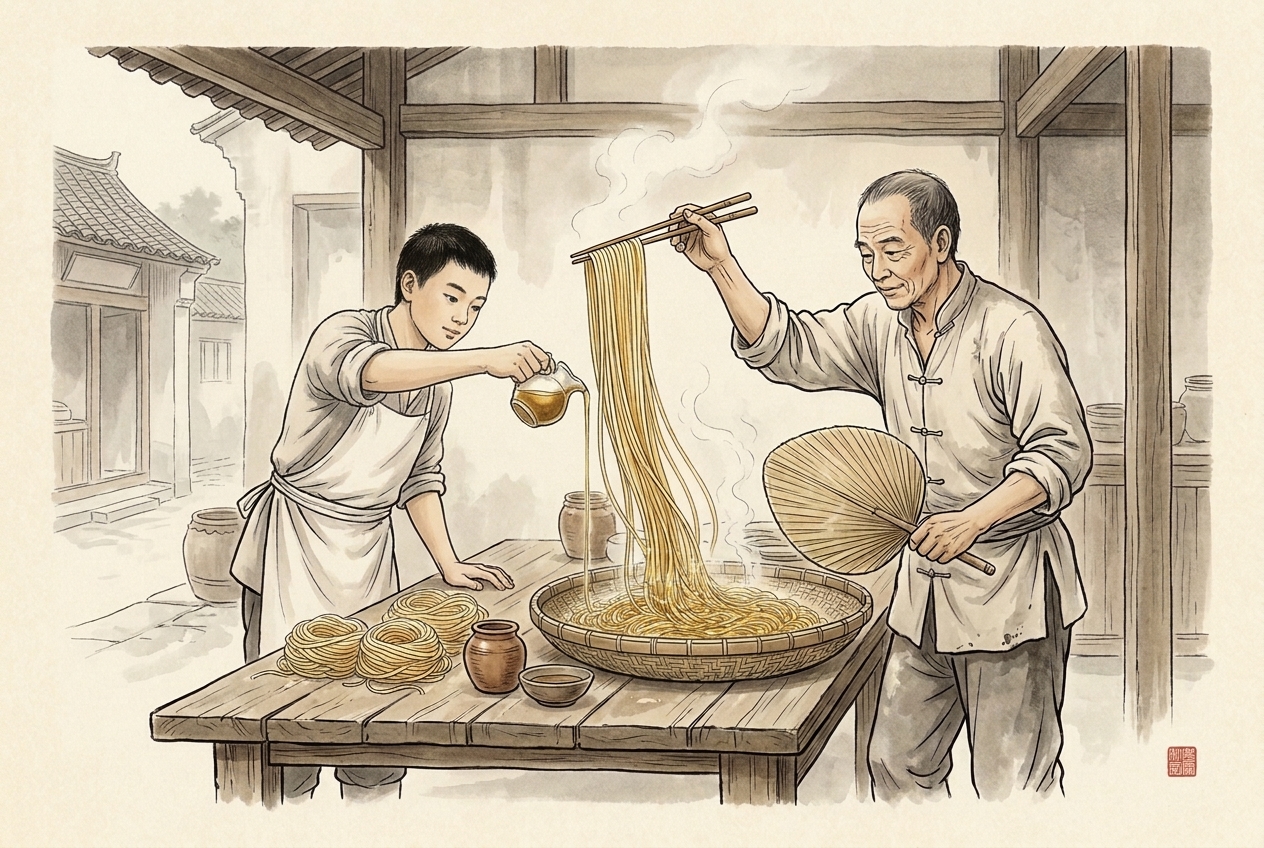
Rivers, Rails, and Culinary Drift: How One Bowl Became Four
Great street food never travels unchanged. Born at the confluence of the Yangtze and Han rivers in 1930s Hankou, Reganmian sat at the hub of inland China’s busiest transport web. Riverboat crews carried bamboo Danmian trays upstream along the Yangtze to the treaty port of Shashi (Jingzhou); railway machinists and third-front factory workers rode northwest up the Han River corridor to historic Xiangyang; and in the early 1980s, locomotive crews along the Beijing-Guangzhou trunk line carried stone-ground sesame crocks just across the Dabie Mountain pass into Xinyang, southern Henan.
Over half a century of local adaptation, neighboring regions rewrote Wuhan’s strict brothless formula to match their own agricultural terroir and morning habits. Today, four vigorous regional schools—Wuhan Pure-Sesame Orthodoxy, Xiangyang Beef-Tallow Heat, Jingzhou-Shashi Sweet-Bean Harmony, and Xinyang Steel-Basin Red-Oil Broth—engage in friendly rivalry across central China.
“Hankou crowns pure paste without a drop of broth; Xiangyang blazes with crimson beef tallow; Shashi rounds the palate with sweet fermented bean; Xinyang fills steel basins with tofu silk and fragrant catnip.” — Folk verse of the Four-City Reganmian Belt
Anatomy of the Four Regional Schools
1. The Wuhan Orthodoxy: Zero Greens, Zero Broth, Maximum Sesame Gravity
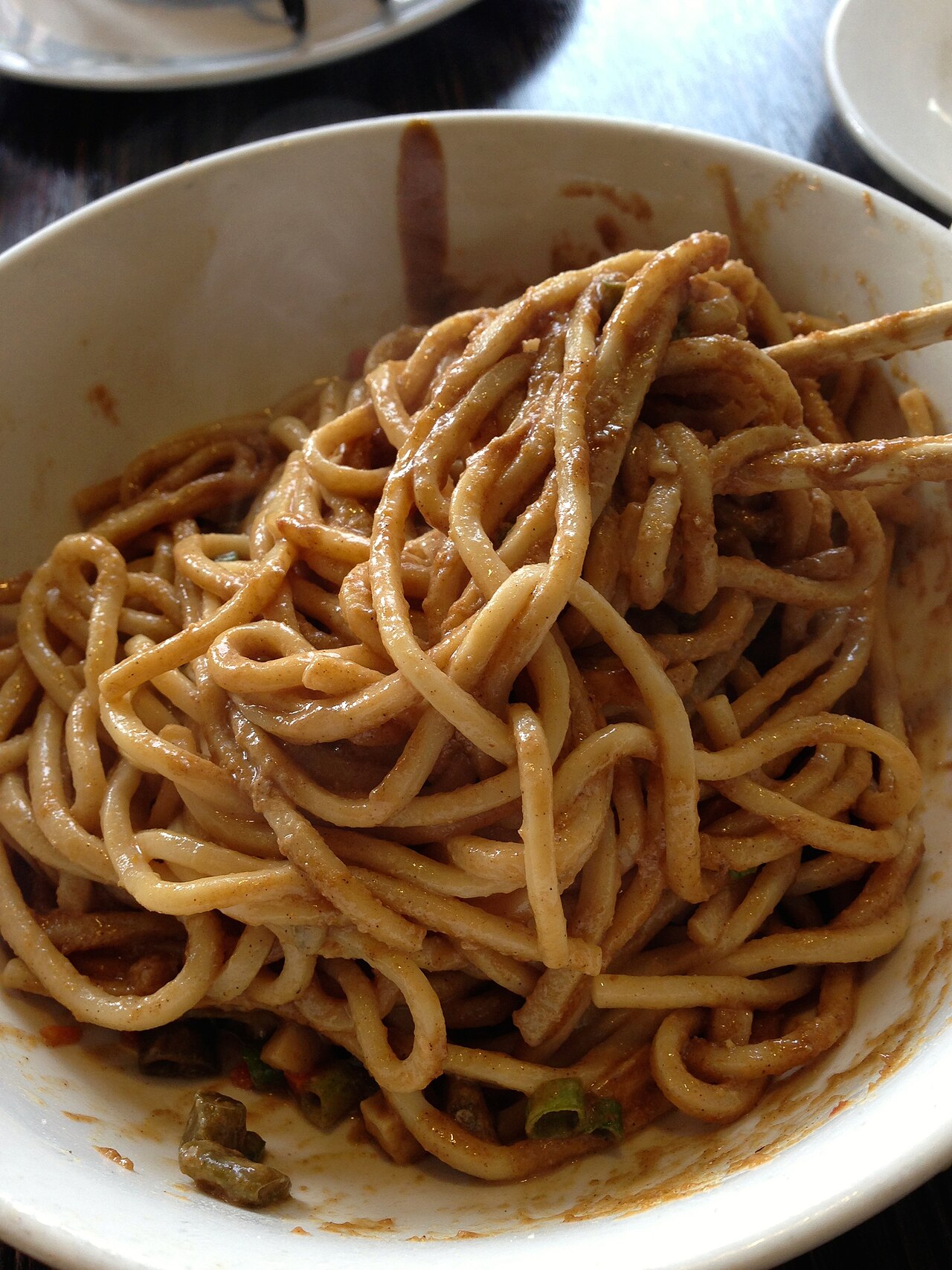
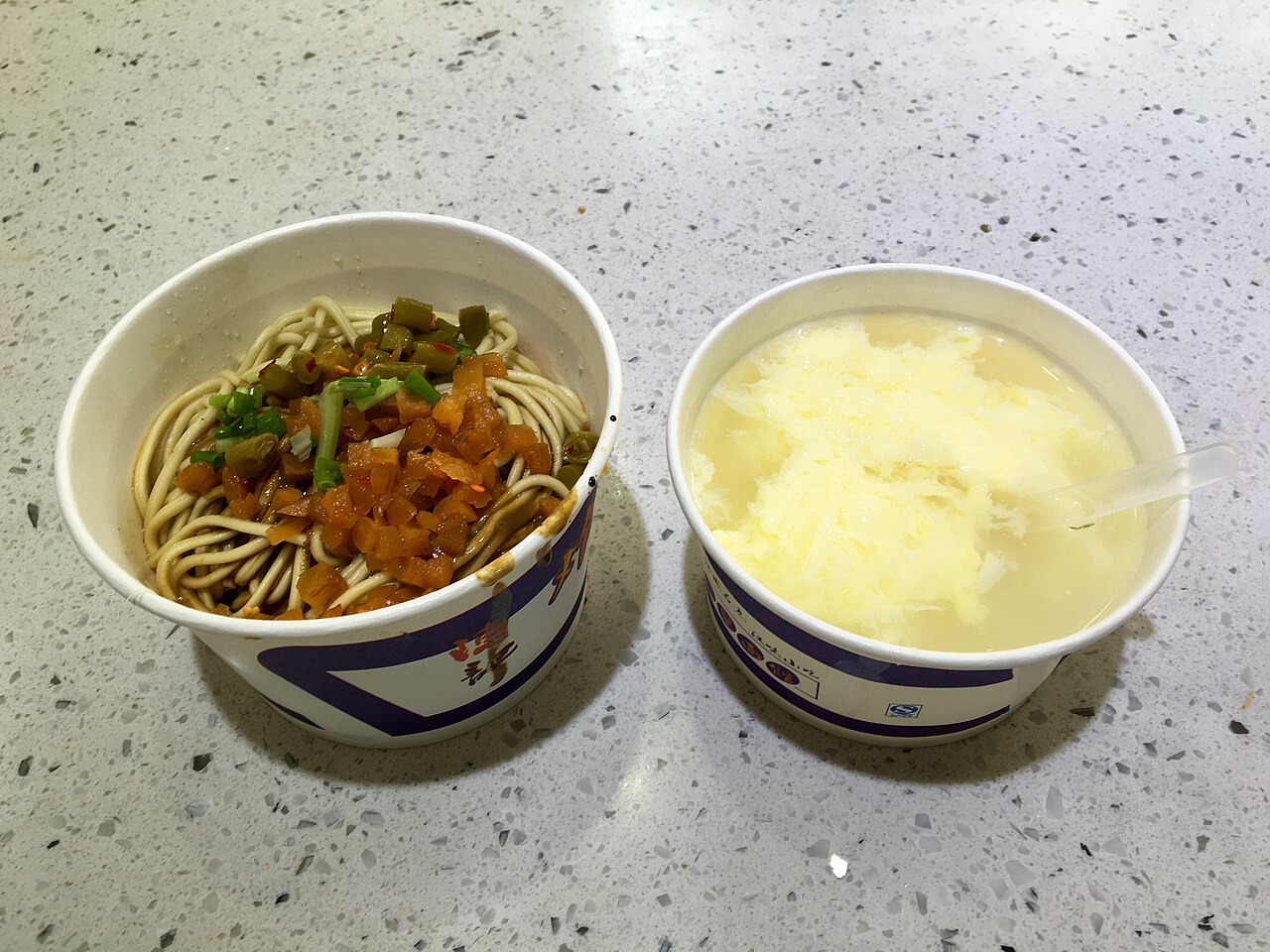
In its birthplace across Hankou, Wuchang, and Hanyang, Reganmian adheres to an austere structural purism. Thick 1.7–1.8mm high-gluten alkaline noodles are parboiled to 80%, air-cooled with toasted sesame oil, and blanched for six seconds. Not a single mung bean sprout, bok choy leaf, or splash of bone soup is permitted inside the bowl.
Everything revolves around the muscular, clinging viscosity of stone-ground sesame paste (100% pure white or black sesame at heritage flagships like Cai Lin Ji, or an 80/20 sesame-peanut blend at neighborhood legends), anchored by 18ml of amber ten-spice lushui and raw garlic water. Crunch comes exclusively from moisture-free pickled Huangpi radish dices and sour long beans. Because the bowl is deliberately dense and brothless, hydration lives beside the bowl in a steaming cup of Danjiu (velvety egg ribbons poached in sweet Xiaogan fermented rice wine).
2. The Xiangyang School: Crimson Spiced Beef Tallow & Mung Bean Sprouts
Travel 280 kilometers northwest up the Han River to Xiangyang, where northern wheat grit meets Sichuan-border spice intensity. Here, Reganmian cohabits the morning stove with Xiangyang’s famous Beef Noodles, borrowing two transformative elements:
- Spiced Beef Tallow (Niu You) Over Plant Oil: Instead of mild vegetable oil, Xiangyang masters render beef marrow and suet with Hanyuan Sichuan peppercorns, dried chilies, star anise, and galangal into a brick-red, fiercely aromatic spiced beef tallow. A molten ladleful hits the sesame paste, unleashing an intoxicating, mouth-coating animal richness and numbing mala tingle.
- Crisp Mung Bean Sprout Cushion: A generous handful of fresh mung bean sprouts plunges into the bamboo strainer alongside the noodles. Their juicy snap cuts straight through heavy beef fat—especially when chased with a bowl of cool, amber Xiangyang fermented Huangjiu rice wine.
3. The Jingzhou-Shashi School: Treaty-Port Sweet-Savory Sauce Fusion
Upstream on the Jianghan Plain, Shashi (part of historic Jingzhou) thrived for a century as a prosperous river port dubbed “Little Hankou.” Reflecting southern Hubei’s fondness for rounded, sweet-savory profiles, Jingsha artisans engineered a “Dual-Paste Glaze”:
- Fermented Sweet Flour Paste (Tianmianjiang): Rather than relying solely on nutty sesame paste, Shashi shops whisk fermented sweet wheat paste, savory minced-pork bean sauce, or aged broad-bean paste into their sesame crock (roughly 1 part savory-sweet sauce to 3 parts sesame paste), tinting the noodles a glossy reddish mahogany.
- Mellow Sweet-Tart Finish: Balanced with a kiss of local aromatic vinegar and sugar, Jingsha Reganmian trades Wuhan’s assertive dry punch for a silkier, slightly moister coat with a lingering caramelized-soy sweetness.
4. The Xinyang School: Steel Basins, Tofu Silk, Bone Broth & Fresh Jingjie
Cross northward into Xinyang, Henan, and Wuhan natives scarcely recognize their export—yet Xinyang locals devour millions of bowls daily as “Xinyang Red-Oil Reganmian”:
- Thinner Strands & Iconic Steel Basins: Xinyang extrudes noticeably finer alkaline strands (1.3–1.5mm) that soak up liquid rapidly, served not in paper cups but in gleaming, shallow stainless-steel basins (xiaogangpen).
- Broth Splash + Shredded Tofu Skin & Sprouts: Right after blanching, the vendor ladles a shallow splash of simmering pork-bone broth into the basin and piles on blanched shredded pressed tofu skin (qianzhansi) and yellow or mung bean sprouts, turning the dish into a juicy, slurpable semi-broth toss.
- Aromatic Red Oil & Summer Jingjie Herb: Sesame paste steps back into a supporting role behind a deeply fragrant, multi-herb infused red chili oil (aromatic rather than scorching). Most memorably, from May through September, vendors crown the steaming basin with a fistful of fresh jingjie (Schizonepeta tenuifolia, Chinese lemon-catnip)—whose bright, minty-citrus essential oils slice across warm sesame and chili oil in an unforgettable herbaceous contrast.
Side-by-Side Technical Comparison Matrix
| Dimension | Wuhan Classic School | Xiangyang Tallow School | Jingzhou-Shashi School | Xinyang Red-Oil School |
|---|---|---|---|---|
| Strand Gauge | 1.7–1.8mm thick round; maximum chew | 1.6–1.7mm medium round; resilient | 1.6mm medium round; supple | 1.3–1.5mm fine round; absorbs juice |
| Primary Flavor Engine | Thick stone-ground sesame paste + ten-spice soy | Crimson spiced beef tallow + sesame paste | Sesame paste + sweet fermented bean/pork paste | 30-spice fragrant red oil + light sesame paste |
| Bowl Moisture Level | Strictly brothless (6g micro-film only) | Lightly slick with molten tallow | Glossy, slightly moister sauce coat | Semi-wet over a splash of bone broth |
| Signature Veg & Herbs | Dehydrated radish dices, sour cowpeas, scallion | Blanched mung bean sprouts, sour beans, cilantro | Pickled radish, preserved mustard, minced pork | Shredded tofu skin, bean sprouts, fresh jingjie |
| Serving Vessel | Grease-proof paper bowl / wide porcelain | Deep ceramic bowl / paper bowl | Shallow white porcelain bowl | Signature round stainless-steel basin |
| Classic Beverage Mate | Danjiu (poached-egg sweet rice wine) | Chilled Xiangyang Huangjiu rice wine | Sweet soy milk or osmanthus rice wine | Hot cauldron bone soup & spiced tea eggs |
Far from diluting tradition, these four regional voices prove the enduring genius of Danmian alkaline noodles and roasted sesame: a culinary grammar sturdy enough to hold its identity in Hankou, yet flexible enough to speak fluent Henan and northwestern Hubei dialects.
- Annals of Wuhan Gastronomy & Hubei Provincial Folklore Gazetteer (Culinary Migration Chapters)
- Xinyang Municipal Cultural Archives: Forty Years of Railway Transmission and Southern Henan Red-Oil Reganmian
- Comparative Study of Jingchu Culinary Sub-Regions: Wuhan, Xiangyang, and Jingzhou Flavor Profiles
❓ Frequently Asked Questions
Why do traditional Wuhan stalls strictly forbid leafy greens, bean sprouts, and tofu skin in Reganmian?
Wuhan orthodoxy prizes uncompromising 'dry-fragrant cling' (ganxiang). Blanched greens and bean sprouts continuously weep cellular water into the bowl, diluting the spiced soy broth and breaking the oil-emulsified sesame paste so it slides off the strands. Traditional Wuhan cooks allow only sun-dehydrated Huangpi radish dices and dry-sautéed sour cowpeas that contribute crunch without shedding a drop of free water.
How did Xinyang in Henan Province become a massive Reganmian stronghold outside Hubei?
Sitting just north of the Hubei border along the historic Beijing-Hankou (now Beijing-Guangzhou) Railway, Xinyang shared railway crews and merchant traffic with Wuhan for over a century. In the early 1980s, Wuhan railway workers brought Danmian craft to stalls around Xinyang Station. Local cooks adapted it to Central Plains palates—thinning the noodles, adding bone broth, shredded tofu skin, bean sprouts, spiced red oil, and fresh jingjie herb—making it Xinyang's undisputed #1 breakfast.
How does Xiangyang Reganmian relate to famous Xiangyang Beef Noodles?
They share the exact same cauldron and bold northwestern Hubei flavor DNA. Xiangyang breakfast stalls ladle the soul of Xiangyang Beef Noodles—fiery crimson beef tallow rendered with Sichuan peppercorns and 20+ spices, plus crisp blanched mung bean sprouts—directly over sesame-dressed alkaline noodles, pairing the fiery bowl with chilled, lightly sweet fermented glutinous rice wine (Xiangyang Huangjiu).
✦ Cross-Referenced Chapters
Origin Legends: Li Bao & Cai Mingwei Textual Inquiry
Investigating the two foundational 1930s Hankou accounts—street peddler Li Bao on Changdi Street and Cai Mingwei’s Cai Lin Ji.
Soul of the Bowl: Stone-Ground Sesame Paste Craft
Low-temperature roasting, stone-mill grinding, and the great culinary debate between 100% pure sesame vs. 80/20 sesame-peanut blends.
Small-Mill Sesame Oil, Blending Fats & Chili Oil
Why oil-thinned sesame paste coats every strand superiorly to water-thinned paste, plus aromatic Wuhan chili oil infusion.
China’s Sesame-Sauce Noodle Lineage: Hot, Chilled & Tossed
Contrasting Wuhan’s hot oil-emulsified alkaline strands with Beijing chilled sesame noodles, Sichuan Liangmian, and Shaxian peanut noodles.
Hubei’s Noodle Constellation: Xiangyang, Yichang & Jingzhou
Exploring Reganmian’s provincial siblings: fiery Xiangyang beef-tallow noodles, Yichang red-oil noodles, and Jingzhou rich-broth Zaotangmian.