Origin Legends: Li Bao & Cai Mingwei Textual Inquiry
Between a Knocked-Over Oil Pot on Changdi Street and Craft Standardization at Manchun Road
A critical historical inquiry into the two foundational 1930s Hankou narratives behind Wuhan Reganmian: the folk legend of street vendor Li Bao's accidental oil spill and the documented culinary innovations of Cai Mingwei, founder of Cai Lin Ji.
Between Street Myth and Archival History
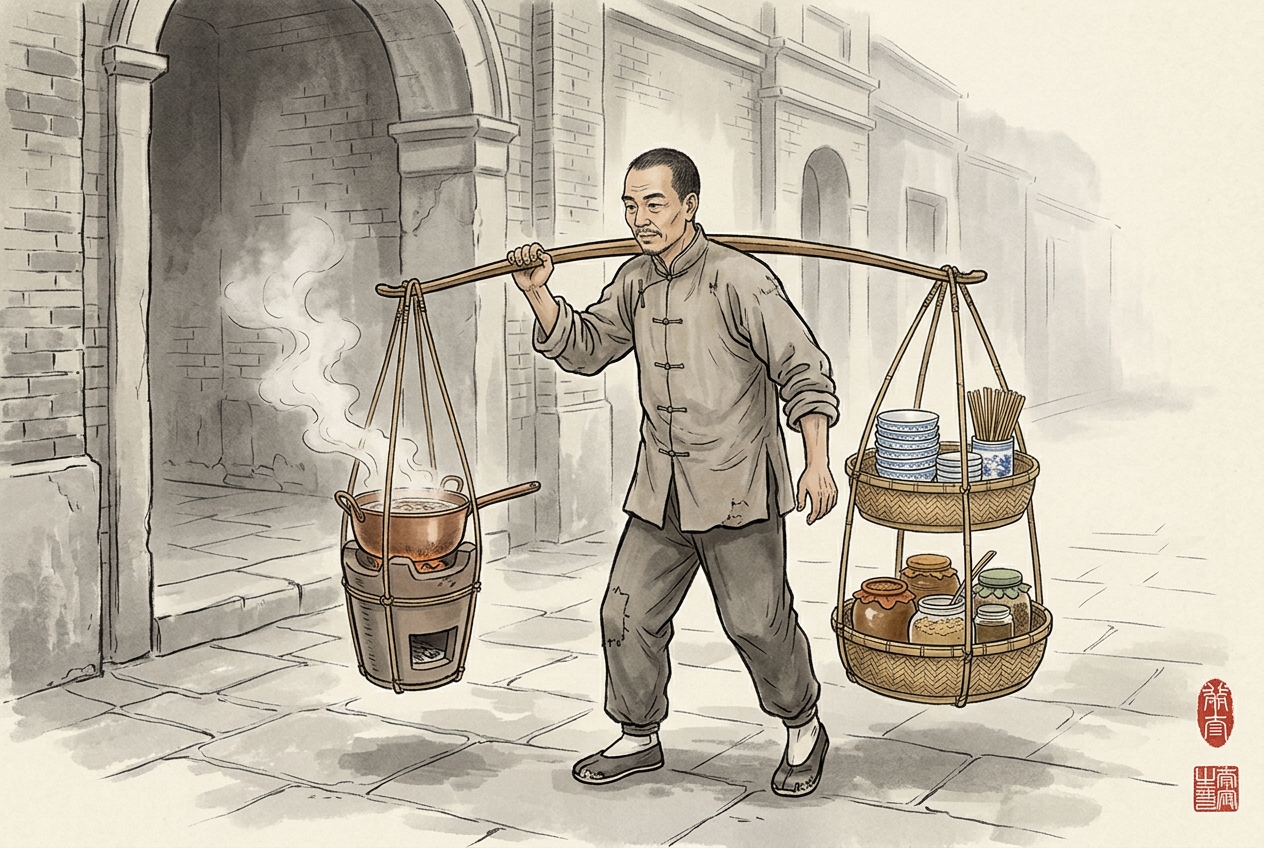
Every great regional dish in China possesses two parallel origin stories: a vivid, serendipitous folk legend polished by generations of teahouse storytellers, and a painstaking trail of incremental craft refinements recorded in municipal ledgers. Wuhan’s Reganmian (Hot Dry Noodles) sits squarely at the crossroads of both traditions. Ask a lifelong resident of Hankou who brought this sesame-cloaked, brothless alkaline noodle into the world, and two names inevitably surface—Li Bao, a humble 1930s street peddler near Guandi Temple on Changdi Street, and Cai Mingwei (1912–1977), a migrant apprentice from Huangpi who founded the storied Cai Lin Ji noodle house on Manchun Road.
Rather than treating these two accounts as mutually exclusive rivals, modern Chinese culinary historians read them as complementary halves of a single urban evolution. One captures the meteorological necessity of preserving fresh wheat noodles in one of China’s fiercest summer “furnace cities”; the other documents how a street survival hack was engineered into an enduring gastronomic canon.
“Beneath the furnace sky of Changdi Street, leftover strands met spilled sesame oil; dipped once more into dawn’s boiling cauldron, their nutty perfume woke ten miles of Hankou wharves.” — Traditional Hankou street ballad
The Folkloric Pulse: Li Bao’s Spilled Sesame Oil on Changdi Street
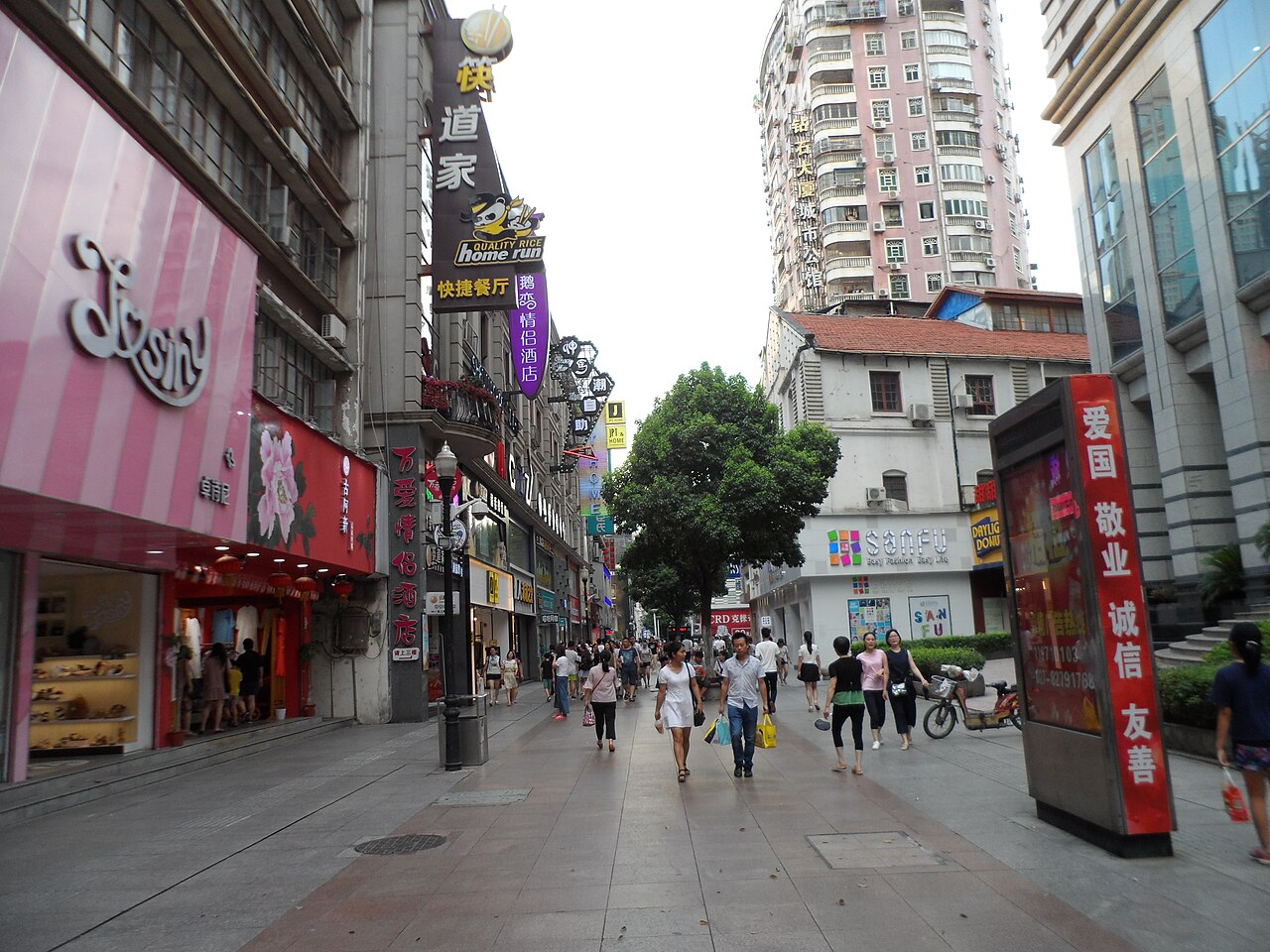
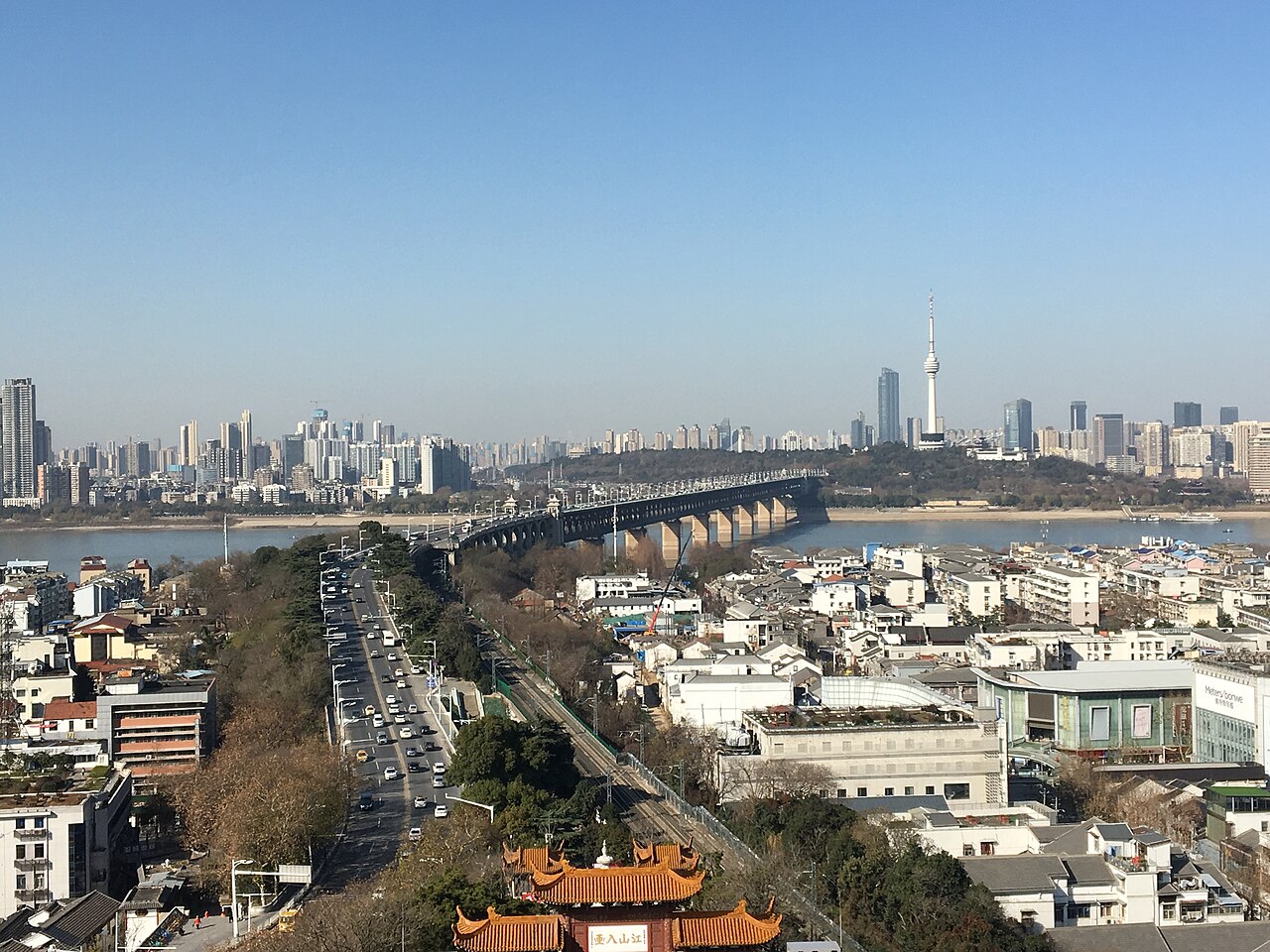
The tale of Li Bao first entered print in mid-twentieth-century collections of Wuhan street lore. Set in the early 1930s along Changdi Street—originally a Ming-dynasty flood embankment that had morphed into Old Hankou’s most densely packed working-class bazaar—the story follows a vendor near Guandi Temple who sold chilled mung-bean jelly (liangfen) and clear-broth cut noodles (tangmian).
During a stifling midsummer afternoon before the era of mechanical refrigeration, a sudden downpour drove customers indoors, leaving Li Bao with a mound of unsold fresh alkaline noodles. Knowing the doughy strands would sour overnight in Wuhan’s 38°C humidity, he parboiled the remaining noodles, drained them, and spread them across his wooden Butcher-block board to cool. In his exhaustion, his elbow clipped a stoneware cruet of small-mill sesame oil (mayou), drenching the noodles. Too thrifty to discard expensive oil, Li Bao tossed the strands thoroughly so every surface glistened, then left them to air-dry until morning.
At daybreak, Li Bao plunged batches of the oil-coated noodles back into boiling water for a few seconds, drained them dry, and dressed them with condiments borrowed from his bean-jelly cart: sesame paste, soy sauce, vinegar, chopped scallions, and diced pickled radish. When the rising steam hit the sesame oil and roasted paste, an intoxicating aroma swept the alley. Dockworkers crowded his pole-cart, devouring every bowl. Asked what this brothless marvel was called, Li Bao reportedly blurted out: “Reganmian!” (Hot Dry Noodles).
From a strictly archival standpoint, no Republican-era police vendor registry, guild roster, or 1930s Hankou newspaper mentions an individual named Li Bao. Food folklorists recognize the narrative as a classic “fortunate mistake” trope. Yet its historical kernel is unmistakable: it preserves the exact neighborhood (Changdi Street), era (early 1930s), and food-safety logic (parboiling alkaline noodles and coating them in lipid film to inhibit microbial spoilage) out of which Reganmian emerged.
The Historical Architect: Cai Mingwei and the Birth of Cai Lin Ji
Where Li Bao belongs to collective oral memory, Cai Mingwei (born April 24, 1912, in Menqianwan, Caizha Township, Huangpi; died 1977) anchors documented culinary history. Arriving in Hankou in the late 1920s as an industrious teenager, Cai initially peddled traditional Huangpi soup noodles from a shoulder pole along Changdi Street and Hanzheng Street.
Observing the frantic morning rhythm of Yangtze and Han River stevedores, Cai identified two structural flaws in soup noodles: raw dough took several minutes to boil during the morning rush, and scalding broth made bowls impossible to carry while walking or crouching on alley stools—while leaving heavy laborers hungry again by mid-morning. Between 1928 and the mid-1930s, Cai systematically re-engineered the bowl through three foundational breakthroughs:
- Codifying the Danmian (Parboiling & Oil-Tossing) Process: Using high-gluten wheat flour kneaded with dietary sodium carbonate (jian), Cai boiled round cut noodles to roughly 80% doneness—retaining a pinprick white core—before fanning them cool and tossing them in oil. This pre-gelatinized structure allowed a 6-to-10-second re-blanch at service time, delivering snappy elasticity without surface mushiness.
- Pioneering the Stone-Ground Sesame Emulsion: Cai elevated sesame paste from a minor garnish into the dish’s structural soul. Selecting plump Hubei white sesame seeds roasted over gentle heat and stone-milled into golden paste, he thinned the paste with aromatic sesame oil (you xie jiang), pairing it with a ten-spice soy braising reduction (lushui), garlic water, and sun-wilted crunchy Huangpi radish dices.
- Establishing Cai Lin Ji & Official Registration: Initially dubbed Majiangmian (sesame paste noodles) by regulars, the dish gained a permanent home around 1945 after World War II, when Cai Mingwei and his younger brother Cai Mingjing leased a shopfront at the Manchun Road intersection near Zhongshan Avenue. Inspired by two lush chinaberry trees standing before the door, they invoked the Chinese idiom “two trees form a forest” (shuang mu cheng lin)—symbolizing both fraternal unity and blessings for Cai’s two young sons—to name the shop Cai Lin Ji (蔡林记). In 1950, during Wuhan’s municipal business and tax registration, Cai’s fifteen-year-old eldest son Cai Hanwen (1935–2017) filled out the official license form and inscribed the three characters 热干面 (Reganmian), cementing its canonical title in state archives.
Comparative Matrix: Folk Legend vs. Archival Lineage
| Analytical Dimension | The Li Bao Narrative (Folkloric Tradition) | The Cai Mingwei Lineage (Archival & Heritage Record) |
|---|---|---|
| Central Figure | Li Bao (itinerant noodle and bean-jelly peddler) | Cai Mingwei (1912–1977, native of Caizha, Huangpi District) |
| Time & Locus | Early 1930s; Guandi Temple on Changdi Street, Hankou | Trials c. 1928–1930s; shop opened 1945 at Manchun Road |
| Original Trade | Chilled mung-bean jelly (liangfen) & clear soup noodles | Huangpi-style soup noodles sold via shoulder-pole stall |
| Technical Catalyst | Accidental spill of sesame oil onto parboiled leftover noodles | Deliberate R&D to speed service and boost caloric density for dockworkers |
| Historical Naming | Spontaneous verbal reply (“Hot Dry Noodles!”) | Known as Majiangmian until 1950 official tax registration as Reganmian |
| Primary Evidence | Post-1950s oral folklore compilations and local essays | 1950 business license, 1955 Zhongshan Ave records, 2011 Provincial ICH dossier |
| Scholarly Verdict | Personifies grassroots summer food-preservation practices | Recognized founder of standardized Reganmian craft and commercial brand |
A Note on Names: Two Characters, One Master
Readers consulting Chinese sources often encounter Cai Mingwei’s name written in two slightly different ways: 蔡明纬 and 蔡明伟. According to family genealogies and testimonies by his eldest son Cai Hanwen—a renowned sculptor educated at the Guangzhou Academy of Fine Arts who devoted his retirement to safeguarding his father’s culinary legacy—the authentic given name is 明纬 (Míngwěi, “bright woof”), forming a classical literary pair with his brother 明经 (Míngjīng, “bright warp”). In pre-1949 Hankou street commerce, however, clerks and sign-painters frequently substituted the simpler homophone 伟 (wěi, “great”). Both spellings endure today as living artifacts of a dish born where classical Chinese kinship met the gritty bustle of the Yangtze wharves.
- Wuhan Municipal Gazetteer: Volume on Commerce (Wuhan University Press, 1990)
- Chronicles of Wuhan Gastronomy (Wuhan Commercial Service College Archival Series)
- Qiaokou District Local Chronicles Office: Textual Research on Changdi Street and Reganmian
- Hubei Provincial Third Batch Intangible Cultural Heritage Dossier (2011) & Oral History of Cai Hanwen
❓ Frequently Asked Questions
Did Li Bao or Cai Mingwei actually invent Wuhan Reganmian?
Culinary historians view the origin through a dual lens: Li Bao's story is an archetypal folk tale symbolizing the collective street practice of tossing parboiled noodles in sesame oil to prevent spoilage during Wuhan's scorching summers. Cai Mingwei (1912–1977), however, is historically verified through tax records, shop lineages, and intangible heritage dossiers as the master artisan who perfected the 'danmian' parboiling method, introduced stone-ground sesame paste, and founded Cai Lin Ji.
What was Reganmian called before 1950?
Throughout the 1930s and 1940s, Hankou locals commonly referred to the dish as 'Majiangmian' (sesame paste noodles) or 'Qiemian' (cut alkaline noodles). The formal name 'Reganmian' (literally 'Hot Dry Noodles') was officially written down in 1950 during Wuhan's post-war commercial registration by Cai Mingwei's fifteen-year-old eldest son, Cai Hanwen.
Why did Cai Mingwei name his flagship noodle shop 'Cai Lin Ji'?
When Cai Mingwei and his younger brother Cai Mingjing opened their first permanent storefront at the intersection of Manchun Road around 1945, two towering chinaberry trees (some oral accounts say cypresses) stood outside the entrance. Combining their surname Cai with the Chinese proverb 'two trees make a forest' (双木成林, Lin) to wish prosperity upon the shop and Cai's two sons, they named the establishment Cai Lin Ji.
✦ Cross-Referenced Chapters
Centennial Chronology (1920s–2020s)
A decade-by-decade timeline from Republican-era wharf stalls and state-private partnerships to heritage status and global exports.
Old Hankou Wharf & Bamboo-Bed Street Roots
How dockworker labor intensity and summer bamboo-bed alleys shaped Reganmian’s brothless, calorie-dense, 10-second format.
Historical Gazettes, Bamboo-Branch Lyrics & Old Press
Archival excerpts from Qing/Republican Hankou poetry, local gazetteers, and early newspaper accounts of sesame alkaline noodles.
Genealogy of Time-Honored Brands & Schools
Mapping the historical splits, apprenticeships, and brand evolutions from Cai Lin Ji to Cai Mingwei, Changqing, and Zeng Mazi.