Genealogy of Time-Honored Brands & Schools
From Cai Lin Ji's Collectivization Twists to Cai Clan Disciples and Cult Street Legends
Mapping the intricate family trees, corporate restructurings, trademark disputes, and culinary schools of Wuhan Reganmian—tracing how 1945 flagship Cai Lin Ji branched alongside founder descendants Cai Mingwei, Changqing Maixiangyuan, Zeng Mazi, and grassroots street champions.
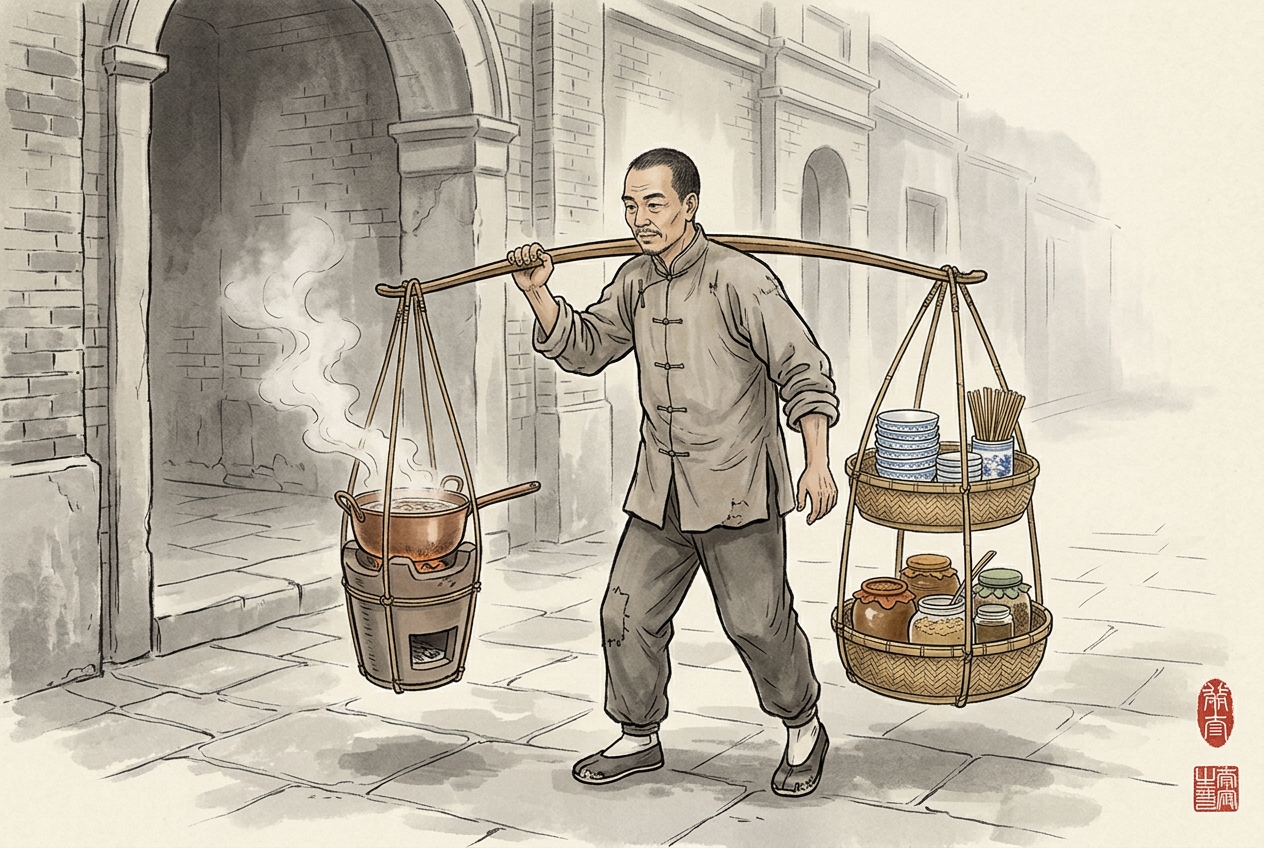
One Trunk, Many Branches: The Fate of Chinese Heritage Brands
Across twentieth-century China, storied culinary houses that navigated 1950s socialist collectivization and 1990s market privatization frequently emerged with a fascinating split identity: the historic shop trademark vested in a restructured modern corporation, while the founder’s descendants carried ancestral kitchen formulas in family memory.
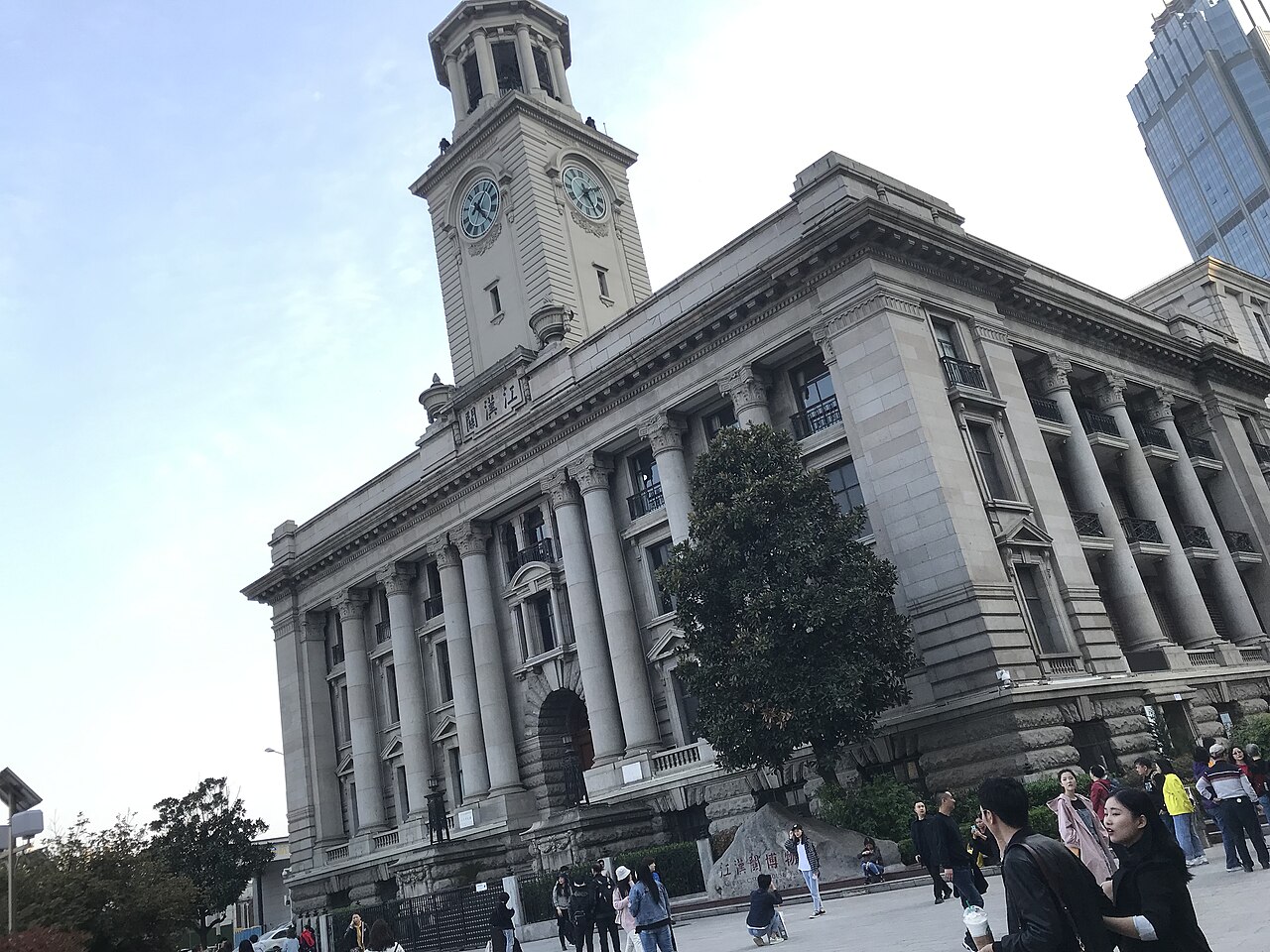
Stroll down Jianghan Road or through Wuhan’s high-speed rail concourses today, and you will spot competing banners—Cai Lin Ji (蔡林记), Cai Mingwei (蔡明纬), Changqing Maixiangyuan (常青麦香园), Zeng Mazi (曾麻子), Luo Shi (罗氏), and Dahankou (大汉口). Far from mere commercial copycats, these signboards form an intricate, century-spanning martial-arts-style genealogy (menpai) rooted in 1945 Hankou.
“Twin chinaberries shared a single root on Manchun Street; era winds scattered their seeds into a hundred morning stalls.” — Modern Hankou culinary proverb
The Ancestral House: Cai Lin Ji’s Three Institutional Lives
Founded in 1945 at Manchun Road by Cai Mingwei and his brother Cai Mingjing, Cai Lin Ji embodies the institutional mainstream of Wuhan Reganmian:
- Family Shop Golden Era (1945–1955): Operating as a front-stall, back-mill family shop before moving in 1955 to prime boulevard real estate opposite the Zhongshan Avenue Water Tower.
- State Collectivization & Nationalization (1956–1994): Merged into a state-private joint enterprise in 1956 and converted into a state-owned firm in 1966 (briefly titled Wuhan Reganmian Restaurant). Restored to its historic name in 1979, it earned the Ministry of Commerce’s prestigious China Time-Honored Brand (Zhonghua Laozihao) plaque, though urban demolitions and rigid state management challenged operations in the early 1990s.
- Corporate Rebirth & Black-Sesame Signature (1995–Present): Restructured into Wuhan Cai Lin Ji Commerce & Trade Co., Ltd., the enterprise retained legal ownership of the Cai Lin Ji trademark and statutory Provincial Intangible Cultural Heritage status (led technically by master inheritor Wang Yongzhong). To distinguish its flagship profile, Cai Lin Ji popularized a deeply aromatic roasted black-sesame paste blend, scaling past 200 modern stores and global retail exports.
The Bloodline Revival: Cai Hanwen and the “Three Yellow-Paste Disciples”
Because the 1956 collectivization and 1995 privatization left the Cai family without equity in Cai Lin Ji Co., founder Cai Mingwei’s eldest son Cai Hanwen (1935–2017)—a Guangzhou-trained sculptor who had personally written “Reganmian” on the 1950 business license—spent his retirement campaigning against cheap peanut-paste adulteration and safeguarding his father’s original 100% pure white-sesame “yellow paste” (huangjiang) formula.
Between 2010 and 2013, Cai Hanwen publicly opened his doors to apprentices and co-founded heritage ventures, giving rise to three major contemporary chains:
- Cai Mingwei (蔡明纬 — The Founder’s Nameake Brand): Co-established around 2013 using the patriarch’s exact personal name to revive 1930s pure white-sesame paste and ten-spice lushui. Its debut sparked high-profile trademark lawsuits with Cai Lin Ji Co. over storefront references to Cai Mingwei’s historical role—ultimately producing a landmark Chinese IP ruling that protected Cai Lin Ji’s trademark against confusion while permitting factual historical attribution.
- Changqing Maixiangyuan (常青麦香园 — The Community Chain Powerhouse): Founded by Cai Hanwen’s final closed-door disciple, Li Yajuan, who married her mentor’s traditional oil-thinned white-sesame formula with modern central-kitchen cold chains, growing into hundreds of neighborhood breakfast outlets across Wuhan.
- Zeng Mazi (曾麻子 — The Traditionalist Disciple Brand): Launched by another core apprentice inducted during Cai Hanwen’s public transmission drive, prized for robust alkaline chew and classic heavy sesame coating.
The Independent Street Vanguard: Grassroots Masters & Retail Pioneers
Beyond the Cai corporate-and-clan binary, post-1978 entrepreneurship birthed fiercely independent Wuhan schools that answer only to neighborhood regulars:
- The Raw-Blanched Beef School (Led by Luo Shi): Originating on Hanyang’s Meigui Street, Luo Shi Regan Beef Noodles revolutionized the bowl by crowning classic sesame noodles with thin-sliced fresh beef and tripe blanched in rolling bone broth—sweeping citywide blind-tasting championships.
- Single-Alley Cult Icons (Changzi, Zhao Shifu, Xiaoqiu): Family shops that shun franchising, guarding decades-old pepper-soy lushui pots or pairing Reganmian with youbing bao shaomai (fried dough-wrapped peppery shaomai).
- The Packaged Industrial School (Dahankou): Pioneering dehydrated non-fried alkaline noodles since the late 1990s to put Wuhan Reganmian into supermarkets across five continents.
Master Genealogy & Flavor Matrix of Major Schools
| Lineage School | Representative Brands | Historical & Pedagogical Origin | Signature Paste & Flavor Style | Core Footprint |
|---|---|---|---|---|
| Time-Honored Corporate | Cai Lin Ji | 1945 Manchun Rd → 1956 state merger → 1995 corp; Wang Yongzhong ICH line | Dark roasted black-sesame blend; glossy, balanced savory-sweet | Cultural landmarks, rail/air hubs, global retail packs |
| Founder Namesake Clan | Cai Mingwei | Co-founded c. 2013 with eldest son Cai Hanwen honoring patriarch’s name | Stone-ground white-sesame yellow paste; aromatic 10-spice lushui | Urban malls, residential boulevards, fresh-lock e-commerce |
| Clan Disciple Chains | Changqing Maixiangyuan, Zeng Mazi | 3rd-gen apprentices publicly trained by Cai Hanwen (2010–2012) | Smooth oil-thinned white-sesame paste; crisp standardized SOP | High-density residential communities & office districts |
| Independent Cult Street | Luo Shi, Changzi, Zhao Shifu | Grassroots neighborhood masters (1980s–2010s); contest champions | Pure white or 80/20 sesame-peanut blend; bold chili oil & blanched beef | Historic food alleys (Meigui St, Liangdao St, Shanhaiguan Rd) |
| Retail Food-Tech | Dahankou | Late-1990s industrial food engineering pioneers | Air-dried non-fried alkaline cakes + concentrated sesame sachets | Supermarkets, convenience chains, overseas Asian grocers |
Far from diluting tradition, the rivalry between black paste and yellow paste, corporate flagship and alley cauldron, keeps every shop in Wuhan honest—because in this city, pedigree may win a first visit, but only six seconds of perfection wins tomorrow morning’s bowl.
- Archives of China Time-Honored Brands: Hubei Volume (China Commerce Press)
- Supreme People's Court & People's Daily IP Case Reports: Cai Lin Ji vs. Cai Mingwei Heritage Litigation
- Jingchu Net: 'In Memoriam Cai Hanwen (1935–2017): Passing the Torch of Authentic Reganmian'
- Wuhan Municipal Gazetteer: Commerce Volume & Wuhan Catering Association Annual Reports
❓ Frequently Asked Questions
What is the difference between the 'Cai Lin Ji' and 'Cai Mingwei' noodle chains in Wuhan?
Both trace back to founder Cai Mingwei (1912–1977). 'Cai Lin Ji' is the historic 1945 shop brand that passed through 1956 state-private collectivization and 1995 corporate privatization into Wuhan Cai Lin Ji Commerce & Trade Co., famous today for its signature dark black-sesame paste. 'Cai Mingwei' was co-founded around 2013 by the founder's eldest son, Cai Hanwen, using his father's personal name to champion the family's original golden white-sesame paste.
How are Changqing Maixiangyuan and Zeng Mazi connected to the original Cai family?
Around 2010, fearing his father's traditional home recipe might vanish, Cai Hanwen broke with secretive guild custom and publicly accepted apprentices. Li Yajuan (founder of the massive community chain Changqing Maixiangyuan) and the founders of Zeng Mazi studied directly under Cai Hanwen as third-generation lineage disciples.
Are all top Reganmian shops in Wuhan descended from the Cai lineage?
Not at all. Alongside the heritage chains thrives a vibrant 'Grassroots Street School' born in the 1980s–2000s—led by neighborhood icons like Luo Shi (famed for pairing raw-blanched tender beef with Reganmian), Changzi, and Zhao Shifu, plus packaged-noodle pioneer Dahankou.
✦ Cross-Referenced Chapters
Origin Legends: Li Bao & Cai Mingwei Textual Inquiry
Investigating the two foundational 1930s Hankou accounts—street peddler Li Bao on Changdi Street and Cai Mingwei’s Cai Lin Ji.
Intangible Cultural Heritage Dossier & Lineage
Official Hubei provincial heritage classifications, master inheritor lineages, and traditional craft preservation standards.
Flagship Heritage Brands: Cai Lin Ji, Cai Mingwei & Changqing
Detailed profiles of Wuhan’s historic benchmark chains, flagship locations on Jiqing Street, and signature flavor profiles.
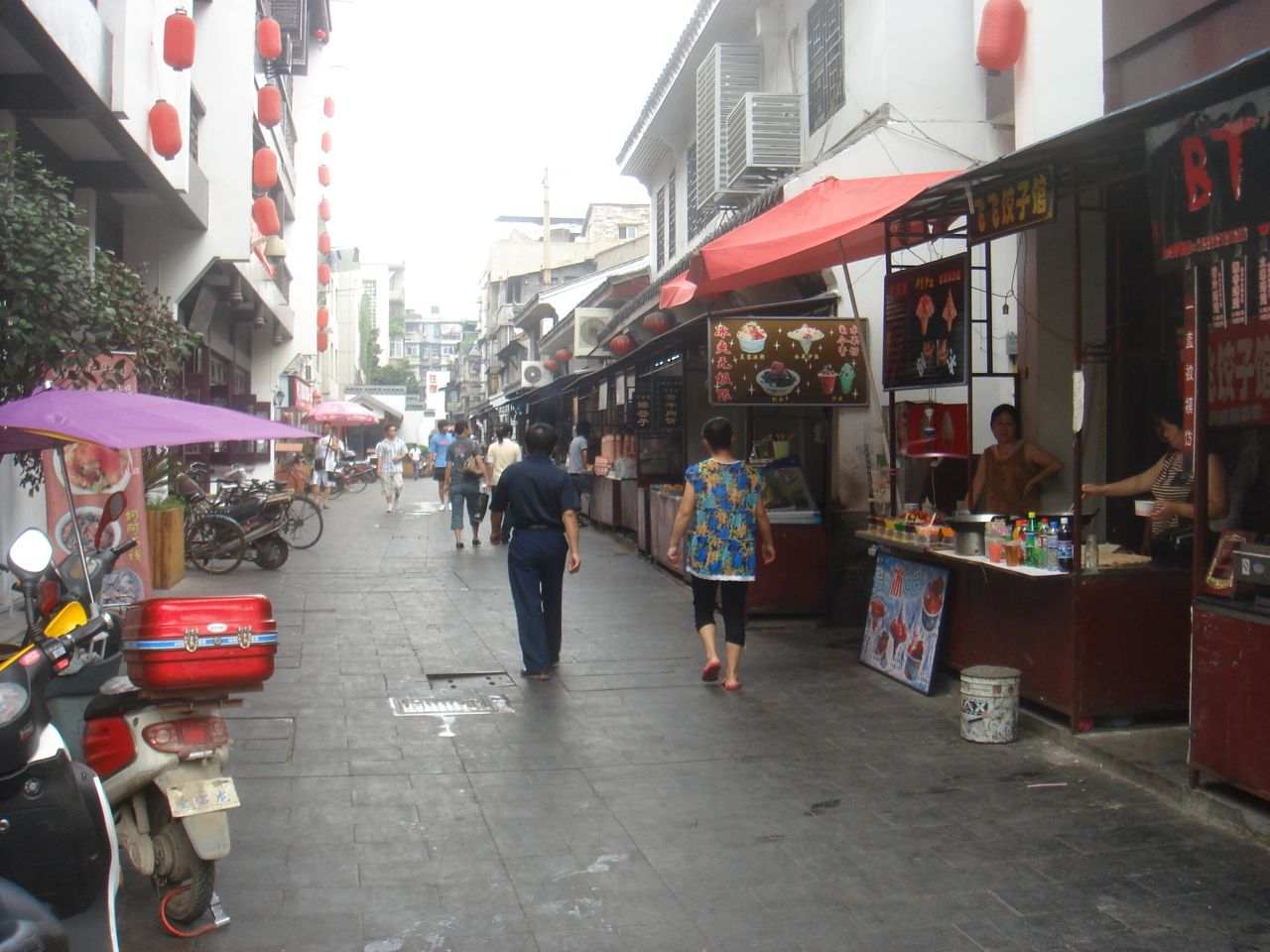
Cult Neighborhood Stalls Across Hankou, Wuchang & Hanyang
An insider’s dossier on beloved alley shops—Luo Shi Raw-Blanched Beef, Zhao Shifu Oil-Pie & Reganmian, Changzi, and Xiaoqiu.