Crowned First Among China’s Top Ten Noodles
Inside the 2013 Hangzhou National Evaluation That Named Wuhan Reganmian China's Premier Noodle
The complete story behind the June 2013 'China's Top Ten Noodles' evaluation in Hangzhou—co-hosted by Ministry of Commerce bodies and the China Hospitality Association—examining all ten winners, judging criteria, public debates, and why Wuhan Reganmian claimed the #1 spot.
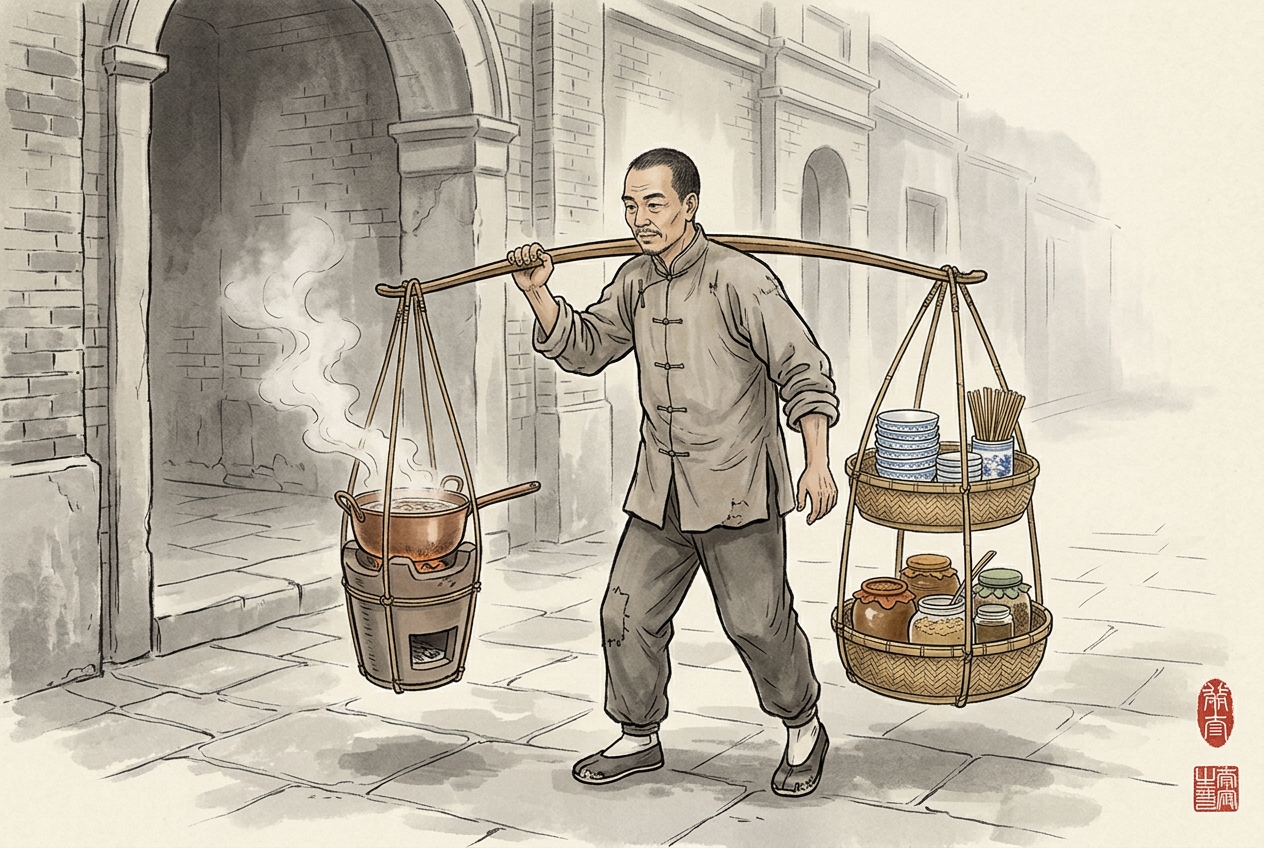
Showdown by West Lake: China’s First Official Noodle Ranking
Across China’s vast agricultural tapestry, regional wheat, buckwheat, and rice noodles number well over a thousand distinct styles. For generations, Chinese diners casually spoke of “Five Great Noodles”—Beijing Zhajiangmian, Shanxi knife-shaved noodles, Lanzhou hand-pulled beef noodles, Sichuan Dandanmian, and Wuhan Reganmian—yet no national trade authority had ever convened a formal evaluation to rank them.
That changed in late June 2013, when agencies under China’s Ministry of Commerce joined the China Hospitality Association (Zhongguo Fandian Xiehui) in Hangzhou to stage the Second China Hotel Culture Festival & First China Noodle Culture Festival. Following months of municipal nominations, millions of online public ballots, and blind sensory scoring by national culinary masters, organizers unveiled the inaugural “China’s Top Ten Noodles” (Zhongguo Shida Miantiao) roster. Standing at #1 overall was Wuhan Reganmian.
“Northern blades shave willow leaves, western hands pull silver threads; yet when Qiantang crowned the realm’s first bowl, Wuhan’s golden sesame stood ahead.” — Commemorative verse from the 2013 Hubei culinary delegation
Inside the Judging Rubric and the Complete Top Ten Roster
Rather than judging flavor in isolation, the Hangzhou panel evaluated nearly one hundred regional contenders across five weighted dimensions:
- Historical & Cultural Depth (20%): Documented centennial origins, gazetteer records, and integration into local folk customs;
- Craft Originality (25%): Distinctiveness of dough chemistry, shaping, cooking mechanics, and sauce architecture;
- Mass Daily Consumption (25%): Store density, daily bowl volume, and habitual everyday frequency among ordinary citizens;
- Brand & Heritage Stewardship (15%): Recognition as China Time-Honored Brands (Zhonghua Laozihao) and Municipal/Provincial Intangible Cultural Heritage;
- Industrialization & Supply-Chain Potential (15%): Feasibility of standardized chain operations and retail packaged formats.
Represented by Hubei’s culinary association and provincial ICH inheritors, Wuhan’s delegation demonstrated live six-second bamboo-basket blanching and stone-milled sesame emulsification on stage, earning top composite marks across both public ballots and expert scorecards.
Official 2013 “China’s Top Ten Noodles” Master Table
| Rank | Noodle Name | Origin | Strand & Broth Format | Signature Flavor Profile |
|---|---|---|---|---|
| #1 | Wuhan Reganmian | Wuhan, Hubei | Round alkaline · Brothless dry toss (danmian) | Stone-ground sesame paste, 10-spice soy lushui, crunchy radish |
| #2 | Beijing Zhajiangmian | Beijing | Hand-cut / pulled wheat · Dry toss with raw veg | Fermented yellow soybean paste fried with diced pork belly |
| #3 | Shanxi Daoxiaomian | Datong / Taiyuan, Shanxi | Three-edged knife-shaved · Savory broth or saozi | Crisp-edged chew, aged Shanxi black vinegar, braised pork/mutton |
| #4 | Lanzhou Beef Noodles | Lanzhou, Gansu | Penghui alkaline hand-pulled · Clear beef bouillon | Radish slices, ruby chili oil, cilantro, garlic苗 (“One Clear, Two White…”) |
| #5 | Sichuan Dandanmian | Zigong / Chengdu, Sichuan | Thin alkaline · Scant chili-oil sauce | Crisp minced pork, Yibin preserved芽菜, numbing Sichuan pepper |
| #6 | Henan Xiaoji Huimian | Zhengzhou, Henan | Hand-stretched wide ribbons · Milky mutton bone soup | Lamb stock, kelp knots, tofu skin, glass noodles, wolfberries |
| #7 | Hangzhou Pian’erchuan | Hangzhou, Zhejiang | Flat narrow fresh wheat · Lard-simmered light broth | Pickled potherb mustard (xuecai), sliced winter bamboo shoots, pork |
| #8 | Kunshan Aozaomian | Kunshan, Jiangsu | Ultra-fine white strands · Red鱼soy or white duck stock | Crisp spiced fried carp (baoyu) & slow-braised pork belly |
| #9 | Zhenjiang Guogaimian | Zhenjiang, Jiangsu | Bamboo-pole bounced (tiaomian) · Cedar lid boiled in pot | Shrimp-roe sweet soy reduction, bouncy alkaline texture |
| #10 | Jilin Yanji Cold Noodles | Yanbian, Jilin | Buckwheat-starch extruded · Icy sweet-tart beef broth | Slushy chilled beef consommé, kimchi, Asian pear, boiled egg |
The Viral “Noodle Wars” and Why #1 Held Firm
Within hours of publication by People’s Daily and state broadcasters, the list ignited one of Chinese social media’s most spirited food debates. Two flashpoints dominated commentary: first, Shaanxi Province—famed for Qishan Saozimian, belt-wide Biangbiangmian, and sizzling oil-splashed noodles—and Chongqing Xiaomian were startlingly absent; second, three delicate Jiangnan soup noodles from host Zhejiang and neighboring Jiangsu claimed spots #7 through #9, while Henan’s entry carried a specific corporate prefix (Xiaoji).
Organizers promptly clarified the procedural mechanics: eligibility required formal dossier submission by municipal industry associations or qualifying heritage enterprises, and several western noodle strongholds had either bypassed the inaugural trade festival or fragmented votes across too many local sub-varieties.
Yet amid fierce regional banter over the lower half of the table, Wuhan Reganmian’s #1 crown proved remarkably resilient. Food critics pointed out a sociological reality unmatched anywhere else in China: while Lanzhou beef noodles conquered highway storefronts nationwide, no other provincial capital of ten million people wakes up every morning with roughly 70–80% of its breakfast-eating population reaching for the exact same local bowl across 20,000 neighborhood stalls.
Lasting Impact: Catalyzing Standards, Tourism, and Retail
Winning the 2013 national crown triggered concrete institutional momentum back home in Hubei:
- Statutory Quality Standards (2014): Within twelve months, Hubei enacted DBS42/005-2014, China’s first mandatory provincial food-safety standard dedicated to a regional dry-tossed noodle, protecting pure sesame ratios and alkaline quality.
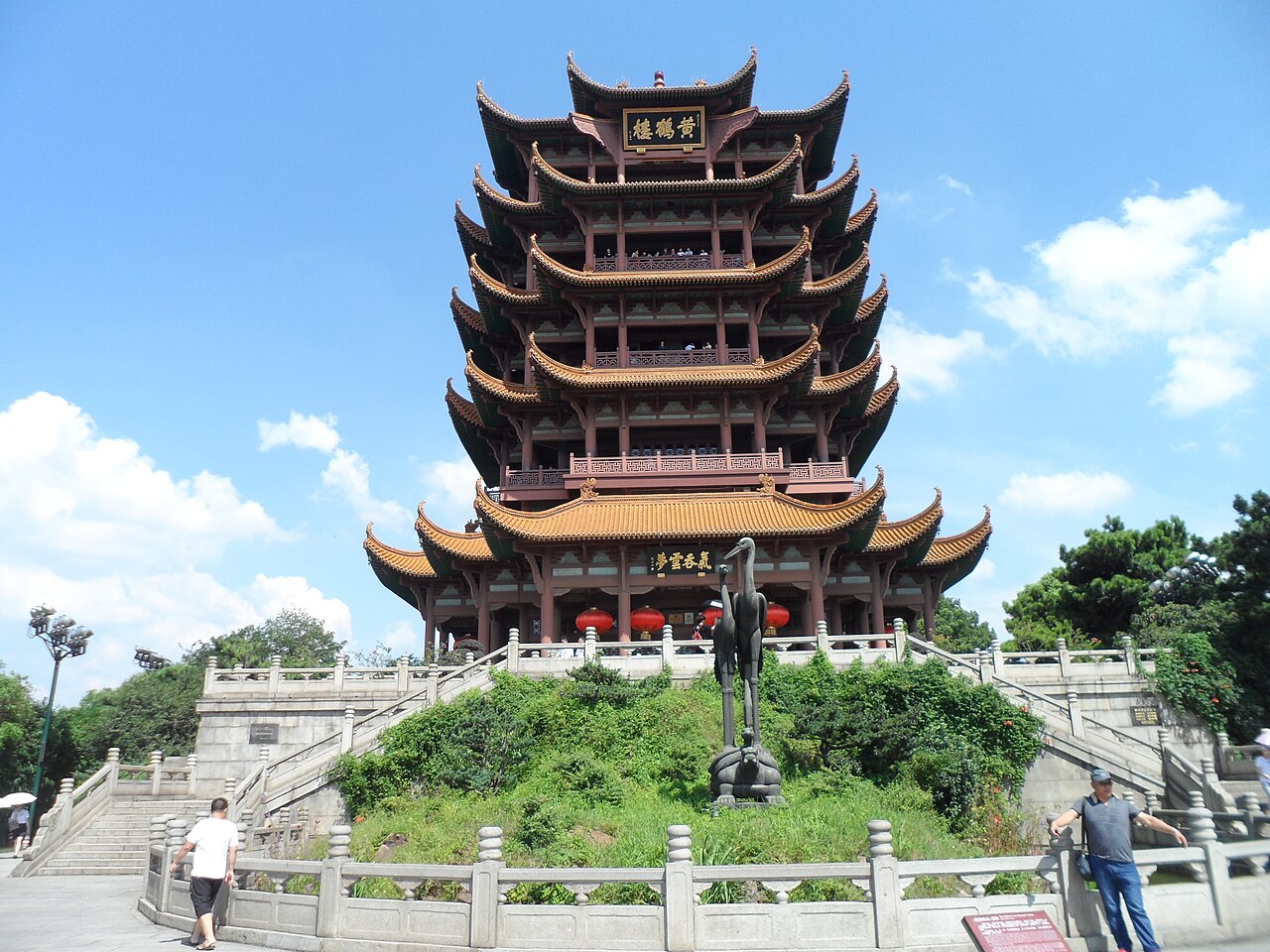
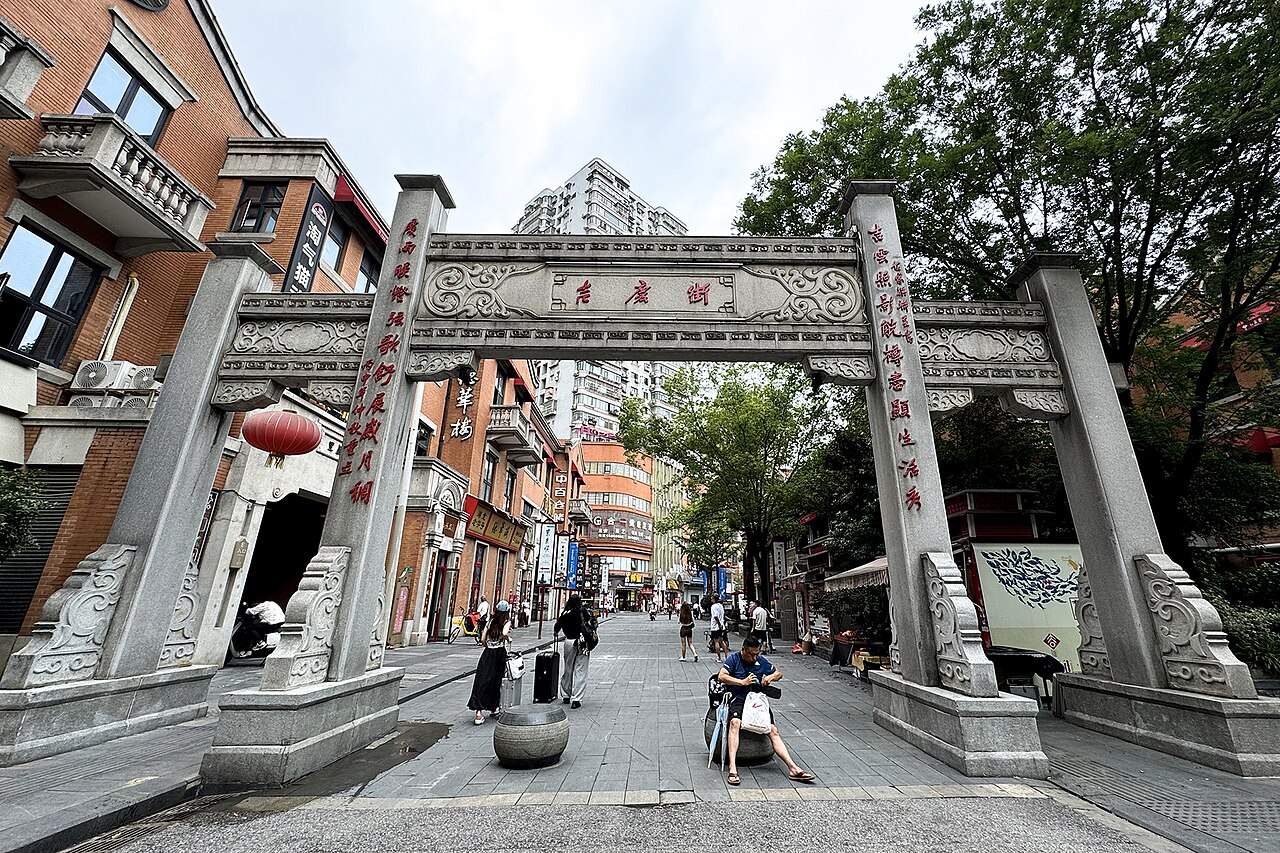
- High-Speed Rail Gastronomy: Branded nationwide as “First Among China’s Top Ten Noodles,” Reganmian became the centerpiece of Wuhan’s cultural tourism boom along Hubu Alley, Jiqing Street, and Liangdao Street.
- Multi-Billion-Yuan Retail Scale: National prestige attracted modern food-engineering investment into non-fried air-dried and pasteurized semi-fresh noodle lines, propelling Wuhan’s humble wharf classic onto grocery shelves worldwide.
- People's Daily Online: 'China's Top Ten Noodles Announced: Wuhan Reganmian Tops List Amid Lively Debate' (July 2013)
- China Economic Net: 'First China Noodle Culture Festival Concludes in Hangzhou' (June 2013)
- China Hospitality Association: Official Evaluation Communiqué of the 1st China Noodle Culture Festival (2013)
- Hubei Provincial Culinary & Hotel Industry Association Archival Delegation Records
❓ Frequently Asked Questions
What were all ten dishes named to the official 2013 'China's Top Ten Noodles' list?
In official order: 1. Wuhan Reganmian (Hot Dry Noodles), 2. Beijing Zhajiangmian, 3. Shanxi Daoxiaomian (Knife-Shaved Noodles), 4. Lanzhou Beef Hand-Pulled Noodles, 5. Sichuan Dandanmian, 6. Henan Xiaoji Huimian (Braised Mutton Noodles), 7. Hangzhou Pian'erchuan, 8. Kunshan Aozaomian, 9. Zhenjiang Guogaimian (Pot-Lid Noodles), and 10. Jilin Yanji Cold Noodles.
Why were famous noodle powerhouses like Shaanxi and Chongqing absent from the 2013 list?
According to post-event clarifications by the China Hospitality Association, candidates had to be formally nominated by municipal culinary associations or heritage enterprises before advancing to public online voting and master-chef tastings. Several western provinces either did not submit unified institutional nominations that year or split votes among dozens of local noodle styles.
What set Wuhan Reganmian apart to win first place?
Judges weighed five criteria: historical lineage, craft originality, daily mass consumption, heritage protection, and industrial scalability. Reganmian stood alone in combining a unique brothless alkaline-sesame emulsion, provincial ICH status, over 20,000 active shops serving millions of bowls every single morning, and rapid packaged-food potential.
✦ Cross-Referenced Chapters
Centennial Chronology (1920s–2020s)
A decade-by-decade timeline from Republican-era wharf stalls and state-private partnerships to heritage status and global exports.
Intangible Cultural Heritage Dossier & Lineage
Official Hubei provincial heritage classifications, master inheritor lineages, and traditional craft preservation standards.
Panoramic Matrix: Comparing All Ten of China’s Famous Noodles
Side-by-side structural comparison against Shanxi knife-cut, Sichuan Dandan, Beijing Zhajiang, Lanzhou beef, and Henan braised noodles.
China’s Sesame-Sauce Noodle Lineage: Hot, Chilled & Tossed
Contrasting Wuhan’s hot oil-emulsified alkaline strands with Beijing chilled sesame noodles, Sichuan Liangmian, and Shaxian peanut noodles.