Wuhan Marathon Supply Stations & Reganmian Cultural Festivals
Fueling 40,000 Runners Beneath Cherry Blossoms with Miniature Bowls of Sesame Noodles
Inside one of world road-racing's most beloved culinary traditions: how the Wuhan Marathon ('Hanma') serves tens of thousands of miniature freshly blanched Reganmian cups along its cherry-blossom course, paired with citywide Reganmian Cultural Festivals and blind-tasting championships.
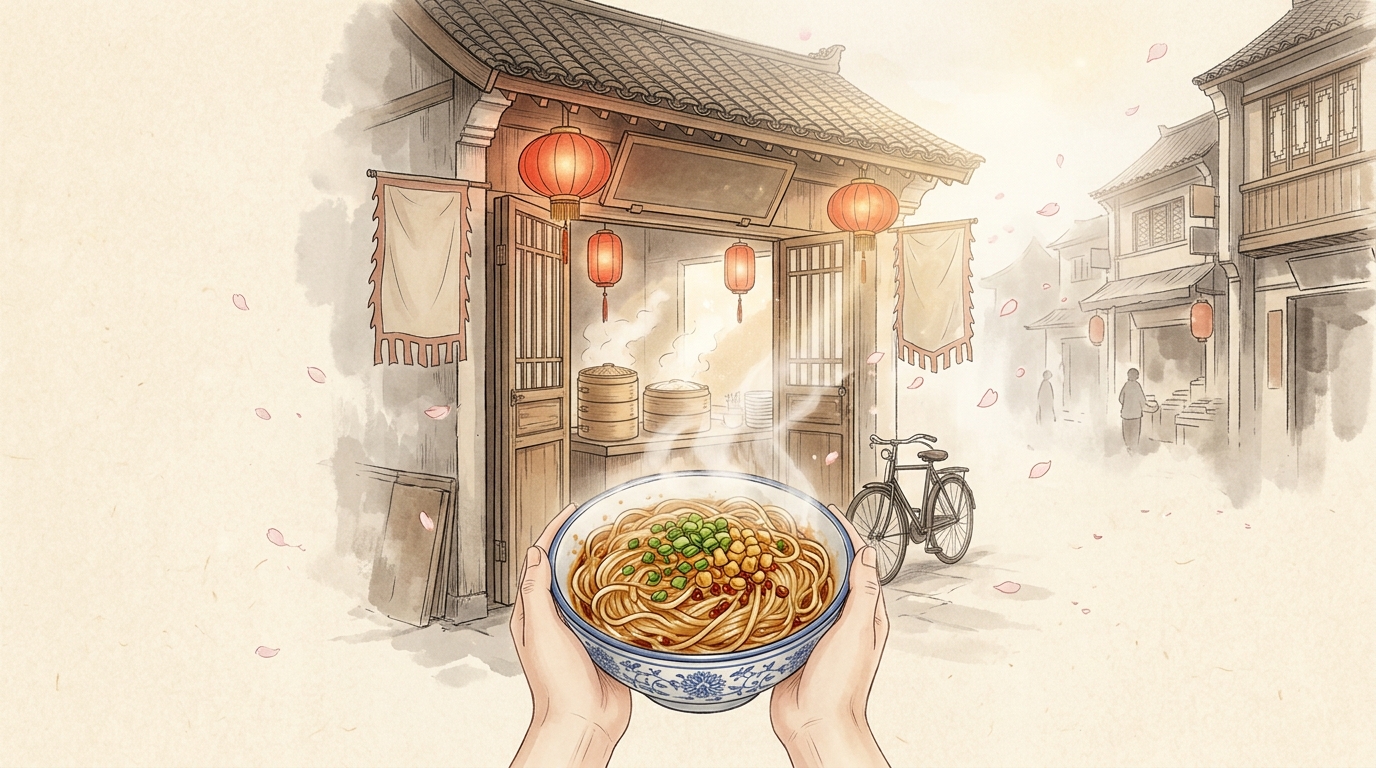
Worth Sacrificing a Personal Best: The World’s Most Fragrant Race Course
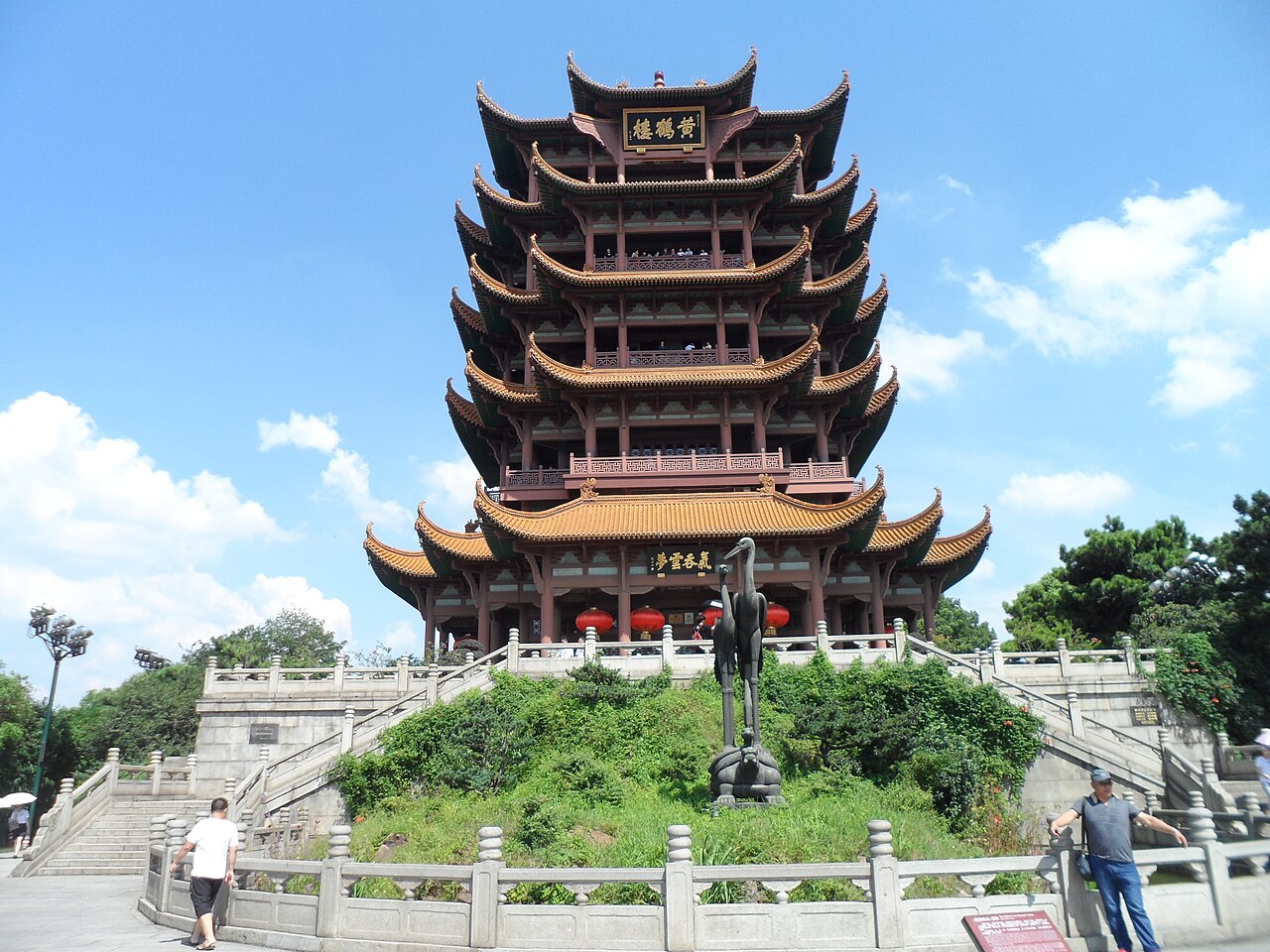
Since its inaugural gun on April 10, 2016, the Wuhan Marathon—affectionately known across China as Hanma—has earned cult status among global distance runners. Held each March when hundreds of thousands of cherry trees burst into pink-and-white bloom, its 42.195-kilometer route carries 40,000 runners past century-old Hankou riverfront architecture, across the towering steel deck of the First Yangtze River Bridge, beneath the upturned eaves of Yellow Crane Tower, and deep into the jade expanse of East Lake Greenway.
Yet ask finishers from Beijing, Tokyo, London, or Boston what moment on the Hanma course made them grin widest, and the answer is rarely a scenic overlook. It is the unmistakable, nutty perfume of roasted white sesame drifting across the asphalt mid-race—heralding Wuhan’s legendary Reganmian Supply Station.
Standard international marathon logistics worship efficiency: clinical packets of energy gel, quartered bananas, and paper cups of isotonic drink snatched at full stride. Wuhanese hospitality found that menu intolerably austere. How could forty thousand guests run across all Three Towns at breakfast hour without experiencing Guozao? Partnering with time-honored local champions Cai Lin Ji and Changqing Maixiangyuan, organizers installed live boiling cauldrons along the course’s specialty food zones (as well as expansive post-race recovery pavilions). Every year, viral race videos capture serious amateur marathoners—eyes locked on GPS watches as they chase a sub-three-hour Personal Best—suddenly braking hard at the sight of steaming bamboo strainers, happily trading thirty seconds on the clock for two fragrant mouthfuls of hot sesame noodles.
“Across the Yangtze Bridge in a shower of cherry petals, forty thousand footsteps drum—until the scent of stone-ground sesame brings the fastest runners to a joyful halt.”
Culinary Ergonomics: Engineering the 35-Gram “Two-Bite Cup”
Serving brothless sesame noodles to runners with elevated heart rates and dry mouths is no trivial culinary feat; hand an exhausted athlete at Kilometer 25 a dense, street-strength 180-gram bowl, and chewing becomes a workout of its own. Over successive editions of Hanma, heritage noodle masters and sports-nutrition advisors refined a bespoke race-course formula:
- Micro-Portion Calibration: Volunteers portion exactly 30 to 40 grams of parboiled alkaline strands into palm-sized paper tasting cups—two brisk chopstick lifts that can be eaten in fifteen seconds without breaking rhythm.
- Low-Viscosity Emulsion Tuning: Whereas neighborhood purists prize thick, clinging sesame paste, race-day chefs whisk extra small-mill sesame oil and warm ten-spice soy broth into the paste beforehand. Reducing viscosity by roughly a third ensures every strand slides smoothly down the throat with minimal tossing.
- Electrolyte & Hydration Pairing: Tart dices of sun-wilted Huangpi radish and savory soy broth deliver a welcome hit of sodium to counteract sweat loss and muscle cramping, while adjacent hydration tables allow runners to chase the savory bite immediately with water or sports drink.
Beyond the finish line—and tucked inside every runner’s commemorative finisher bag—Reganmian shifts roles from mid-race morale booster to glycogen recovery feast. Consuming freshly blanched alkaline wheat paired with protein- and calcium-dense sesame paste within thirty minutes of crossing the tape replenishes depleted muscle glycogen stores far more memorably than any synthetic recovery shake, while shelf-stable fresh-lock noodle boxes travel home in forty thousand suitcases as edible race medals.
| Event / Venue Context | Portion & Culinary Format | Functional Role | Urban Cultural Impact |
|---|---|---|---|
| Mid-Course Hanma Stations | 30–40g mini paper cups; silky low-viscosity paste | Quick complex carbs, sodium & psychological lift | Viral signature defining China’s most hospitable marathon |
| Finish-Line Recovery Zone | Full freshly blanched bowls + takeaway gift packs | Post-race glycogen replenishment & edible souvenir | Turns 40,000 global runners into ambassadors for Wuhan cuisine |
| Wuhan Reganmian Festival | Blind-tasting finals, master cauldrons & merch stalls | Craft benchmarking, official noodle maps & civic festivity | Elevates everyday street craft into a citywide celebration |
| Spring Blossom Synergy | Cherry-blossom limited editions & Sports Food Week | Links flower parks, historic alley walks & race weekend | Anchors Wuhan’s signature spring cultural-tourism season |
Clash of the Masters: Inside the Wuhan Reganmian Cultural Festival
The marathon’s culinary exuberance flows directly into—and often overlaps with—the Wuhan Reganmian Cultural Festival (frequently co-staged with the Hanma Food & Lifestyle Fair and the Wuhan International Chu Cuisine Festival).
What began as local promotional gatherings in the 2010s has matured into a marquee civic institution celebrating both industrial innovation and neighborhood craftsmanship:
- Blind-Tasting Championships: In the festival’s centerpiece competition, flagship chains stand shoulder-to-shoulder with fiercely loved husband-and-wife neighborhood stalls nominated by tens of thousands of online voters. Behind numbered screens, culinary judges evaluate strand elasticity (jindao), pure sesame aroma, oil-water emulsion sheen, and pickled-radish crunch. Earning a spot on the official “Top Ten Championship Roll” guarantees hundred-meter morning queues back in the winner’s home alley.
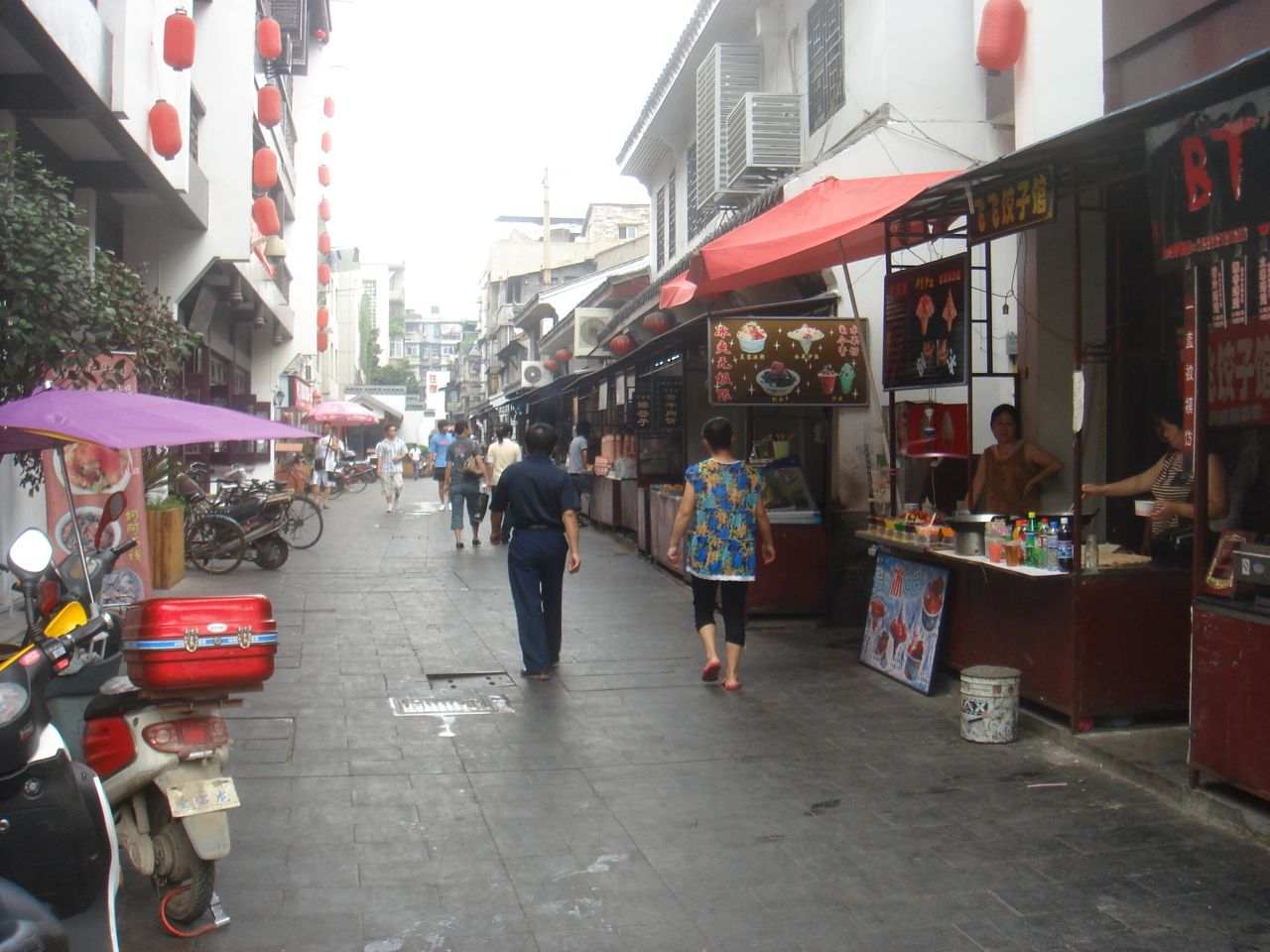
- Updated Tasting Maps & Citywalk Vouchers: Each festival edition unveils illustrated Three Towns Reganmian Maps, linking historic breakfast corridors like Shanhaiguan Road, Liangdao Street, and Dacheng Road with digital dining vouchers for visiting tourists.
- Living Heritage Workshops: Families gather around traditional stone hand-mills and miniature blanching stations where children grind roasted Hubei white sesame seeds from scratch—discovering the labor and food science hidden inside their everyday five-yuan breakfast.
Every March, when pink blossoms drift into East Lake, marathon starters’ pistols echo across the Hankou bund, and festival cauldrons send white plumes skyward, Wuhan weaves one flower, one race, and one steaming bowl into an unmistakable celebration of urban vitality.
- Wuhan Municipal Government Portal: '40,000 Runners Gather in the River City as Steaming Reganmian Perfumes the Marathon Course'
- Hubei Provincial Government Portal: 'Run Hanma, Admire Blossoms, Savor Chu Cuisine: Spring Sports-Tourism Synergy'
- China National Radio (CNR): 'Hanma Food Fair & Wuhan Reganmian Festival Welcomes Global Runners with Century-Old Flavors'
- Wuhan Marathon Organizing Committee: Official Runner Guides & Course Nutrition Manuals (2016–2025)
❓ Frequently Asked Questions
Isn't rich sesame paste too thick to swallow mid-marathon? How are the race-course bowls adapted?
Instead of full 160-gram street portions, Wuhan Marathon stations serve 30–40 gram 'two-bite cups.' Chefs thin the stone-ground sesame paste with a touch more aromatic sesame oil and savory spiced broth so it glides down effortlessly, positioning the noodle tables right beside water and electrolyte stations.
Why does Reganmian work surprisingly well as endurance race fuel and post-race recovery food?
During the second half of a 42.195 km marathon, runners face glycogen depletion and heavy sodium loss through sweat. High-gluten alkaline noodles deliver rapid-yet-sustained complex carbohydrates, spiced soy broth and pickled radish replenish sodium, and full-sized post-race bowls provide calcium and plant protein during the 30-minute glycogen recovery window.
What happens during the annual Wuhan Reganmian Cultural Festival?
Timed alongside spring cherry-blossom season, Sports Consumption Week, or autumn Chu Cuisine expos, the festival features citywide blind-tasting championships pitting heritage chains against neighborhood 'hidden masters,' updated Three Towns noodle trail maps, stone-milling workshops, and cultural merch markets.
✦ Cross-Referenced Chapters
Flagship Heritage Brands: Cai Lin Ji, Cai Mingwei & Changqing
Detailed profiles of Wuhan’s historic benchmark chains, flagship locations on Jiqing Street, and signature flavor profiles.
Hall of Champions: Wuhan Reganmian Competition Winners
Archiving top-ten winners from official Wuhan culinary competitions and blind-tasting community leaderboards.
Caloric & Macronutrient Breakdown by Component
Exact kilocalorie, carbohydrate, protein, lipid, and sodium tables for standard 2-liang plain and beef-topped bowls.
Guidance for Special Diets & Allergen Warnings
Tailored advice for endurance athletes, sensitive stomachs, sodium-restricted diets, and sesame/peanut/gluten allergies.